
Blog Posts

Legal Challenges in Cryptocurrency and Blockchain: Exploring the Evolving Legal Landscape
The rise of cryptocurrencies and blockchain technology has revolutionized the financial world, but it has also brought about a series of complex legal challenges. As more businesses and individuals adopt digital currencies and decentralized systems, governments and regulatory bodies are ...

ADR in Workplace Conflicts: A Guide for Employers and Employees
Workplace conflicts are inevitable. Whether stemming from miscommunication, differences in expectations, or interpersonal issues, they can disrupt the professional environment and affect productivity. For both employers and employees, finding a way to resolve these conflicts quickly, fairly, and cost-effectively is ...
International Arbitration: Navigating Cross-Border Disputes with ADR
As global business transactions increase, so do the risks of cross-border disputes. When parties from different countries find themselves in conflict, traditional litigation can be slow, costly, and fraught with jurisdictional complexities. This is where Alternative Dispute Resolution (ADR)—specifically, international ...
ADR in Family Law: Benefits and Challenges
Alternative Dispute Resolution (ADR) has become a pivotal tool in family law, offering a way to resolve disputes without the need for contentious court battles. At Eos Chambers, we've observed the growing reliance on ADR methods such as mediation, arbitration, ...
Empowering Dispute Resolution: How Technology is Shaping the Future of ADR
🎯 The Role of Technology in Enhancing ADR Processes The advent of technology has transformed virtually every industry, and the field of Alternative Dispute Resolution (ADR) is no exception. ADR processes, including mediation, arbitration, and negotiation, have traditionally relied on ...
🤝 Mediation vs. Arbitration: Choosing the Right Path in ADR ⚖️
Alternative Dispute Resolution (ADR) has become an increasingly popular method for resolving disputes outside of traditional court litigation. Among the various ADR methods, mediation and arbitration stand out as two of the most commonly used approaches. While both aim to ...

36-48 Hours Shifts For Resident Doctors Inhuman: Supreme Court Asks NTF To Address Concerns On Duty Hours
During the Suo Motu hearing of the RG Kar Hospital Rape-Murder today, the Supreme Court expressed its worries over the 'inhuman working hours' of resident doctors all over the country. The bench comprising Chief Justice of India DY Chandrachud, Justices ...
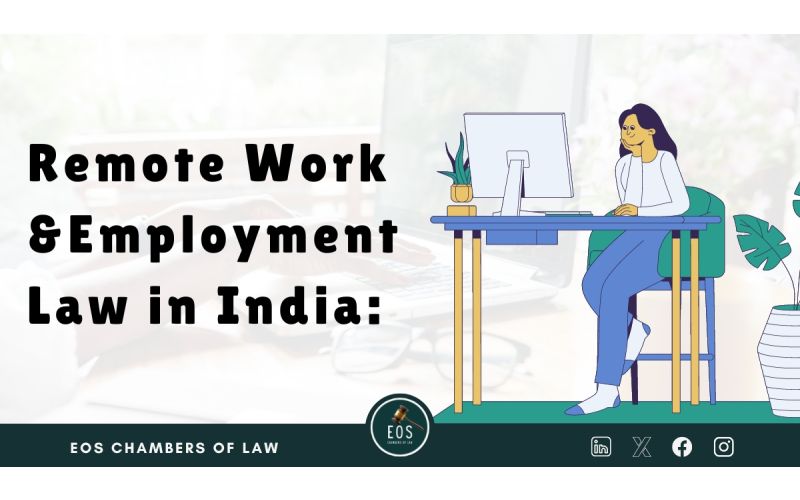
Remote Work and Employment Law in India: Navigating Legal Implications for Employers and Employees
Remote Work and Employment Law in India: Navigating Legal Implications for Employers and Employees The rise of remote work, accelerated by the COVID-19 pandemic, has fundamentally changed the way businesses operate and employees engage with their work. While remote work ...

Corporate Social Responsibility and Legal Obligations - Navigating the Legal Aspects of CSR Initiatives
Corporate Social Responsibility (CSR) has evolved from a voluntary initiative to a crucial component of modern business strategy. In today's globalized economy, companies are expected to contribute positively to society while maintaining profitability. However, CSR is not just about corporate ...

Startups and Legal Compliance: A Guide to Navigating Indian Laws
Navigating legal compliance is crucial for startups to establish a strong foundation and ensure sustainable growth. In India, understanding and adhering to applicable laws can be complex but essential. Here’s a concise guide to help startups stay compliant: 1. Incorporation ...
Post Categories
Featured Posts







Latest Posts








Latest Posts
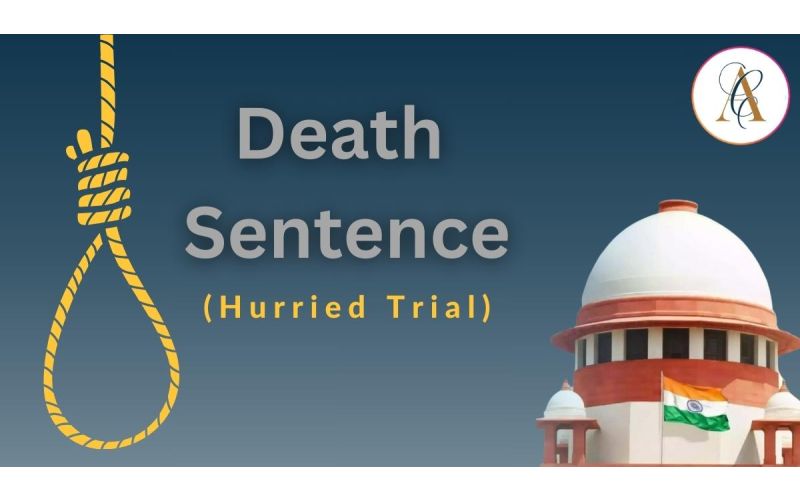
'Hurried Trial' : Supreme Court Sets Aside Death Penalty Given In Child Rape-Murder Case Within 23 Days; Orders Fresh Trial
The Supreme Court on Thursday (October 19) set aside the conviction and death sentence of a man accused of kidnapping, raping, and murdering a three-month-old infant after noting that he had not been give a 'proper opportunity' to defend himself. ...
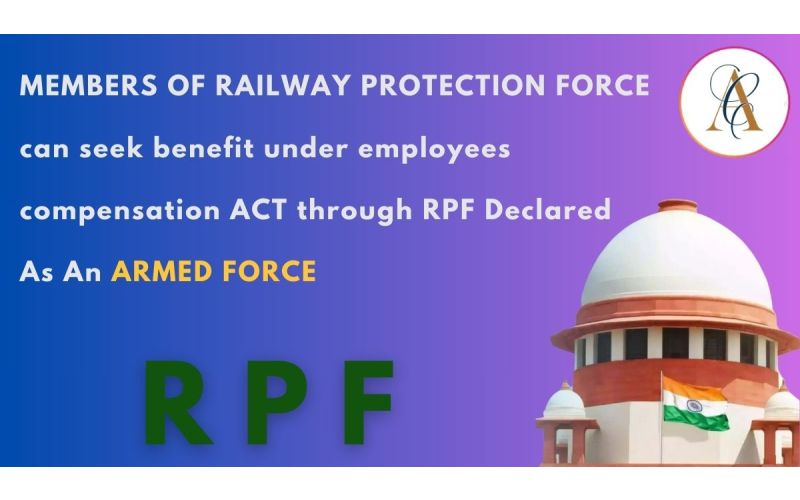
Members Of Railway Protection Force Can Seek Benefit Under Employees Compensation Act Though RPF Declared As An Armed Force: Supreme Court
The Supreme Court on Monday (26.09.2023), held that an officer of the Railway Protection Force (RPF) can seek compensation under Employees Compensation Act, 1923 even though the RPF has been declared to be an armed force of the Union. “..in ...
Permanent Establishment (PE) Risk for Foreign Companies in India – 2026 Compliance Alert
Introduction: Why PE Risk Is a Serious Compliance Issue in 2026 India continues to witness heightened scrutiny of foreign companies operating through subsidiaries, employees, consultants, and digital presence. With increased data sharing, GST intelligence, and income-tax investigations, Permanent Establishment (PE) ...
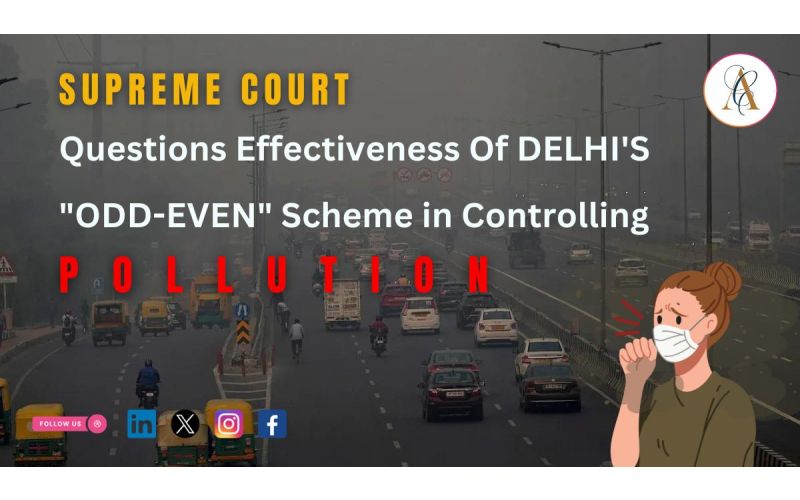
Supreme Court Questions Effectiveness Of Delhi's 'Odd-Even' Scheme In Controlling Pollution
The Supreme Court on Tuesday (November 7) questioned the effectiveness of the Delhi Government's "odd-even" scheme in controlling air pollution, while terming it as “optics”. Under this scheme, vehicles with license plate numbers ending in an even digit are allowed ...

Understanding Section 11: Why Minors Cannot Contract | Know the Law
📘 Can a Minor Enter Into a Contract? ❌ Absolutely Not.As per Section 11 of the Indian Contract Act, 1872, a person must be of the age of majority (i.e., 18 years or 21 in certain guardianship cases) to enter ...

#𝐊𝐧𝐨𝐰𝐓𝐡𝐞𝐋𝐚𝐰 | 𝐂𝐚𝐧 𝐘𝐨𝐮 𝐅𝐢𝐫𝐞 𝐚𝐧 𝐄𝐦𝐩𝐥𝐨𝐲𝐞𝐞 𝐖𝐢𝐭𝐡𝐨𝐮𝐭 𝐍𝐨𝐭𝐢𝐜𝐞?
YES! 🚫 𝐎𝐧𝐥𝐲 𝐢𝐧 𝐞𝐱𝐜𝐞𝐩𝐭𝐢𝐨𝐧𝐚𝐥 𝐜𝐚𝐬𝐞𝐬 — like proven misconduct, criminal activity, or if the employment contract specifically permits termination without notice. 🧾 𝐔𝐧𝐝𝐞𝐫 𝐭𝐡𝐞 𝐈𝐧𝐝𝐮𝐬𝐭𝐫𝐢𝐚𝐥 𝐃𝐢𝐬𝐩𝐮𝐭𝐞𝐬 𝐀𝐜𝐭, 1947, and state-specific Shops & Establishment Acts, arbitrary dismissal can invite legal ...

Speak With Our
Get a Appointment