
Blog Posts
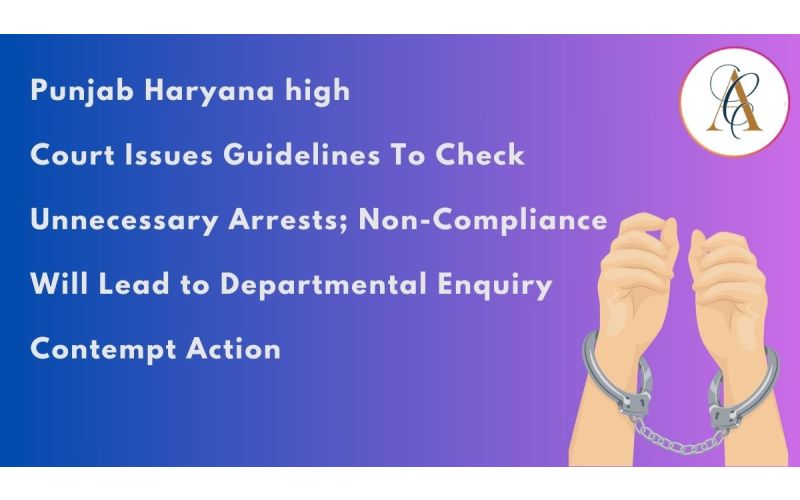
Punjab & Haryana High Court Issues Guidelines To Check Unnecessary Arrests; Non-Compliance Will Lead To Departmental Enquiry, Contempt Action
The Punjab & Haryana High Court has issued guidelines in compliance with the Supreme Court directions in Md. Asfak Alam v. State of Jharkhand & Anr. to ensure that police officers do not make unnecessary arrests and that Magistrates do ...
Post Categories
Featured Posts



Latest Posts








Latest Posts
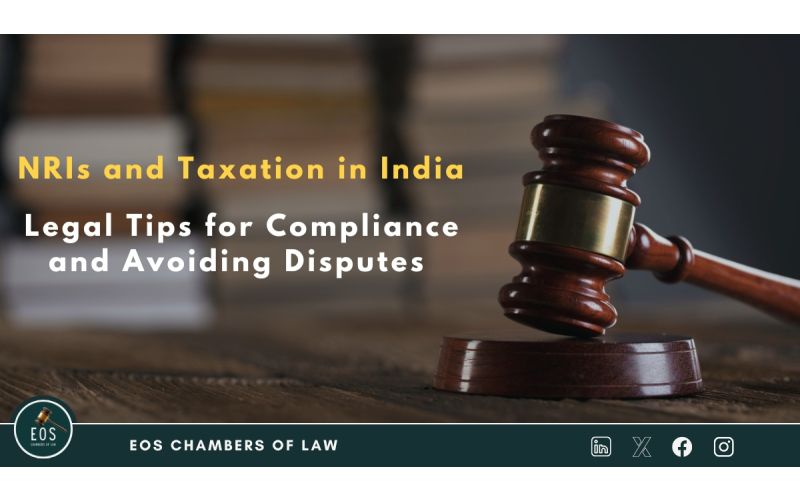
NRIs and Taxation in India: Legal Tips for Compliance and Avoiding Disputes
Navigating the tax landscape in India can be challenging for Non-Resident Indians (NRIs). Understanding your tax obligations is crucial to avoid disputes and penalties. Here are some essential legal tips to help NRIs ensure compliance and protect their financial interests: ...

Legal Ethics & Professionalism: Building Trust in the Legal Industry
🔹 Integrity. Accountability. Confidentiality. These pillars define a true legal professional. But in today’s fast-paced legal landscape, how do we maintain them? ✔ Upholding Client Confidentiality: A lawyer’s duty is to protect sensitive information—breaching it damages trust.✔ Avoiding Conflicts of ...

Builder–Buyer Disputes in India: Legal Remedies Beyond Court Litigation
Builder–buyer disputes have become one of the most common legal issues in India’s real estate sector. Delays in possession, unilateral changes in project plans, poor construction quality, refund refusals, and misleading commitments have affected thousands of home buyers across the ...

The Supreme Court’s Ruling on Same-Sex Marriage: What’s Next?
As legal professionals, we recognize the profound implications of the Supreme Court of India's recent deliberations on same-sex marriage. While the Court refrained from granting full marriage equality, the discussions have paved the way for significant legal discourse on LGBTQ+ ...
Punjab & Haryana High Court Issues Guidelines To Check Unnecessary Arrests; Non-Compliance Will Lead To Departmental Enquiry, Contempt Action
The Punjab & Haryana High Court has issued guidelines in compliance with the Supreme Court directions in Md. Asfak Alam v. State of Jharkhand & Anr. to ensure that police officers do not make unnecessary arrests and that Magistrates do ...
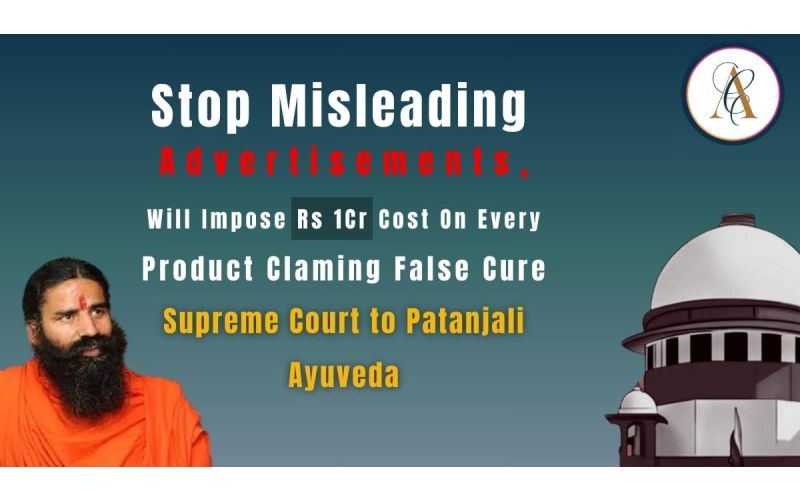
Stop Misleading Advertisements, Will Impose Rs 1 Crore Cost On Every Product Claiming False Cure: Supreme Court To Patanjali Ayurved
The Supreme Court on Tuesday (November 21) reprimanded the Patanjali Ayurved for continuing to publish misleading claims and advertisements against modern systems of medicine. While considering a petition filed by the Indian Medical Association against misleading advertisements, the bench comprising ...

Speak With Our
Get a Appointment