
Blog Posts
Indian Penal Code
The Indian Penal Code (IPC) is the official criminal code of India. It is a comprehensive code intended to cover all substantive aspects of criminal law. The code was drafted on the recommendations of the first law commission of India ...
Post Categories
Featured Posts








Latest Posts








Latest Posts
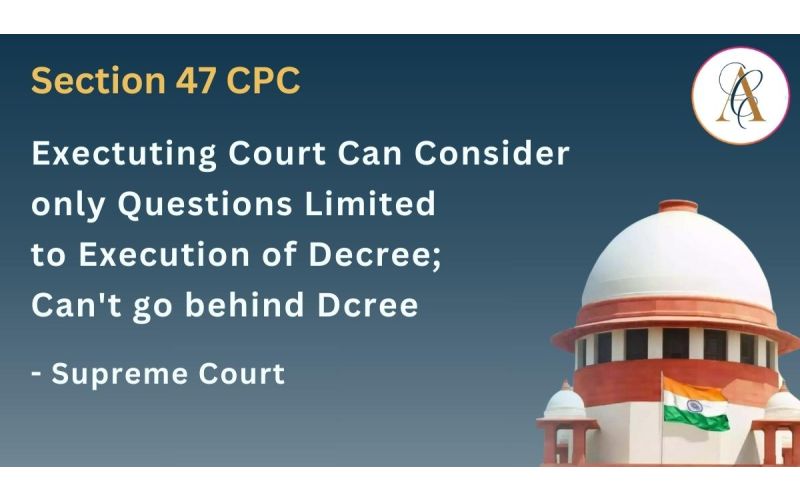
Section 47 CPC | Executing Court Can Consider Only Questions Limited To Execution Of Decree; Can't Go Behind Decree: Supreme Court
Lamenting the long delay in the execution of decrees, the Supreme Court observed that under Section 47 of the Code of Civil Procedure, the Executing Court can only go into questions that are limited to the execution of decree and ...

Repatriation of Funds and Investments: Legal Guidelines for NRIs
For Non-Resident Indians (NRIs), repatriating funds and investments back to their country of residence is a crucial aspect of financial management. However, navigating the legal landscape can be complex. Here are essential guidelines NRIs should follow to ensure smooth and ...
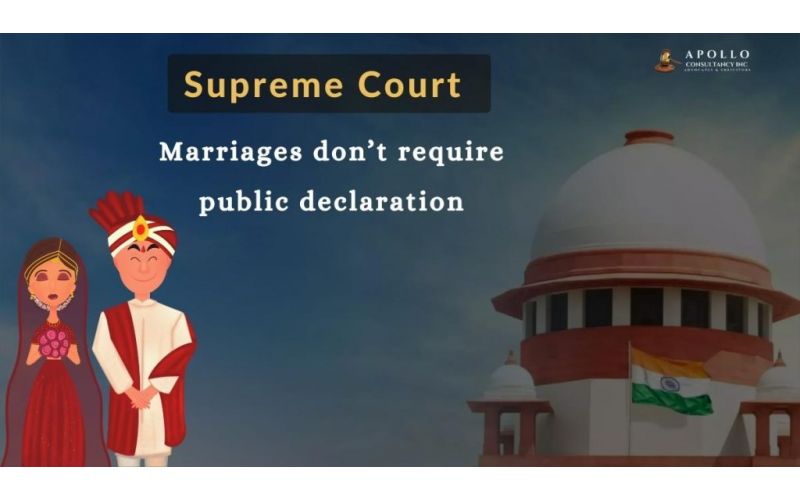
Marriages Don’t Require Public Declaration: SC
The Supreme Court of India has ruled that not all marriages require a public declaration or solemnisation Not every valid marriage requires a public declaration or solemnisation in a particular manner, the Supreme Court held on Monday, as it underlined ...
Remote Work and Employment Law in India: Navigating Legal Implications for Employers and Employees
Remote Work and Employment Law in India: Navigating Legal Implications for Employers and Employees The rise of remote work, accelerated by the COVID-19 pandemic, has fundamentally changed the way businesses operate and employees engage with their work. While remote work ...

ADR in Family Law: Benefits and Challenges
Alternative Dispute Resolution (ADR) has become a pivotal tool in family law, offering a way to resolve disputes without the need for contentious court battles. At Eos Chambers, we've observed the growing reliance on ADR methods such as mediation, arbitration, ...

Builder–Buyer Disputes in India: Legal Remedies Beyond Court Litigation
Builder–buyer disputes have become one of the most common legal issues in India’s real estate sector. Delays in possession, unilateral changes in project plans, poor construction quality, refund refusals, and misleading commitments have affected thousands of home buyers across the ...

Speak With Our
Get a Appointment