The Supreme Court ruled that Aadhaar, the ambitious public scheme that uses biometric data to generate unique identification numbers for citizens, is constitutionally valid, but with conditions. Here are the key takeaways from today’s verdict.

SC On Aadhaar: Important Takeaways From The Recent Verdict
Post Categories
Featured Posts





Latest Posts






Latest Posts

Anti-Money Laundering (AML) Compliance: Best Practices for Law Firms
In today's globalized economy, money laundering poses a significant threat to financial systems and institutions, including law firms. As facilitators of various financial transactions, law firms are often targeted by money launderers seeking to legitimize illicit funds. Anti-Money Laundering (AML) ...
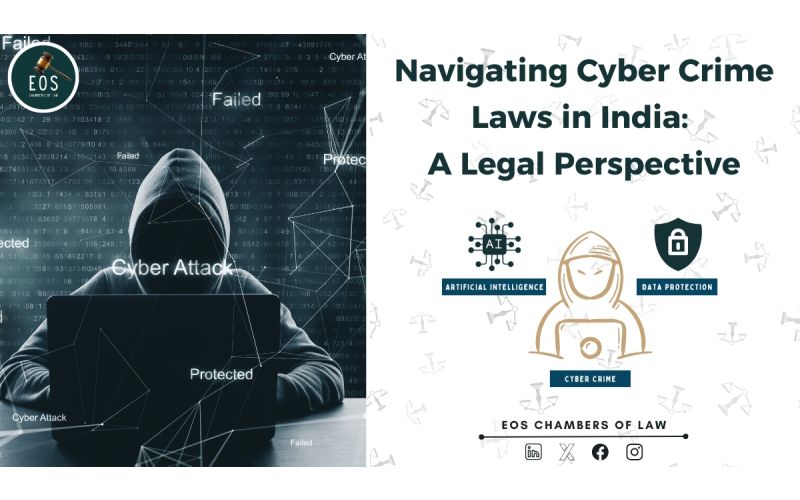
Navigating Cyber Crime Laws in India: A Legal Perspective
The rapid proliferation of digital technologies has transformed India’s social, economic, and professional landscape. While digitalization brings efficiency and innovation, it also exposes individuals and businesses to cybercrime risks. As a lawyer in India, it is crucial to understand the ...
An Exegesis On Criminal Offences: A Legal Discourse From The Pinnacle Of The Indian Judiciary
Index: Introduction Understanding Criminal Offences 2.1 Petty Offences 2.2 Cognizable Offences 2.3 Non-Cognizable Offences Consequences of Criminal Offences 3.1 Legal Consequences 3.2 Social and Personal Impact 3.3 Societal Costs Conclusion———————————— Introduction: Criminal offenses encapsulate acts that transgress established laws and regulations, warranting punitive measures imposed ...
Supreme Court Refuses To Interfere With HC Order Allowing Delhi University To Use CLAT Score For 5 Yr LLB Admissions In 2023-24
The Supreme Court on Monday(September 25) refused to interfere with the interim order passed by the Delhi High Court allowing the University of Delhi to admit students in the 5 year LL.B course of its Faculty of Law on the ...
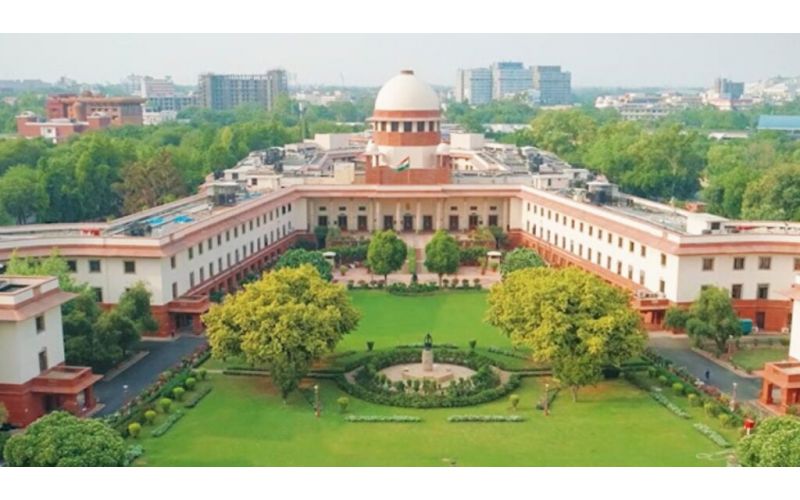
BREAKING| Supreme Court Issues Fresh Guidelines For Senior Designation; Previous Applicants Required To Update Or Submit Fresh Applications
The Supreme Court has issued fresh guidelines for the designation of senior advocates following the May 12 judgment in Indira Jaising vs Supreme Court which modified the criteria for senior designation. The Court has directed that Advocates-on-Record/Advocates who had applied in response ...
Judicial Decorum vs. Legal Expression: Balancing Dissent with Discipline in India’s Courtrooms
🏛️ The Incident That Sparked a National Conversation The recent events in the Supreme Court of India have reignited a fundamental debate — where does a lawyer’s right to expression end and duty to maintain decorum begin? A courtroom is ...

Speak With Our
Get a Appointment