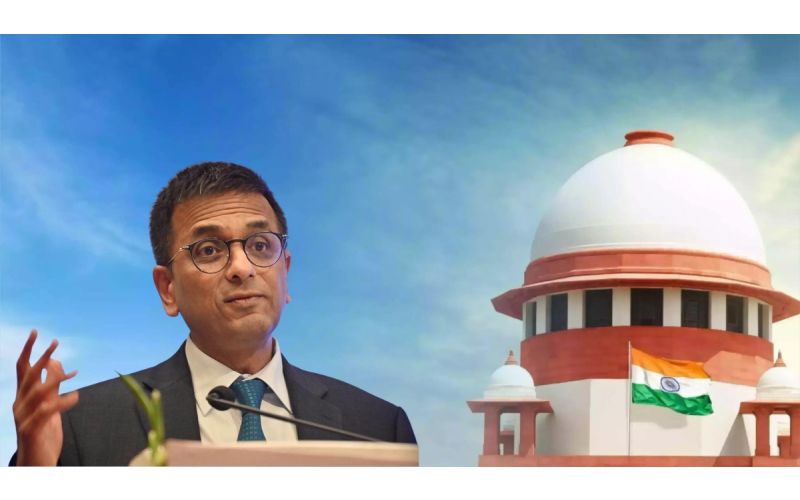

The legal profession has never remained static.
From handwritten pleadings to electronic filing, from physical libraries to digital legal databases, every generation has witnessed transformation in the practice of law. Today, however, the profession stands before perhaps its most significant transition—the Digital Age.
Artificial Intelligence, social media, cloud-based legal practice, virtual hearings, digital evidence, and online legal services are redefining how legal professionals work and interact with society.
Yet amid this technological evolution, one fundamental question deserves careful consideration:
Can innovation reshape the practice of law without compromising the ethical foundations upon which the profession is built?
The answer to that question will shape the future of legal ethics in India.
Legal Ethics: The Foundation of the Profession
The legal profession derives its credibility not merely from legal knowledge but from public confidence.
An advocate is not simply a representative of a client.
An advocate is an officer of the Court, entrusted with responsibilities that extend beyond individual interests to the administration of justice itself.
The Advocates Act, 1961, together with the Bar Council of India Rules, establishes standards of professional conduct that govern every advocate.
These standards include:
- Integrity
- Confidentiality
- Independence
- Professional dignity
- Respect for the Court
- Fairness to clients
- Honesty in legal proceedings
These principles have remained constant despite changes in society and technology.
The Constitution and the Rule of Law
Although the Constitution of India does not prescribe a separate chapter on legal ethics, its constitutional philosophy places enormous importance on the legal profession.
The Preamble promises:
- Justice
- Liberty
- Equality
These ideals become meaningful only when citizens enjoy genuine access to justice through an independent judiciary supported by an ethical legal profession.
Fundamental Rights under Articles 14, 19, 21 and 22 depend significantly upon competent and responsible legal representation.
The Rule of Law therefore cannot exist merely through legislation.
It requires advocates whose professional conduct inspires public confidence.
Technology Is Transforming Legal Practice
Technology has undoubtedly made legal services more accessible.
Today, advocates can:
- conduct legal research within minutes,
- appear through virtual hearings,
- manage digital case files,
- communicate instantly with clients,
- educate the public through digital platforms,
- utilise Artificial Intelligence for research assistance.
These developments have significantly improved efficiency.
However, greater convenience also creates greater responsibility.
The New Ethical Challenges
The digital environment presents issues that were almost unimaginable a decade ago.
Among them are:
Digital Confidentiality
Client information now exists on cloud servers, emails and mobile devices.
Protecting confidentiality requires stronger cybersecurity practices than ever before.
Artificial Intelligence
AI has become an extraordinary research assistant.
However, legal advice cannot be delegated to algorithms.
Professional judgment, legal reasoning and ethical responsibility remain exclusively human responsibilities.
Technology should assist legal professionals—not replace their independent application of law.
Social Media
Digital platforms have become powerful tools for public legal awareness.
They enable advocates to explain legal developments, constitutional rights and judicial decisions to millions of citizens.
However, these platforms also require careful adherence to professional ethics, dignity and responsible communication.
The challenge is not the existence of technology.
The challenge lies in ensuring that professional conduct continues to reflect the values expected of members of the Bar.
Public Trust Must Remain Supreme
The legal profession occupies a unique position in society.
Unlike ordinary commercial services, legal practice directly influences individual liberty, constitutional rights and access to justice.
Public confidence therefore becomes the profession's greatest asset.
Recognition may be earned through successful advocacy.
Popularity may arise through public visibility.
But trust is earned only through integrity.
Every advocate has a continuing responsibility to ensure that innovation never weakens the confidence society places in the justice delivery system.
Professional Responsibility in the Digital Era
As technology continues to evolve, advocates must continue to uphold certain timeless principles:
- Place ethics above visibility.
- Maintain confidentiality without compromise.
- Respect judicial institutions.
- Communicate responsibly.
- Exercise independent legal judgment.
- Preserve professional dignity in every forum.
Technology changes.
Professional responsibility does not.
The Way Forward
India's legal profession has always demonstrated the ability to evolve with changing times.
The future will undoubtedly bring greater integration of Artificial Intelligence, digital communication, online dispute resolution and advanced legal technologies.
These developments should be welcomed because they improve accessibility and efficiency.
At the same time, innovation must always operate within a framework of constitutional values, professional ethics and the Rule of Law.
The future of legal practice will not be defined merely by technological advancement.
It will be defined by how responsibly technology is used in service of justice.
Conclusion
The Digital Age presents extraordinary opportunities for the legal profession.
It also demands greater ethical awareness than ever before.
The enduring strength of the legal profession lies not in adopting every new technology, but in ensuring that every innovation strengthens rather than diminishes public confidence in justice.
As India continues its constitutional journey, legal ethics must remain the compass that guides technological progress.
Because ultimately,
Technology may transform the practice of law, but integrity will always define the legal profession.