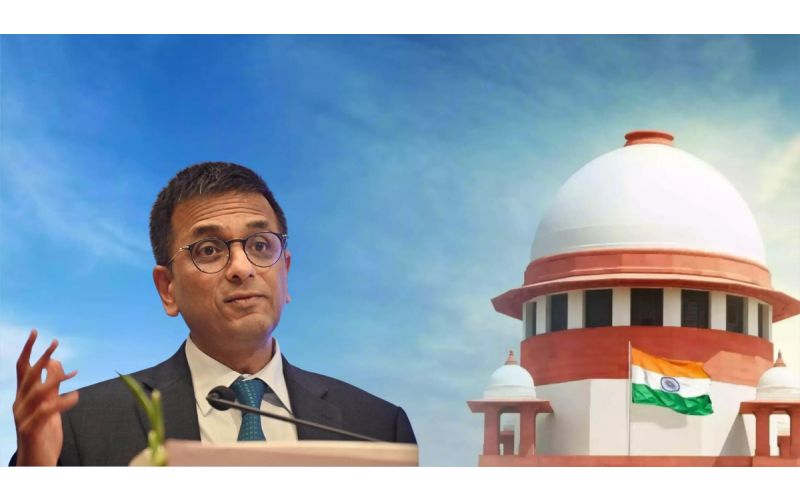
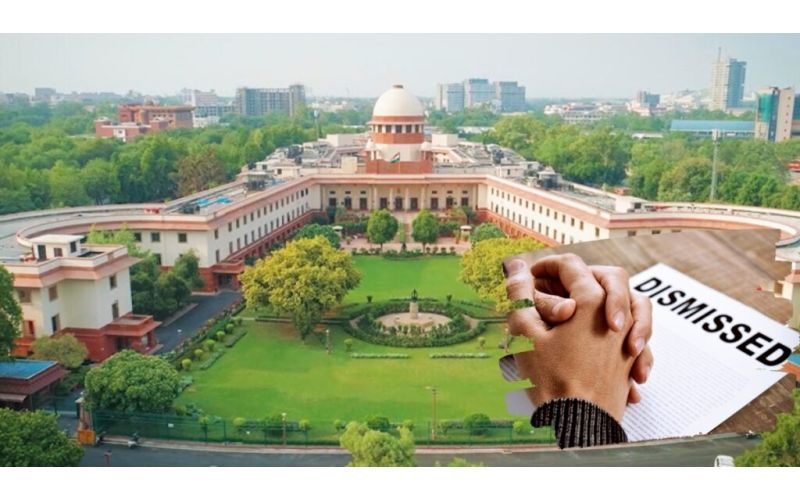
The Supreme Court on Tuesday dismissed the pleas filed by the Delhi Police against the bail granted to three student activists in the 2020 North East Delhi riots case.
A bench of Justices S K Kaul and A Amanullah passed the order while hearing the pleas filed by police challenging the Delhi High Court’s June 15, 2021 verdicts granting bail to activists Natasha Narwal, Devangana Kalita, and Asif Iqbal Tanha in a case related to communal violence during the protests against the Citizenship (Amendment) Act (CAA).
Read More
Introduction: The financial landscape for Non-Resident Indians (NRIs) is complex, spanning a myriad of regulations, taxes, and investment opportunities. As global citizens, NRIs navigate diverse economic ecosystems, balancing rights and responsibilities across borders. In this article, we delve into the ...
The Centre has informed the Supreme Court that transgender persons can avail the already earmarked reservations in jobs and educational admissions and there is no separate reservation being provided to them. In 2014, the top court directed the Centre and ...
The Supreme Court has upheld the largely disproportionate allotment of rights share in favour of one group of shareholders of a private limited company, substantially increasing its shareholding percentage in the company over other group of shareholders.The bench comprisingJustices K.M. ...
In order to determine the “carrying capacity” of overcrowded hill stations in Uttarakhand, Himachal, and other Himalayan states affected by landslides, the Supreme Court on Monday decided to form a panel of experts on environment and climate studies from government institutions. A ...
In today's digital era, the concept of "digital arrest" has taken center stage, reflecting the evolving legal response to cyber crimes in India. With the rise in online fraud, hacking, cyberbullying, and identity theft, the need to protect citizens and ...
The Supreme Court on May 1 held that it can use its extraordinary powers to do “complete justice” under Article 142 of the Constitution and dissolve a marriage on the ground of ‘irretrievable breakdown’ of the union. Usually, the apex ...