
The Supreme Court’s Ruling on Same-Sex Marriage: What’s

The Supreme Court’s Ruling on Same-Sex Marriage: What’s Next?
|
As legal professionals, we recognize the profound implications of the Supreme Court of India's recent deliberations on same-sex marriage. While the Court refrained from granting full marriage equality, the discussions have paved the way for significant legal discourse on LGBTQ+ rights in India.
Key Aspects of the Ruling:
- Civil Unions vs. Marriage Equality:
The Supreme Court acknowledged the right to love and partnership for LGBTQ+ individuals but stopped short of recognizing same-sex marriage under existing personal laws. The distinction between civil unions and marriage remains at the heart of the debate. - Call for Legislative Action:
The Court emphasized that changes to marriage laws fall within the purview of Parliament, encouraging the legislature to take proactive steps toward addressing the concerns of the LGBTQ+ community. - Parental and Social Acknowledgment:
An important aspect of the judgment was its focus on parental acceptance and the social challenges faced by LGBTQ+ individuals, urging society to be more inclusive.
Challenges Ahead:
- Recognition in Personal Laws:
The lack of recognition in personal laws such as the Hindu Marriage Act and the Special Marriage Act means that same-sex couples remain excluded from critical rights, including adoption, inheritance, and joint property ownership. - Policy Implementation:
Without legal backing, same-sex partnerships face hurdles in administrative processes like joint bank accounts or nomination rights in insurance and pension schemes. - Cultural Resistance:
Despite progressive judicial pronouncements, societal acceptance remains a significant challenge.
The Way Forward:
- Legislative Advocacy:
As legal practitioners, we urge policymakers to draft inclusive laws that reflect the evolving societal norms. Establishing frameworks for civil unions, if not marriage, could be a critical first step. - Corporate Inclusion:
Businesses can take the lead in promoting LGBTQ+ rights through policies that support workplace equality and benefits for same-sex partners. - Public Awareness Campaigns:
Continued efforts to educate society about LGBTQ+ issues will help foster acceptance and inclusion.
At EOS Chambers, we remain committed to advocating for equal rights and providing legal support to marginalized communities. The Supreme Court’s ruling has initiated an important conversation, but the journey toward equality requires collaborative efforts from all stakeholders.
Together, let’s work toward a future where love, dignity, and equality prevail.
Post Categories
Featured Posts




Latest Posts








Latest Posts
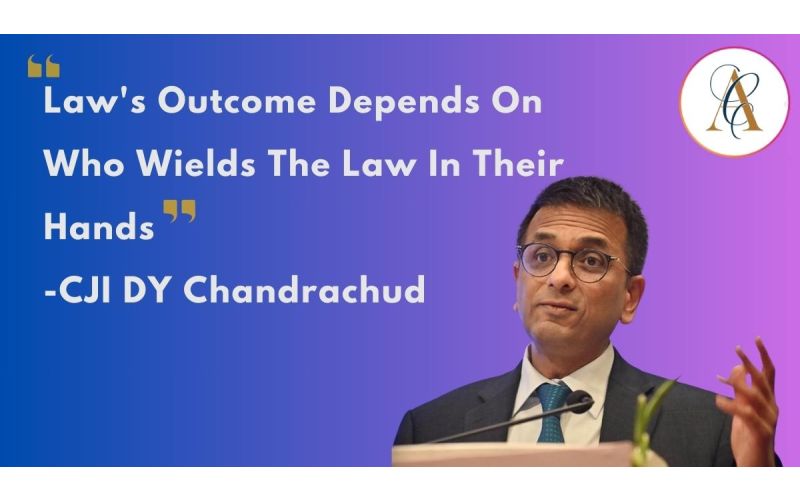
Law's Outcome Depends On Who Wields The Law In Their Hands : CJI DY Chandrachud
Chief Justice of India, DY Chandrachud recently spoke on how justice and the outcome of the law depends on who is wielding the law in their hands. When the law is wielded with compassion, it is capable of producing justice, ...

Legal Challenges in NRI Marriages
Introduction Non-Resident Indian (NRI) marriages, while often joyous, can also bring a unique set of legal challenges. These challenges stem from cross-border legal systems, differing cultural expectations, and complex family dynamics. Understanding these issues is crucial for NRIs and their ...
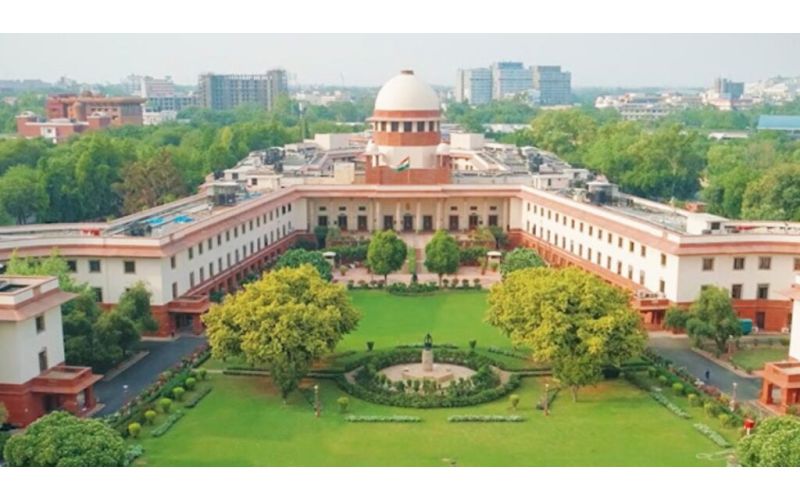
Be Vigilant Before Invoking Stringent Laws Like SC-ST Act : Supreme Court ‘Reminds’ Police Officers
In a recent case, the Supreme Court reminded police officers of their duty to be vigilant before invoking provisions of stringent laws such as the SC-ST (Prevention of Atrocities) Act, stating that officers must be satisfied that the provisions apply ...
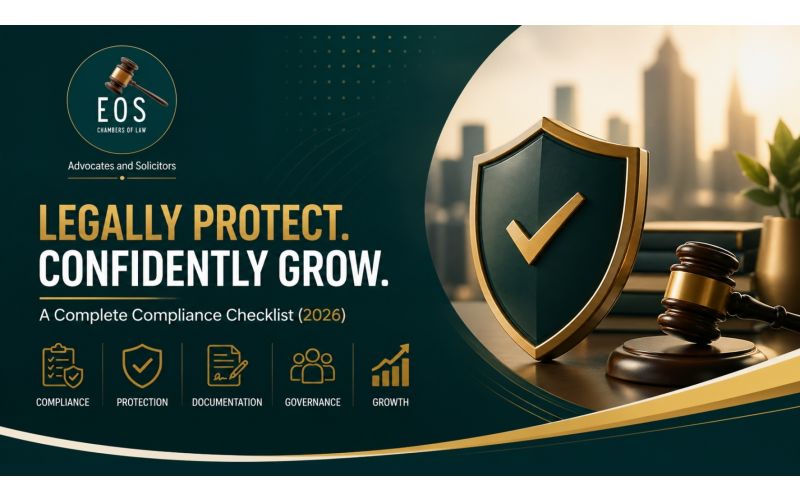
How to Legally Protect Your Business in India: A Complete Compliance Checklist (2026)
In today’s rapidly evolving regulatory environment, running a business in India is not just about growth—it is about staying compliant, protected, and risk-aware. Many businesses face legal challenges not due to intent, but due to lack of structured compliance systems. ...
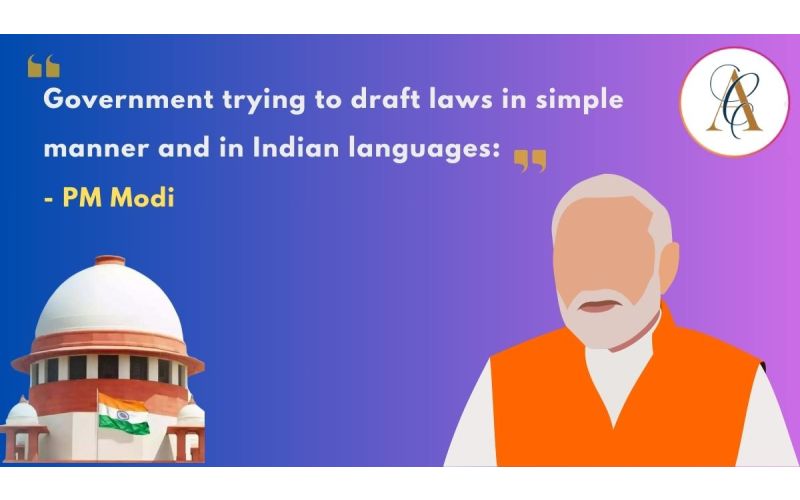
Government trying to draft laws in simple manner and in Indian languages: Pm Modi
Prime Minister Narendra Modi emphasized the importance of lawyers and the judiciary in shaping the country's legal system. Prime Minister Narendra Modi expressed his gratitude to the legal fraternity for their substantial contribution to the country's independence movement and its ...
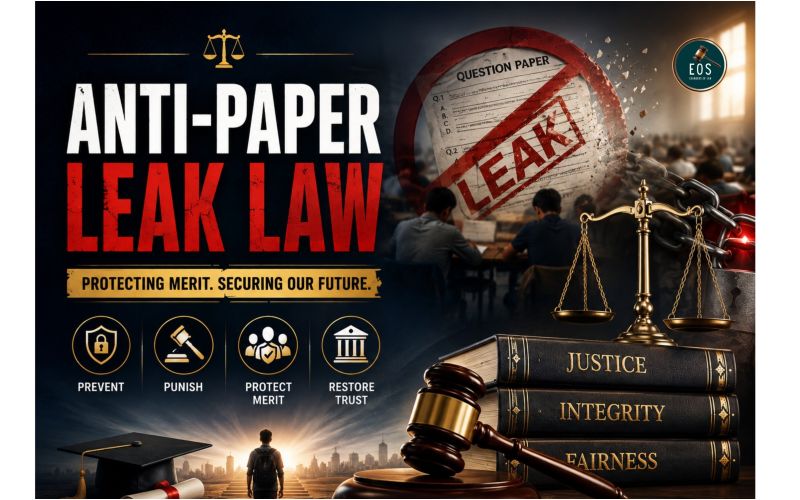
India's Tougher Anti-Paper Leak Law-A Step Towards Protecting Merit and Restoring Public Trust
A Legal Perspective on the Public Examinations (Prevention of Unfair Means) Amendment Act, 2026 For millions of students across India, a public examination is far more than a test—it represents years of dedication, family sacrifices, and aspirations for a better ...

Speak With Our
Get a Appointment