
Arbitration Law Needs To Tackle A Key Concern
Arbitration Law Needs To Tackle A Key Concern
|
The arbitration law has undergone repeated amendments with only one aim — making India the hub of international arbitration.
Last month, the government set up an expert panel headed by former law secretary TK Viswanathan to suggest reforms in the 1996 Arbitration and Conciliation (A&C) Act. The A&C Act is the primary legislation regulating domestic and foreign arbitration in India. It gives effect to the International Convention on the Recognition and Enforcement of Foreign Arbitral Awards (also known as the New York Convention), which India signed in 1960. Thus, it provides a mechanism for the enforcement of foreign arbitral awards in India. In the last few years, several recommendations have been made to reform the A&C Act including by the Law Commission of India. Indeed, the arbitration law has undergone repeated amendments with only one aim — making India the hub of international arbitration.
Post Categories
Featured Posts








Latest Posts








Latest Posts

Legal Challenges in Cryptocurrency and Blockchain: Exploring the Evolving Legal Landscape
The rise of cryptocurrencies and blockchain technology has revolutionized the financial world, but it has also brought about a series of complex legal challenges. As more businesses and individuals adopt digital currencies and decentralized systems, governments and regulatory bodies are ...

An In-Depth Look at Environmental and Sustainability Law
In today's rapidly changing world, environmental and sustainability law has become a cornerstone of global legal practices. With increasing awareness of climate change, resource depletion, and environmental degradation, these laws are essential for promoting sustainable development and protecting our planet ...
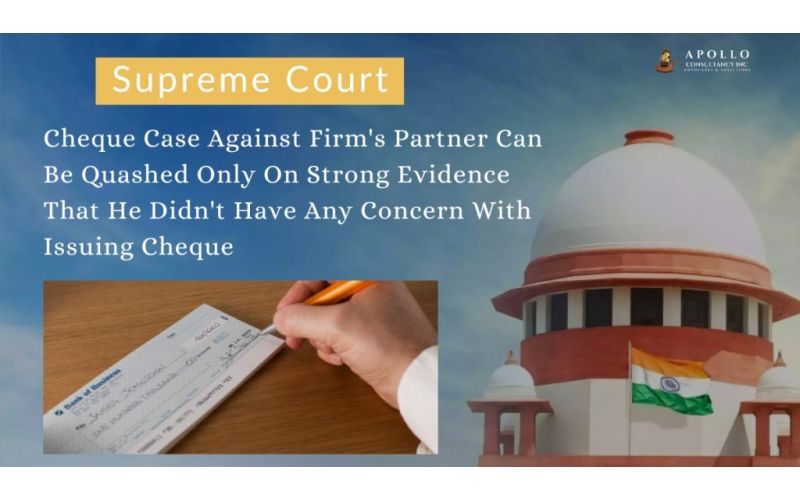
Cheque Case Against Firm’s Partner Can Be Quashed Only On Strong Evidence That He Didn’t Have Any Concern With Issuing Cheque : Supreme Court
The Supreme Court observed that a cheque case against a partner of the firm cannot be quashed under Section 482 CrPC unless there is unimpeachable and incontrovertible evidence that he/she did not have any concern with the issuance of cheques. ...
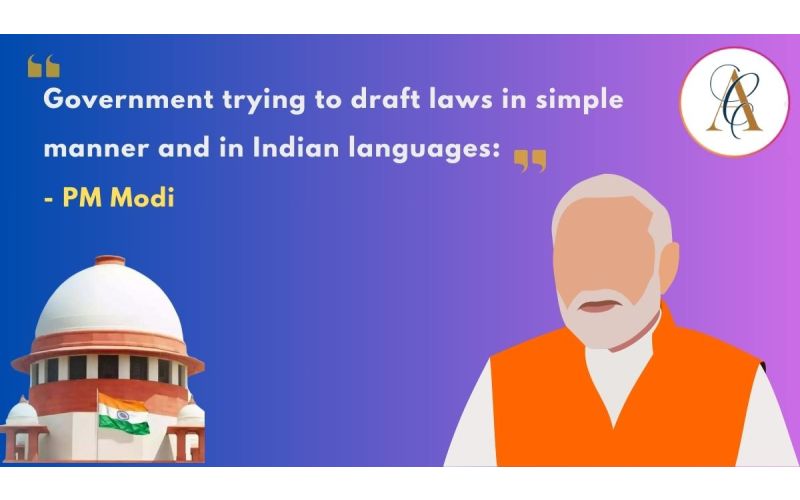
Government trying to draft laws in simple manner and in Indian languages: Pm Modi
Prime Minister Narendra Modi emphasized the importance of lawyers and the judiciary in shaping the country's legal system. Prime Minister Narendra Modi expressed his gratitude to the legal fraternity for their substantial contribution to the country's independence movement and its ...
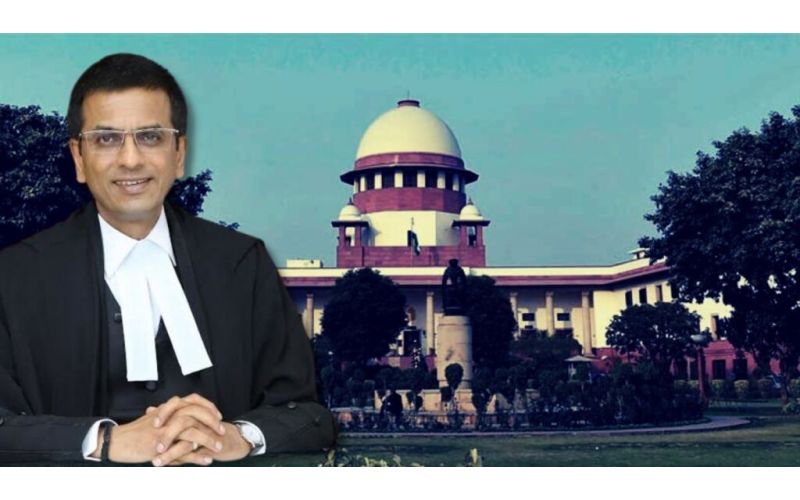
CJI Chandrachud Bats For Mediation As Dispute Resolution Mechanism For Individuals, Govt
NEW DELHI: Chief Justice of India DY Chandrachud batted on Friday for adopting and encouraging mediation, including online mediation, as a mode of dispute resolution other than litigation, saying it would reduce the courts’ caseload and has the potential to ...

Legal Due Diligence Before Buying a Business or Startup in India
Why Legal Due Diligence Is Critical In India, when you acquire a business or startup — whether through share purchase, asset purchase, merger, or strategic investment — you may also inherit: Undisclosed tax liabilities Pending litigation Regulatory non-compliance Hidden shareholder ...

Speak With Our
Get a Appointment