
Blog Posts

Legal Framework for Virtual Court Hearings: Challenges and Opportunities
The advent of virtual court hearings marks a significant evolution in the judicial system, reshaping traditional courtroom dynamics. While this shift brings efficiency and accessibility, it also introduces unique challenges and opportunities that require careful consideration within the legal framework. ...
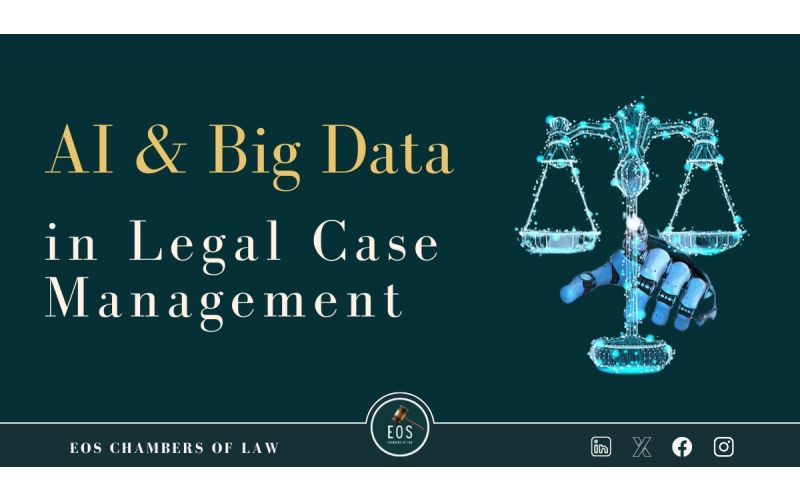
AI and Big Data in Legal Case Management
The integration of artificial intelligence (AI) and big data into legal case management is revolutionizing the way law firms and legal professionals operate. These technologies offer unprecedented opportunities to streamline processes, enhance decision-making, and improve client outcomes. The Role of ...
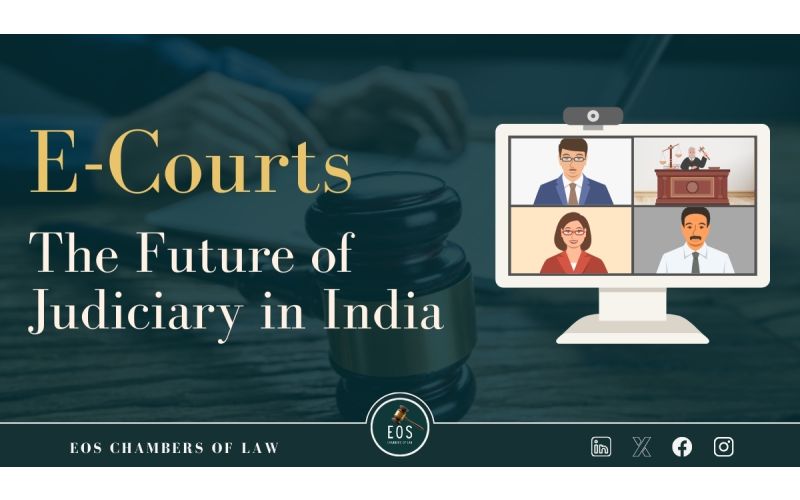
E-Courts: The Future of Judiciary in India
India’s judiciary is at a crossroads, with digitization and judicial reforms paving the way for increased efficiency, transparency, and accessibility. The e-Courts initiative, launched by the Indian judiciary under the National e-Governance Plan (NeGP), is a transformative step toward modernizing ...
Post Categories
Featured Posts








Latest Posts








Latest Posts

NRIs and Taxation in India: Legal Tips for Compliance and Avoiding Disputes
Navigating the tax landscape in India can be challenging for Non-Resident Indians (NRIs). Understanding your tax obligations is crucial to avoid disputes and penalties. Here are some essential legal tips to help NRIs ensure compliance and protect their financial interests: ...

Judge Aspirants Get Relief; Supreme Court Sets Aside BPSC's Rejection Of Candidates For Not Producing Original Certificates
The Supreme Court on Friday (September 22) granted relief to three judicial service aspirants from Bihar whose candidatures were rejected by the Bihar Public Service Commission(BPSC) due to non-production of original certificates at the time of interview. Holding that production ...

Understanding Section 377 of the Indian Penal Code
Section 377 of the Indian Penal Code, a colonial-era law, criminalized "unnatural offenses," including consensual same-sex relationships. However, in a historic judgment on September 6, 2018, the Supreme Court of India decriminalized consensual homosexual acts between adults, marking a significant ...
AI and Big Data in Legal Case Management
The integration of artificial intelligence (AI) and big data into legal case management is revolutionizing the way law firms and legal professionals operate. These technologies offer unprecedented opportunities to streamline processes, enhance decision-making, and improve client outcomes. The Role of ...
Legal Challenges in Remote Work : Solicitors' Guide
Introduction: As remote work continues to redefine the modern workplace, it brings with it a host of legal considerations that businesses and employees must navigate. From data protection to employment law and contractual obligations, the shift to remote work presents ...

Supreme Court Seeks Union's Stand Regarding Cryptocurrency
The Centre has told the Supreme Court it is yet to take a decision on a mechanism to regulate cryptocurrencies and effectively investigate related offences. A bench of justices Surya Kant and KV Viswanathan was told by Additional Solicitor General ...

Speak With Our
Get a Appointment