
Blog Posts
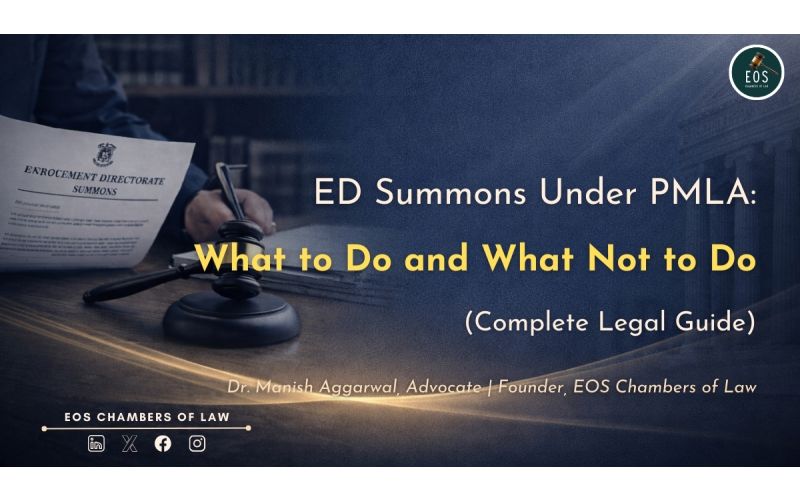
ED Summons Under PMLA: What to Do and What Not to Do (Complete Legal Guide)
Receiving a summons from the Enforcement Directorate (ED) under the Prevention of Money Laundering Act, 2002 (PMLA) can be intimidating. For many individuals—business owners, directors, promoters, professionals, or even family members—an ED summons creates panic, confusion, and fear of arrest. ...
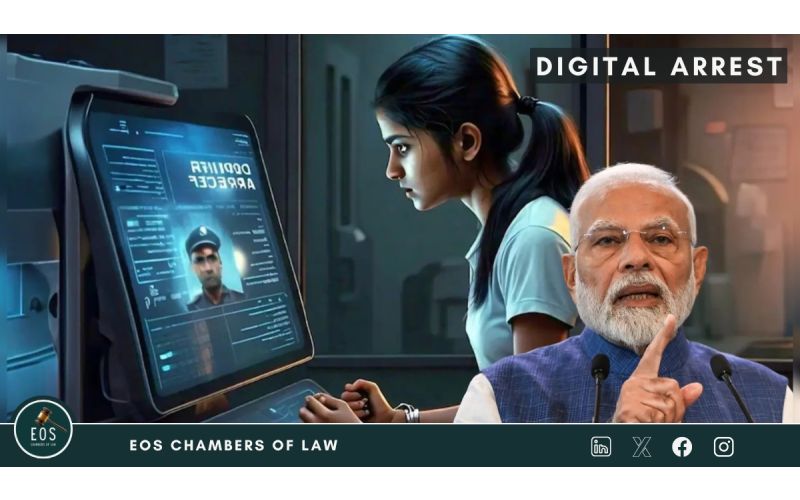
Digital Arrest: Navigating Cyber Crime Laws in India
In today's digital era, the concept of "digital arrest" has taken center stage, reflecting the evolving legal response to cyber crimes in India. With the rise in online fraud, hacking, cyberbullying, and identity theft, the need to protect citizens and ...
Post Categories
Featured Posts





Latest Posts






Latest Posts
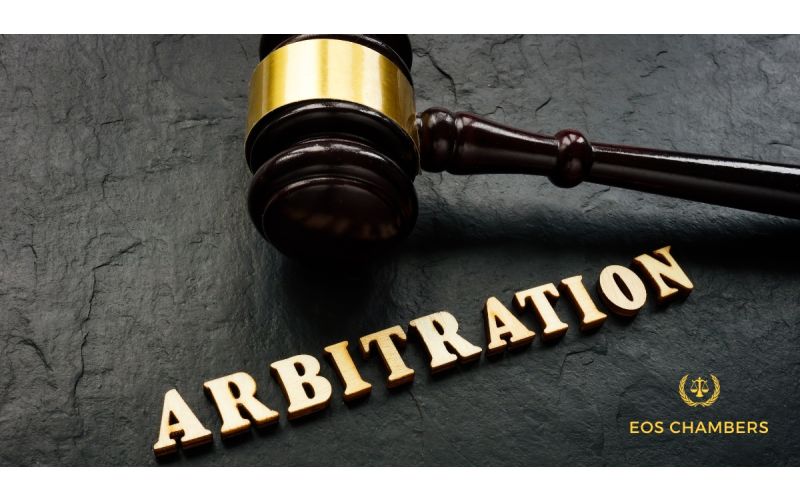
Navigating the Future: The Rising Demand for Faster Resolutions through Arbitration
Dear community In the ever-evolving landscape of dispute resolution, the demand for faster and more efficient solutions is on the rise. As businesses and individuals seek alternatives to protracted litigation, arbitration has emerged as a compelling choice. Let's delve into ...
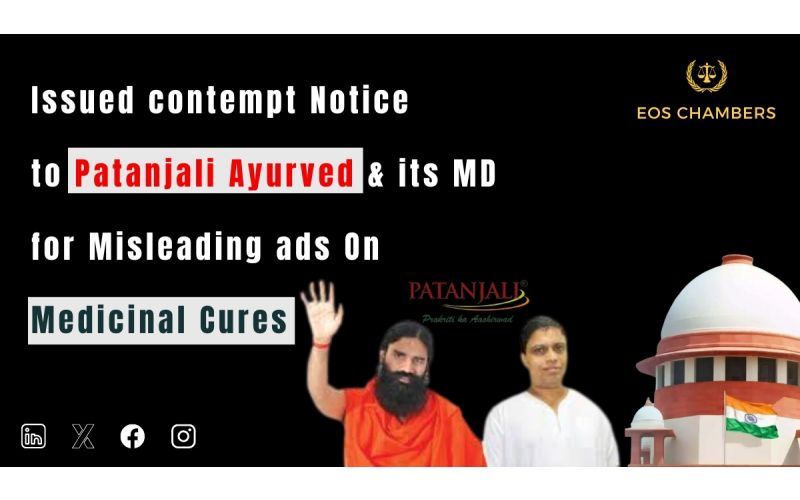
Supreme Court Issued contempt Notice to Patanjali Ayurved & its MD for Misleading ads On Medicinal Cures
The Supreme Court on Tuesday (February 27) came down heavily on Patanjali Ayurved for continuing to publish misleading advertisements regarding medicinal cures, despite making an assurance to the Court earlier in November last year that no such statements would be ...
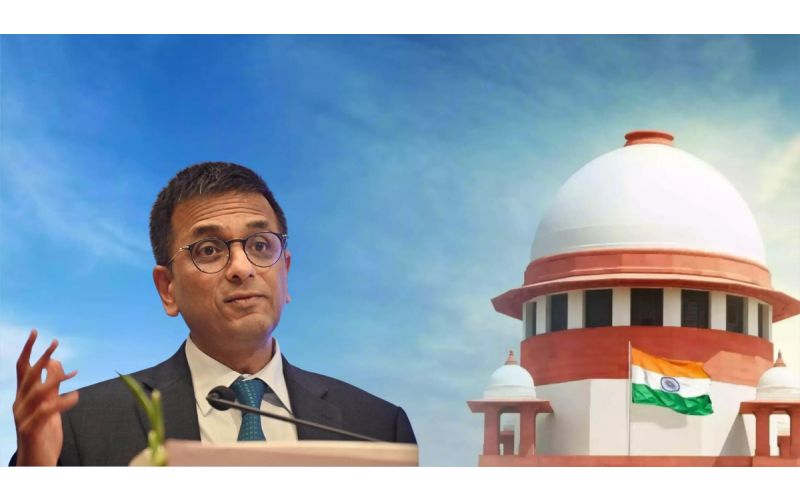
CJI DY Chandrachud Cautions About Artificial Intelligence; Says It Can Make Biased Decisions Based On Societal Prejudices
Chief Justice of India D Y Chandrachudrecently spoke on how no technology is neutral and how it can reflect human values when deployed in the real world. The CJI spoke on how one must ponder the human and societal values ...
Elevate Your Legal Strategy with Expert Witness Preparation Support
Introduction: In the realm of legal proceedings, witness testimony can make or break a case. It's the narrative that often tips the scales of justice. Yet, preparing witnesses for the courtroom is a nuanced art—one that demands expertise, strategy, and ...
How to Legally Protect Your Business in India: A Complete Compliance Checklist (2026)
In today’s rapidly evolving regulatory environment, running a business in India is not just about growth—it is about staying compliant, protected, and risk-aware. Many businesses face legal challenges not due to intent, but due to lack of structured compliance systems. ...
Cheque Bounce Case Can Be Quashed U/S 482 Only If Amount Is Patently Non-Recoverable; Whether Debt Time-Barred Or Not Is A Question Of Evidence : SC
The Supreme Court observed that the question whether a cheque was issued towards a time barred debt is to be decided on evidence. “It is only in cases wherein an amount which is out and out non-recoverable, towards which a ...

Speak With Our
Get a Appointment