
Blog Posts
𝐍𝐚𝐯𝐢𝐠𝐚𝐭𝐢𝐧𝐠 𝐏𝐫𝐨𝐩𝐞𝐫𝐭𝐲 𝐃𝐢𝐬𝐩𝐮𝐭𝐞𝐬 𝐢𝐧 𝐈𝐧𝐝𝐢𝐚: 𝐀 𝐋𝐞𝐠𝐚𝐥 𝐆𝐮𝐢𝐝𝐞 𝐟𝐨𝐫 𝐍𝐑𝐈𝐬 🏡
Property disputes can be particularly challenging for Non-Resident Indians (NRIs) who may face issues like illegal possession, inheritance conflicts, and unclear property titles. Managing these disputes from abroad adds further complexity. Here are some essential legal tips for NRIs to ...

Legal Challenges in Cryptocurrency and Blockchain: Exploring the Evolving Legal Landscape
The rise of cryptocurrencies and blockchain technology has revolutionized the financial world, but it has also brought about a series of complex legal challenges. As more businesses and individuals adopt digital currencies and decentralized systems, governments and regulatory bodies are ...
ADR in Workplace Conflicts: A Guide for Employers and Employees
Workplace conflicts are inevitable. Whether stemming from miscommunication, differences in expectations, or interpersonal issues, they can disrupt the professional environment and affect productivity. For both employers and employees, finding a way to resolve these conflicts quickly, fairly, and cost-effectively is ...
International Arbitration: Navigating Cross-Border Disputes with ADR
As global business transactions increase, so do the risks of cross-border disputes. When parties from different countries find themselves in conflict, traditional litigation can be slow, costly, and fraught with jurisdictional complexities. This is where Alternative Dispute Resolution (ADR)—specifically, international ...
ADR in Family Law: Benefits and Challenges
Alternative Dispute Resolution (ADR) has become a pivotal tool in family law, offering a way to resolve disputes without the need for contentious court battles. At Eos Chambers, we've observed the growing reliance on ADR methods such as mediation, arbitration, ...
Empowering Dispute Resolution: How Technology is Shaping the Future of ADR
🎯 The Role of Technology in Enhancing ADR Processes The advent of technology has transformed virtually every industry, and the field of Alternative Dispute Resolution (ADR) is no exception. ADR processes, including mediation, arbitration, and negotiation, have traditionally relied on ...
🤝 Mediation vs. Arbitration: Choosing the Right Path in ADR ⚖️
Alternative Dispute Resolution (ADR) has become an increasingly popular method for resolving disputes outside of traditional court litigation. Among the various ADR methods, mediation and arbitration stand out as two of the most commonly used approaches. While both aim to ...
36-48 Hours Shifts For Resident Doctors Inhuman: Supreme Court Asks NTF To Address Concerns On Duty Hours
During the Suo Motu hearing of the RG Kar Hospital Rape-Murder today, the Supreme Court expressed its worries over the 'inhuman working hours' of resident doctors all over the country. The bench comprising Chief Justice of India DY Chandrachud, Justices ...
Remote Work and Employment Law in India: Navigating Legal Implications for Employers and Employees
Remote Work and Employment Law in India: Navigating Legal Implications for Employers and Employees The rise of remote work, accelerated by the COVID-19 pandemic, has fundamentally changed the way businesses operate and employees engage with their work. While remote work ...
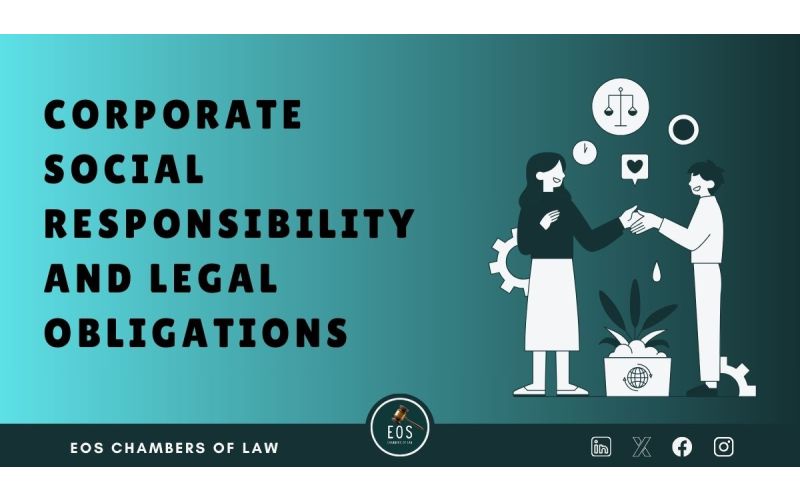
Corporate Social Responsibility and Legal Obligations - Navigating the Legal Aspects of CSR Initiatives
Corporate Social Responsibility (CSR) has evolved from a voluntary initiative to a crucial component of modern business strategy. In today's globalized economy, companies are expected to contribute positively to society while maintaining profitability. However, CSR is not just about corporate ...
Post Categories
Featured Posts





Latest Posts








Latest Posts
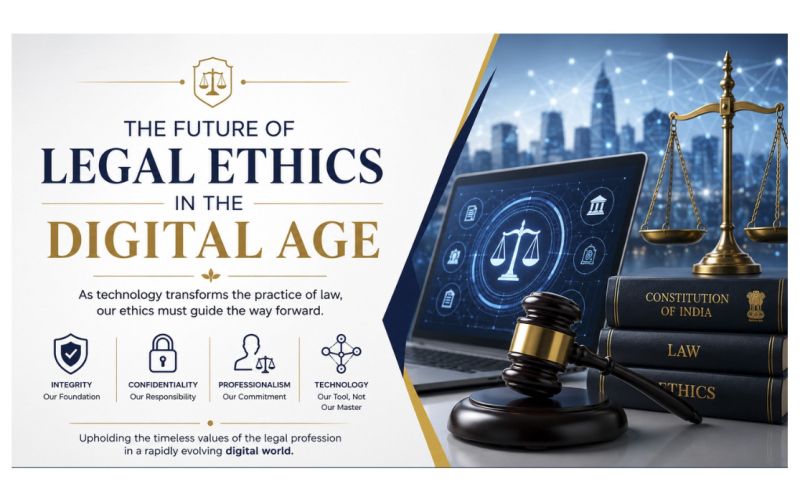
The Future of Legal Ethics in the Digital Age
The legal profession has never remained static. From handwritten pleadings to electronic filing, from physical libraries to digital legal databases, every generation has witnessed transformation in the practice of law. Today, however, the profession stands before perhaps its most significant ...
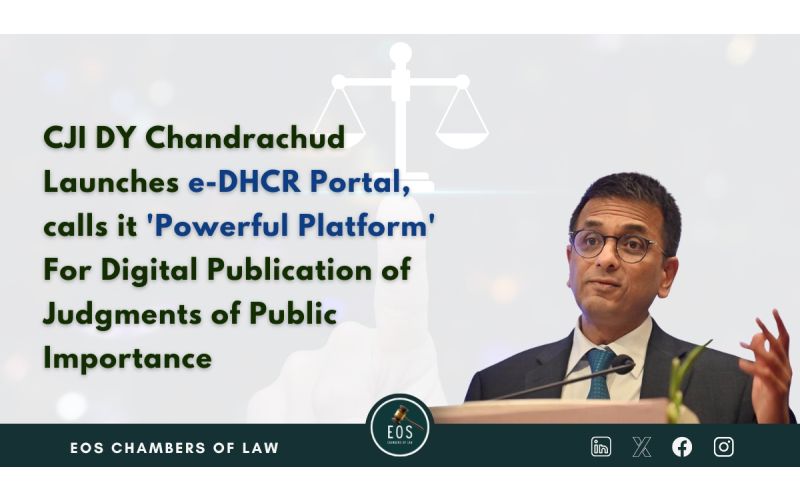
CJI DY Chandrachud Launches e-DHCR Portal, calls it 'Powerful Platform' For Digital Publication of Judgments of Public Importance
Chief Justice of India, Justice DY Chandrachud, on Monday launched the e-DHCR portal, a user friendly official platform for reporting the judgments of Delhi High Court. CJI Chandrachud said that the initiative marks a “profound shift” in ensuring the democratized ...
Inheritance and Succession Laws: What Every NRI Should Know
For Non-Resident Indians (NRIs), navigating inheritance and succession laws in India can be complex. Whether dealing with ancestral property, inheriting assets, or managing family estates, NRIs must understand the legal framework to safeguard their rights and avoid disputes. Here are ...
'Serving Personnel Can't Be Deemed To Ex-Servicemen From Future Date' : Supreme Court Rejects Army Veterans Plea For Govt Job
Serving Armed Forces officers can't be deemed to be Ex-Servicemen from a prospective date, said the Supreme Court while rejecting the claim of three appellants for appointments as Village Development Officers in the Uttar Pradesh State Service. The appellants, even ...
𝐄𝐦𝐛𝐫𝐚𝐜𝐢𝐧𝐠 𝐋𝐞𝐠𝐚𝐥 𝐓𝐞𝐜𝐡𝐧𝐨𝐥𝐨𝐠𝐲: 𝐈𝐧𝐧𝐨𝐯𝐚𝐭𝐢𝐨𝐧𝐬 𝐒𝐡𝐚𝐩𝐢𝐧𝐠 𝐭𝐡𝐞 𝐅𝐮𝐭𝐮𝐫𝐞 𝐨𝐟 𝐋𝐚𝐰
In today's rapidly evolving digital landscape, the legal industry stands at the precipice of transformation. As advancements in technology redefine the way we work, communicate, and interact, the realm of law is not immune to these revolutionary changes. At Eos ...
Children Of Invalid Marriages Have Right In Their Parents’ Share In Hindu Joint Family Property : Supreme Court
The Supreme Court on Friday (September 1) pronounced a judgment recognizing the rights of children born out of invalid marriages in their parents’ share in Hindu joint family property. The Court held that children born out of void/voidable marriages are ...

Speak With Our
Get a Appointment