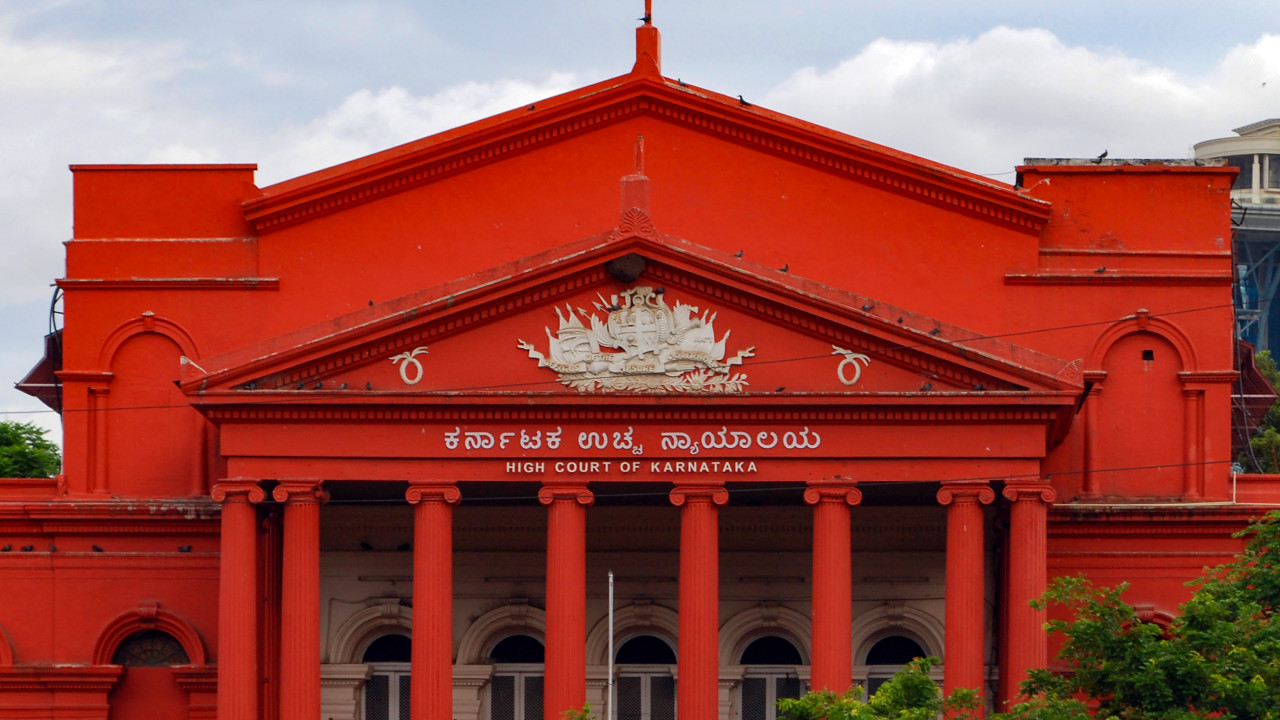
Supreme court
Supreme Court Upholds Maharashtra Government's Decision to Grant Quota to Marathas
The Supreme Court of India has upheld the Maharashtra government's decision to grant a quota to the Maratha community in government jobs and educational institutions. Background: The Maharashtra government had passed the Maharashtra State Reservation (of seats for admission in educational institutions in the State and for appointments in the public services and posts under the State) for Socially and Educationally Backward Classes (SEBC) Act, 2018, which provided for 16% reservation for the Maratha community. Parties: The petitioners, who were opposed to the quota, argued that it was unconstitutional and violated the principles of equality. The Maharashtra government, on the other hand, argued that the quota was necessary to promote the social and economic welfare of the Maratha community. Legal issues: The main issue before the court was whether the quota granted to the Maratha community was constitutional. The court had to consider whether the quota violated the principles of equality and whether it was necessary to promote the social and economic welfare of the community. Court observations: The Supreme Court observed that the quota granted to the Maratha community was constitutional and did not violate the principles of equality. The court held that the Maharashtra government had the power to grant quota to the community and that the quota was necessary to promote the social and economic welfare of the community. Significance: The judgment is significant as it upholds the Maharashtra government's decision to grant quota to the Maratha community. The judgment is also important as it clarifies the principles of equality and the power of the state government to grant quota to backward classes.