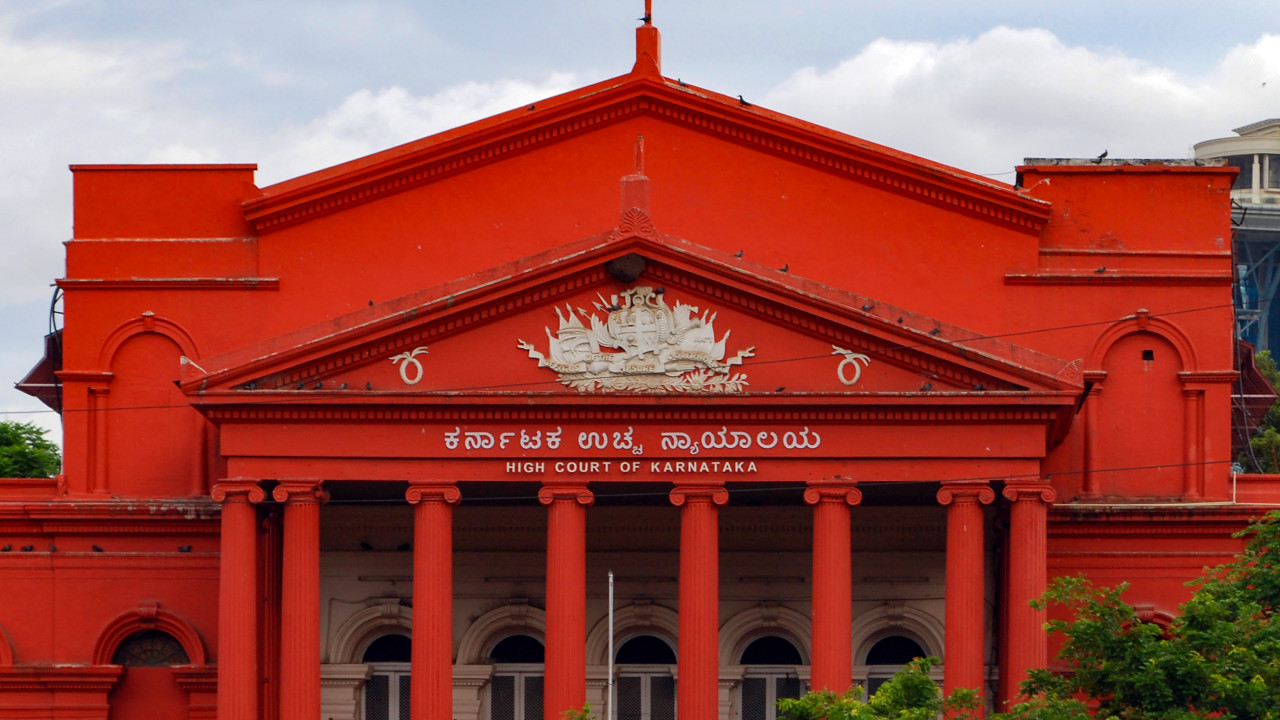
Supreme court
Supreme Court Upholds Maharashtra Government's Decision to Grant Quota to Marathas
The Supreme Court of India has upheld the Maharashtra government's decision to grant a 12% quota to the Maratha community in government jobs and education. The court observed that the decision was taken after considering the recommendations of the Backward Class Commission and was aimed at promoting social and economic equality. The court rejected the argument that the quota would exceed the 50% limit set by the Supreme Court in the Indra Sawhney case. The Maharashtra government had argued that the Maratha community was socially and economically backward and deserved reservation. The court's decision is significant as it paves the way for the implementation of the quota, which had been stayed by the Bombay High Court. The Maratha community had been demanding reservation for several years, and the court's decision is expected to bring relief to the community. The court also observed that the decision was taken after considering the parameters laid down by the Supreme Court in the Indra Sawhney case, which includes social, economic, and educational backwardness. The court's decision is also significant as it highlights the importance of social and economic equality in the country. The court's decision is expected to have far-reaching implications for the Maratha community and other backward classes in the country. The court's observation that the decision was taken after considering the recommendations of the Backward Class Commission is also significant, as it highlights the importance of the commission's recommendations in determining the backwardness of a community. The court's decision is a significant milestone in the long-drawn battle for reservation by the Maratha community, and it is expected to bring relief to the community. The court's decision is also expected to have implications for other backward classes in the country, as it highlights the importance of social and economic equality. The court's observation that the quota would not exceed the 50% limit set by the Supreme Court in the Indra Sawhney case is also significant, as it highlights the importance of adhering to the limits set by the court. The court's decision is a significant development in the country's reservation policy, and it is expected to have far-reaching implications for the country's social and economic landscape.