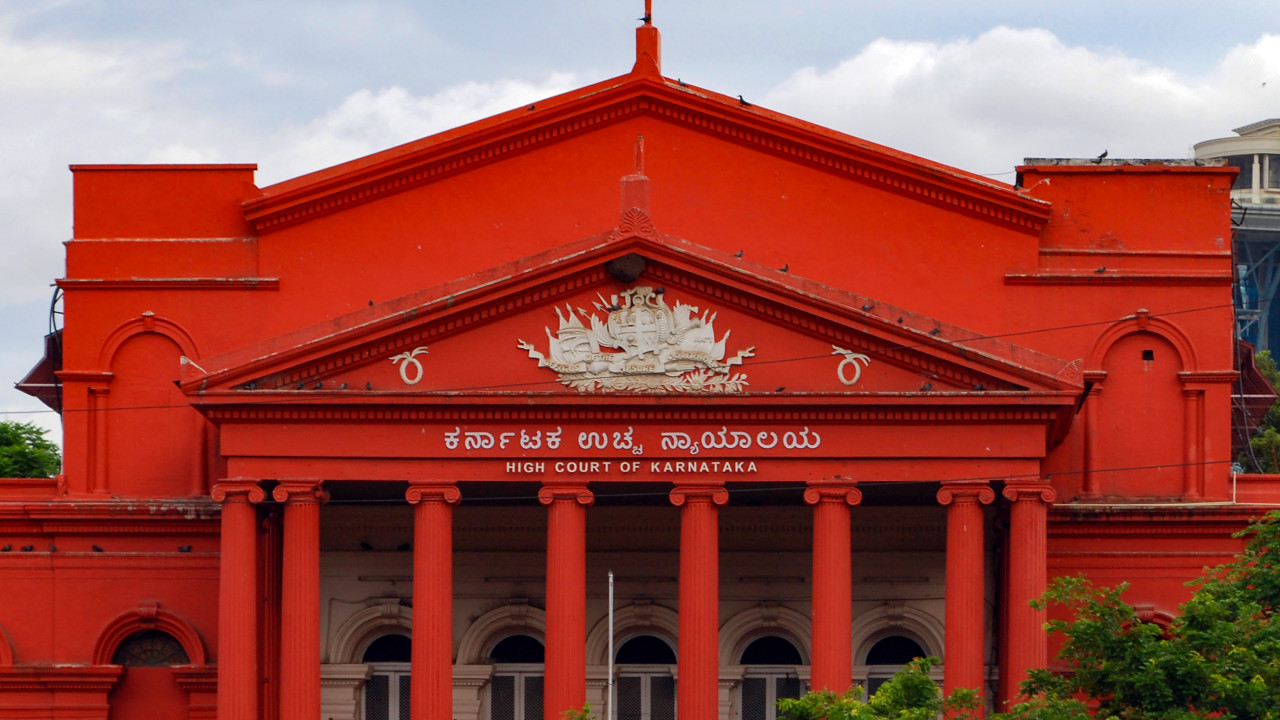
Supreme court
Supreme Court Stays Maharashtra Government's Decision to Grant 16% Quota to Marathas
The Supreme Court of India has stayed the Maharashtra government's decision to grant 16% quota to the Maratha community in government jobs and education. The court was hearing a petition filed by a group of students, who challenged the government's decision to grant the quota. A bench headed by Justice S.A. Bobde observed that the government's decision was not in line with the principles of equality and fairness. The court noted that the government had not provided sufficient data to justify the quota and that the decision was likely to affect the rights of other communities. The petitioners had argued that the quota was not justified and would lead to a violation of the rights of other communities. The court's order is significant as it has raised questions about the validity of the quota and the need for greater transparency and accountability in the decision-making process. The judgment has been welcomed by groups who had opposed the quota, who argue that it is not justified and will lead to a violation of the rights of other communities. The court's decision has also sparked a debate on the role of reservations in promoting social justice and the need for greater transparency and accountability in the decision-making process. The stay on the quota has also raised questions about the future of the quota and the impact it will have on the Maratha community. The court's emphasis on the need for sufficient data to justify the quota has highlighted the importance of evidence-based decision-making in the context of reservations. The judgment is a significant step forward in the protection of the rights of all communities and is expected to have a lasting impact on the state's reservation policy. The court's decision has also raised questions about the role of the state government in promoting social justice and the need for greater accountability in the decision-making process. The stay on the quota has also sparked a debate on the need for a more nuanced approach to reservations, one that takes into account the needs and rights of all communities. The court's order has sent a strong message that the rights of all communities must be protected and that decisions must be made in a fair and transparent manner.