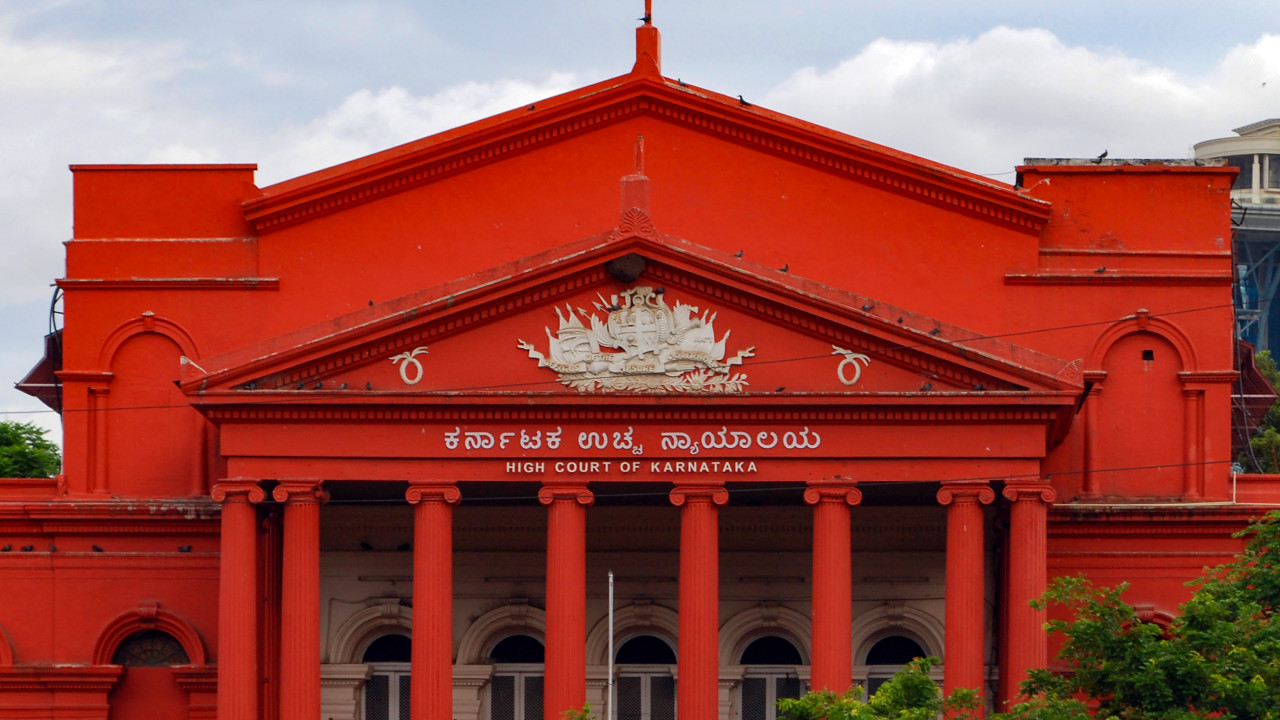
High court
Punjab and Haryana High Court Dismisses Plea Against Reservation Policy in Government Jobs
The Punjab and Haryana High Court has dismissed a plea against the reservation policy in government jobs. Background: The issue began when a petition was filed, challenging the reservation policy in government jobs. However, the court observed that the policy was justified and that it did not violate the Constitution. Parties: The petitioners were individuals who had applied for government jobs, while the respondents were the Punjab and Haryana governments. Legal issues: The main issue was whether the reservation policy was justified. Court observations: The court observed that the reservation policy was justified, and that it was necessary to promote social justice and equality. Significance: The dismissal of the plea is significant as it will allow the reservation policy to continue, affecting the recruitment process in government jobs. The court's decision will have far-reaching implications for the social justice and equality. The case is expected to be an important precedent for other courts to follow. The court's decision has been welcomed by social justice activists, who have been arguing that the reservation policy is necessary to promote social justice and equality. On the other hand, the petitioners have argued that the policy is unfair and that it violates the Constitution. The case highlights the need for a balanced approach, where the interests of both the government and individuals are taken into account. The Punjab and Haryana governments have also been directed to ensure that the reservation policy is implemented in a fair and transparent manner, and the court will monitor the progress. The outcome of the case is likely to have significant implications for the social justice and equality in India, and it will be closely watched by all stakeholders. The court's decision will also have implications for other sectors, where similar issues have been raised. In recent years, there have been several cases of reservation policies being challenged, leading to a growing trend of activism. The Punjab and Haryana High Court's decision is likely to set a precedent for other courts to follow, and it will be interesting to see how the case unfolds in the coming weeks. The court's decision is also likely to have implications for the role of the judiciary in protecting social justice and equality, and it will be closely watched by social justice experts and lawyers. The case is a significant example of the importance of judicial review in ensuring that government decisions are reasonable and justified, and that social justice and equality are protected. The Punjab and Haryana High Court's decision is a testament to the independence of the judiciary and its ability to review government decisions, and it will have far-reaching implications for the rule of law in India. The court's decision will also have implications for the implementation of social justice laws and policies, and it will be closely watched by policymakers and regulators. The case highlights the need for a coordinated approach to addressing social justice issues, and the importance of collaboration between government agencies, civil society, and the judiciary.