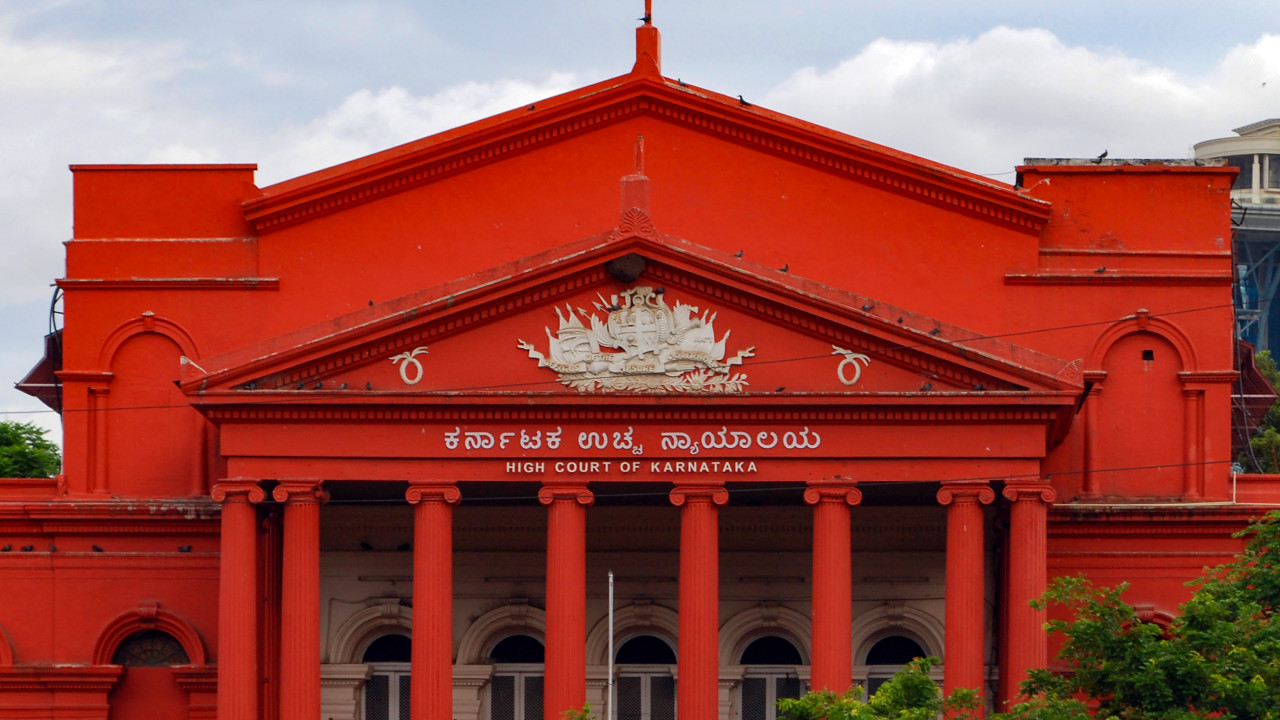
Supreme court
Supreme Court Upholds Maharashtra Government's Decision to Grant Quota to Marathas
The Supreme Court of India has upheld the Maharashtra government's decision to grant a quota to the Maratha community in government jobs and educational institutions. The court observed that the decision was taken to promote social and economic equality. The Maratha community had been demanding reservation for a long time, citing their backwardness. The Maharashtra government had passed a law granting 16% reservation to the Marathas in government jobs and educational institutions. However, the law was challenged in the Bombay High Court, which upheld the decision. The petitioners then approached the Supreme Court, arguing that the reservation was not justified. The Supreme Court, however, dismissed the petitions and upheld the Maharashtra government's decision. The court observed that the decision was taken after considering the recommendations of the Backward Class Commission and was aimed at promoting social and economic equality. The court also noted that the reservation was not exceeding the 50% limit set by the Supreme Court in the Indra Sawhney case. The decision is significant as it will benefit the Maratha community, which has been demanding reservation for a long time. The community has been facing economic and social backwardness, and the reservation is expected to help them overcome these challenges. The decision is also expected to have implications for other states, where similar demands for reservation are being made by other communities. The Supreme Court's decision is a significant development in the ongoing debate over reservation in India. While some argue that reservation is necessary to promote social and economic equality, others argue that it is not the solution to the problem. The Supreme Court's decision is expected to be studied closely by policymakers and scholars, who will analyze its implications for the country's reservation policy. The decision is also expected to be welcomed by the Maratha community, which has been fighting for reservation for a long time. The community has been facing significant challenges, including economic and social backwardness, and the reservation is expected to help them overcome these challenges. The Supreme Court's decision is a significant step towards promoting social and economic equality in India, and it is expected to have far-reaching implications for the country's reservation policy.