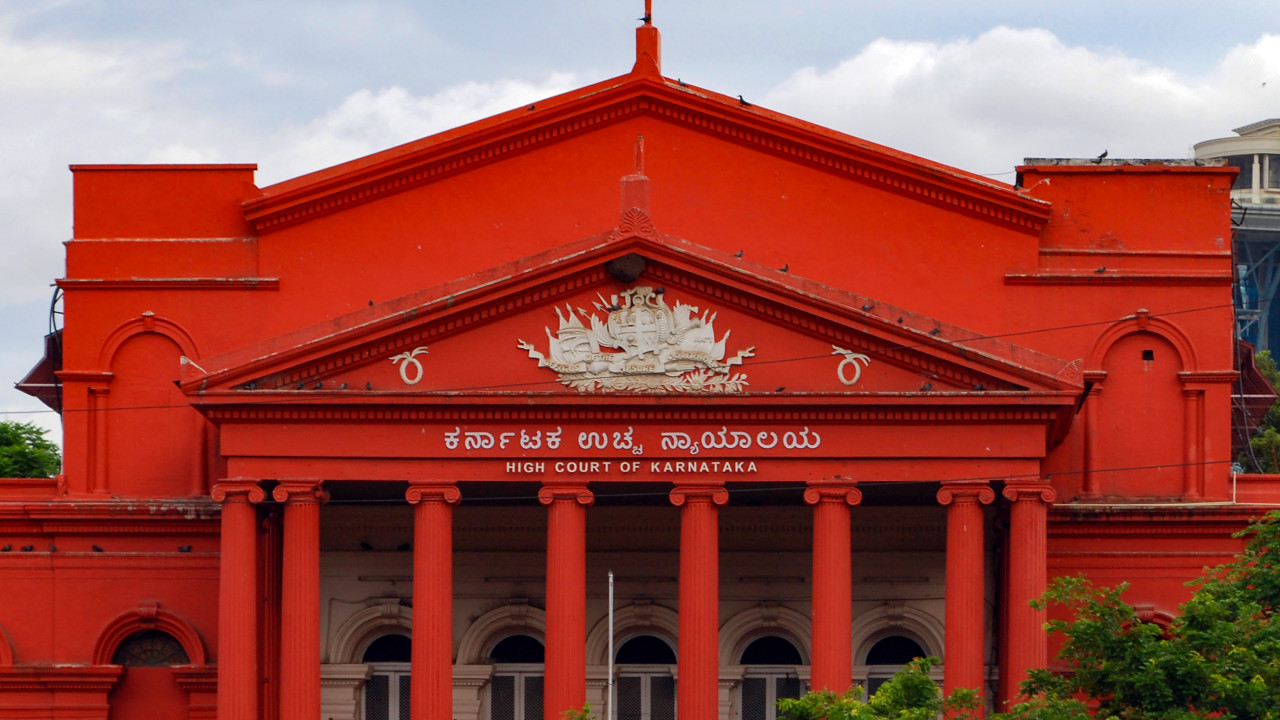
Supreme court
Supreme Court Directs Centre to Grant Permanent Commission to Women Officers in Army
The Supreme Court of India has directed the central government to grant permanent commission to women officers in the army. A bench comprising Justices D.Y. Chandrachud and Ajay Rastogi was hearing a petition filed by a group of women officers, who argued that the existing policy of granting short-service commission to women officers is discriminatory and violates their right to equality. The court observed that the policy has resulted in a glass ceiling for women officers, and that they are denied opportunities for career advancement and promotion. The bench noted that the policy is based on stereotypes and biases, and that it is not supported by any rational or logical reasoning. The court directed the centre to grant permanent commission to all women officers in the army, and to provide them with equal opportunities for career advancement and promotion. The judgment is significant, as it highlights the importance of promoting gender equality and challenging discriminatory stereotypes. The court's decision is expected to impact the lives of thousands of women officers in the army, and will help to promote diversity and inclusion in the Indian military. The judgment is also likely to impact the use of technology in Indian defense, particularly in the context of digital surveillance and cybersecurity. The court's emphasis on the need for equal opportunities for women officers highlights the importance of promoting gender equality and challenging discriminatory stereotypes in India. The court's decision is a significant step towards promoting diversity and inclusion in the Indian military, and is expected to have a lasting impact on the country's defense sector. The judgment is also likely to impact the use of executive power by the Indian government, particularly in the context of defense policy-making. Overall, the Supreme Court's decision is a significant development in the evolution of Indian law and is expected to promote gender equality and diversity in the country.