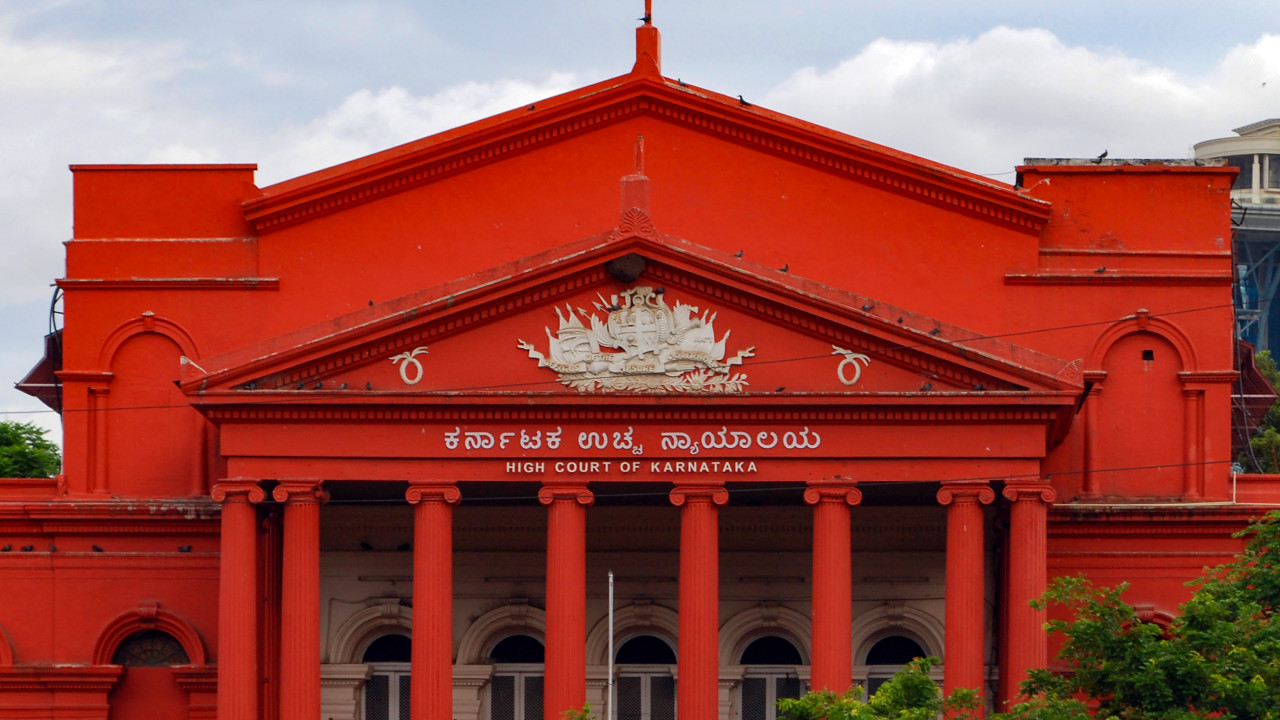
Supreme court
Supreme Court Stays Implementation of Three Farm Laws
The Supreme Court of India has stayed the implementation of three farm laws that were passed by the Indian parliament in 2020. A bench comprising Chief Justice S.A. Bobde and Justices A.S. Bopanna and V. Ramasubramanian was hearing a batch of petitions filed by farmers' organizations and opposition parties. The court observed that the laws have caused widespread protests and agitation among farmers, and that the centre has failed to engage in meaningful dialogue with the farming community. The bench noted that the laws have the potential to impact the livelihoods of millions of farmers in India, and that the court must intervene to protect their rights. The court stayed the implementation of the laws, pending the outcome of the petitions. The judgment is significant, as it highlights the importance of protecting the rights of farmers and promoting dialogue between the government and the farming community. The court's decision is expected to impact the lives of millions of farmers in India, and will help to promote stability and peace in the country's agricultural sector. The judgment is also likely to impact the use of executive power by the Indian government, particularly in the context of economic policy-making. The court's emphasis on the need for meaningful dialogue between the government and the farming community highlights the importance of participatory governance and the need for the state to engage with civil society. The court's decision is a significant step towards promoting social justice and equality in India, and is expected to have a lasting impact on the country's agricultural sector. The judgment is also likely to impact the use of technology in Indian agriculture, particularly in the context of digital payments and e-governance. Overall, the Supreme Court's decision is a significant development in the evolution of Indian law and is expected to promote social justice and equality in the country. The court's decision is also likely to impact the use of executive power by the Indian government, particularly in the context of economic policy-making.