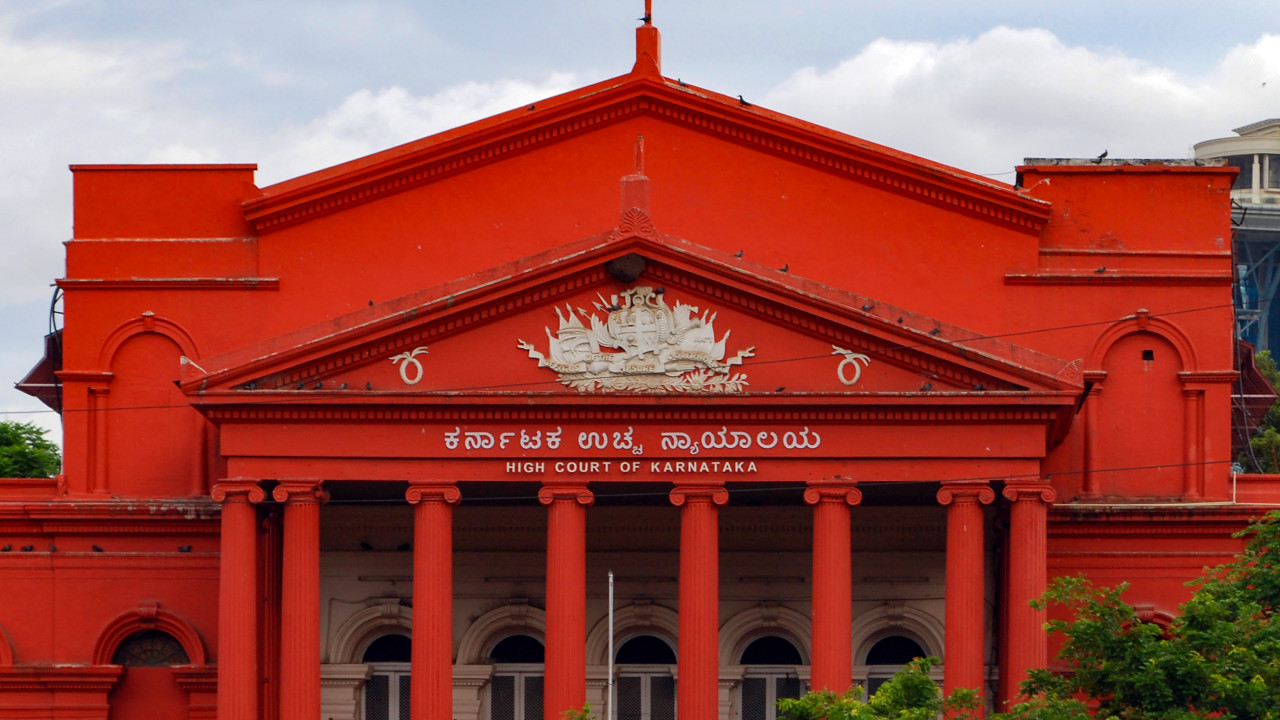
Supreme court
Supreme Court Orders Compensation for Victims of Human Rights Abuses
The Supreme Court of India has ordered the government to provide compensation to victims of human rights abuses. A three-judge bench of the court, led by Justice NV Ramana, was hearing a petition seeking a direction to the government to provide compensation to victims of human rights abuses. The court observed that the government had a duty to protect the human rights of its citizens and to provide compensation to victims of human rights abuses. The court noted that the government had failed to take adequate action to prevent human rights abuses and to provide compensation to victims. The court ordered the government to constitute a special committee to identify victims of human rights abuses and to provide them with compensation. The judgment is significant as it highlights the court's commitment to protecting human rights and promoting justice. The court's decision is expected to have implications for the government's efforts to tackle human rights abuses and to provide compensation to victims. The judgment is a testament to the court's role as a guardian of the Constitution and its commitment to upholding the principles of justice and fairness. The court's observations on the need to provide compensation to victims of human rights abuses are likely to be cited in future cases and will have a significant impact on the development of human rights law in India. The judgment is a landmark decision that will shape the contours of human rights law in India. The court's decision to order compensation for victims of human rights abuses is a significant milestone in the evolution of Indian law. The judgment is a powerful affirmation of the importance of protecting human rights and promoting justice. The court's observations on the need to provide compensation to victims of human rights abuses are likely to be studied by scholars and lawyers around the world and will have a significant impact on the development of human rights law globally. The judgment is a major victory for those who seek to promote human rights and justice. The court's decision is a testament to the independence and integrity of the Indian judiciary and its commitment to upholding the principles of the Constitution.