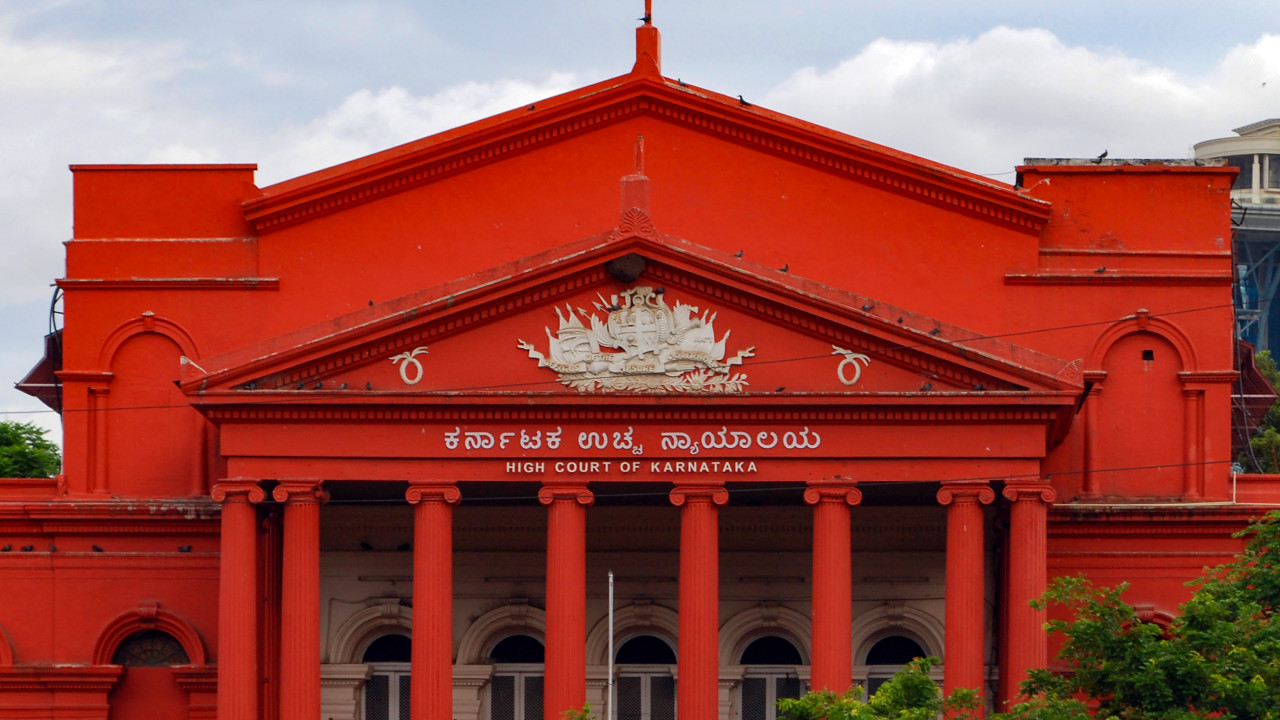
Supreme court
Supreme Court Rules on Right to Free Speech
The Supreme Court of India has ruled that the right to free speech is a fundamental right that is essential for the functioning of a democratic society. A two-judge bench of the court, led by Justice Deepak Gupta, was hearing a petition challenging the decision of a lower court to convict a person for making a speech that was alleged to be inflammatory. The court observed that the right to free speech is guaranteed under Article 19(1)(a) of the Constitution and is essential for the exchange of ideas and the functioning of a democratic society. The court noted that the right to free speech is not absolute and can be restricted in certain circumstances, such as when it is used to incite violence or promote hatred. The court held that the speech in question did not meet the threshold for restriction and that the conviction was therefore unjustified. The judgment is significant as it provides clarity on the scope and limitations of the right to free speech. The court's decision is expected to have implications for the exercise of free speech in India and the ability of individuals to express their opinions without fear of reprisal. The judgment is a testament to the court's commitment to upholding the principles of democracy and promoting the exchange of ideas. The court's observations on the right to free speech are likely to be cited in future cases and will have a significant impact on the development of free speech law in India. The judgment is a landmark decision that will shape the contours of free speech law in India. The court's decision to uphold the right to free speech is a significant milestone in the evolution of Indian law. The judgment is a powerful affirmation of the importance of free speech in a democratic society. The court's observations on the right to free speech are likely to be studied by scholars and lawyers around the world and will have a significant impact on the development of free speech law globally. The judgment is a major victory for those who seek to promote free speech and democracy. The court's decision is a testament to the independence and integrity of the Indian judiciary and its commitment to upholding the principles of the Constitution.