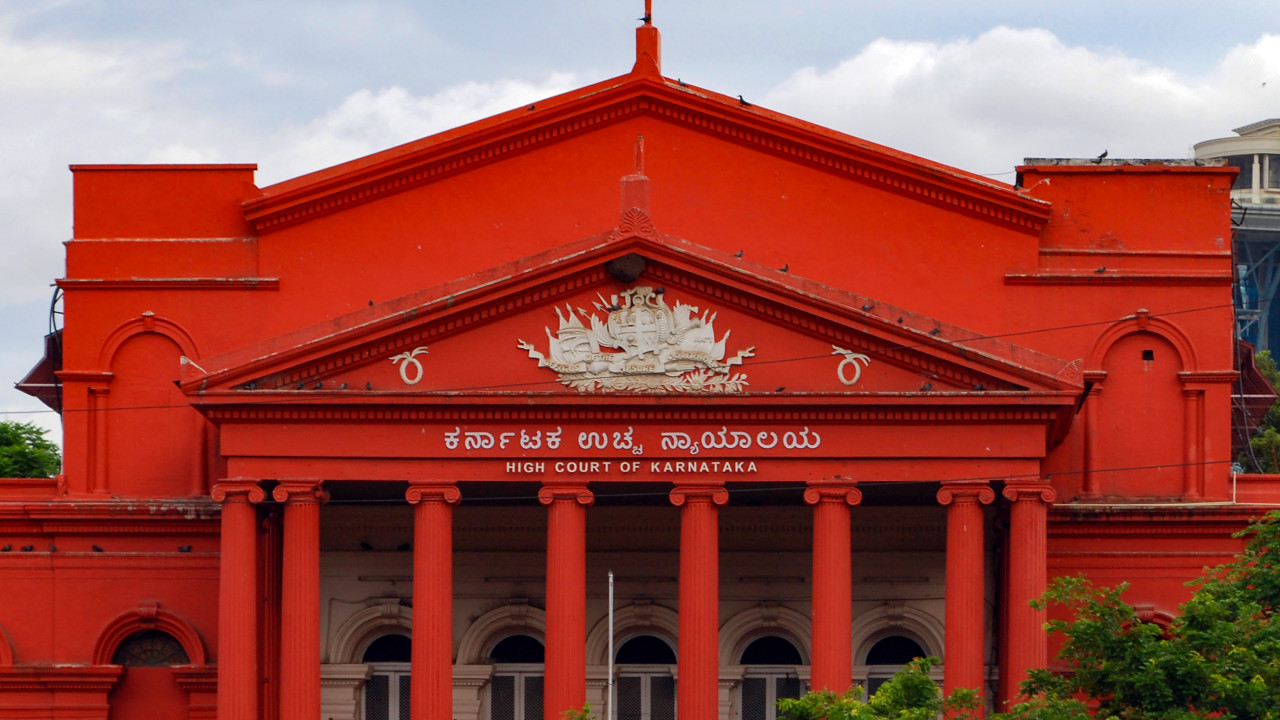
High court
Madras High Court Directs Tamil Nadu Government to Implement Reservation Policy in Universities
The Madras High Court has directed the Tamil Nadu government to implement a reservation policy in universities, providing opportunities for marginalized communities to access higher education. Background: The issue began when it was discovered that universities in Tamil Nadu were not implementing reservation policies, despite a constitutional mandate to do so. Parties: The petitioners, a group of students from marginalized communities, argued that the universities' failure to implement reservation policies was unfair and denied them access to higher education. The respondents, the Tamil Nadu government, claimed that they were taking steps to implement the reservation policy. Legal issues: The court considered the issue of whether the universities' failure to implement reservation policies was a violation of the constitutional mandate, and whether the petitioners were entitled to relief. Court observations: The court observed that the universities' failure to implement reservation policies was a clear violation of the constitutional mandate, and that the petitioners had been denied access to higher education as a result. The court also noted that the Tamil Nadu government had failed to take adequate measures to implement the reservation policy. Significance: The direction is significant as it recognizes the importance of reservation policies in promoting social justice and equality. The case highlights the need for governments to take proactive measures to implement reservation policies and provide opportunities for marginalized communities to access higher education.