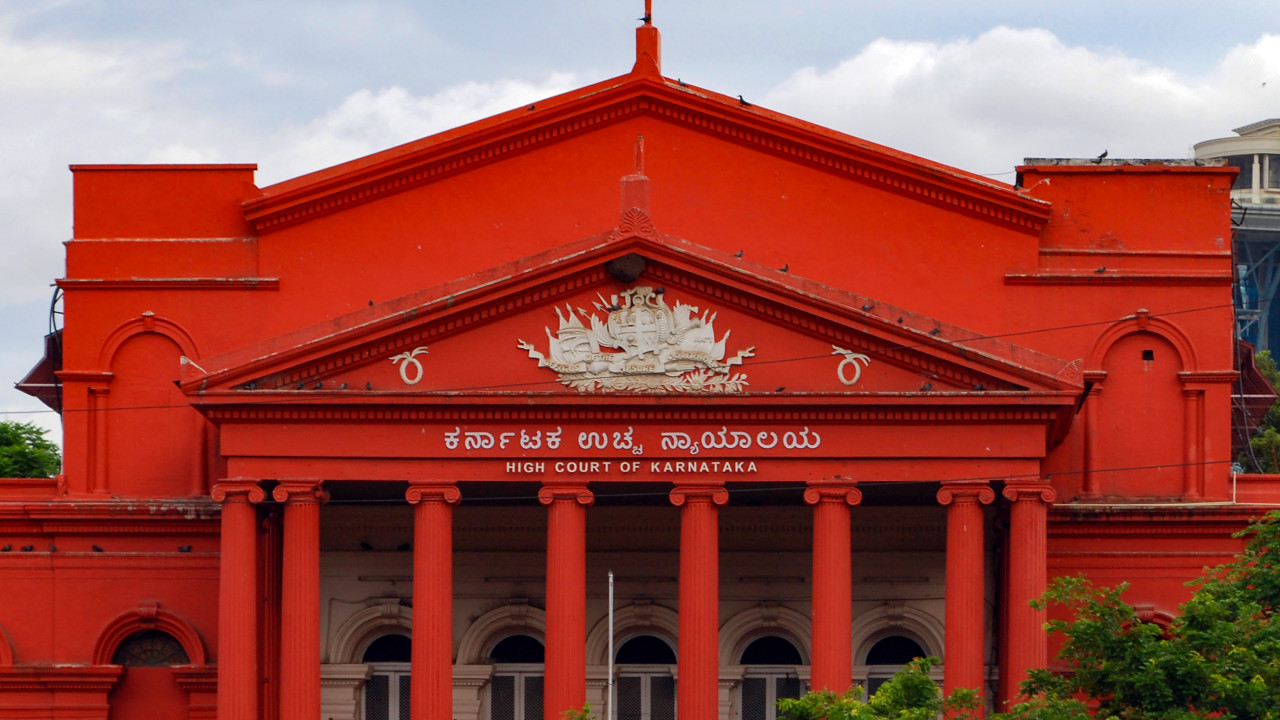
Supreme court
Supreme Court Dismisses Plea Challenging Validity of Places of Worship Act, 1991
The Supreme Court of India has dismissed a plea challenging the validity of the Places of Worship (Special Provisions) Act, 1991. Background: The case was initiated by a petition filed by a Hindu organization, which challenged the validity of the Act on the grounds that it was unconstitutional and violated the fundamental right to freedom of religion. Parties: The petitioner was represented by advocate Hari Shankar Jain, while the Union of India was represented by advocate Tushar Mehta. Legal issues: The primary issue before the court was whether the Act was in contravention of the fundamental right to freedom of religion guaranteed under Article 25 of the Constitution. The court also examined whether the Act was arbitrary and unreasonable. Court observations: The Supreme Court observed that the Act was a valid piece of legislation that aimed to promote communal harmony and protect the rights of religious minorities. The court noted that the Act did not violate the fundamental right to freedom of religion, as it only prohibited the conversion of places of worship and did not restrict the right to practice one's religion. Significance: The judgment is significant as it upholds the validity of a law that aims to promote communal harmony and protect the rights of religious minorities. The Supreme Court's decision demonstrates its commitment to upholding the constitutional values of secularism and protecting the rights of all citizens, regardless of their religion. The dismissal of the plea is expected to bring an end to the controversy surrounding the Act and promote a sense of stability and security among religious minorities.