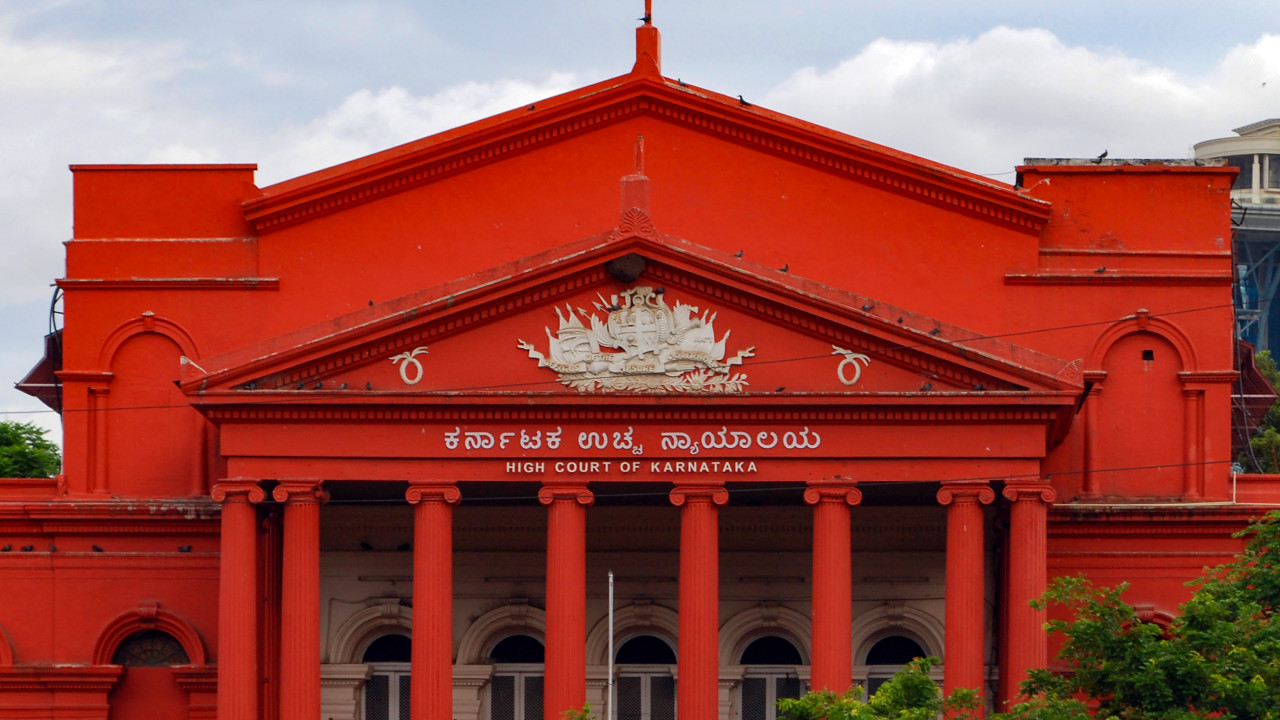
Supreme court
Supreme Court Clarifies the Scope of the Right to Freedom of Speech and Expression
The Supreme Court of India has clarified the scope of the right to freedom of speech and expression, emphasizing that this fundamental right is not absolute and is subject to reasonable restrictions. Background: The case arose from a petition challenging the constitutionality of certain provisions of the Information Technology Act, 2000, which regulate online speech. Parties: The petitioners, a group of individuals and organizations, argued that the provisions were overly broad and restrictive, while the government contended that they were necessary to maintain public order and decency. Legal issues: The court examined the balance between the right to freedom of speech and expression and the need for reasonable restrictions, considering the principles of overbreadth, vagueness, and proportionality. Court observations: The Supreme Court observed that the right to freedom of speech and expression is a fundamental right, but it is not absolute and must be balanced against other competing interests, such as public order and national security. Significance: The Supreme Court's decision will have significant implications for the exercise of free speech in India, particularly in the context of online platforms and social media. The judgment highlights the importance of striking a balance between individual freedoms and the need for reasonable restrictions, ensuring that the right to freedom of speech and expression is protected while also maintaining public order and decency. As India continues to navigate the complexities of online speech and social media, the Supreme Court's decision will serve as a crucial benchmark for evaluating the legitimacy of restrictions on free speech. Furthermore, the judgment will also impact the development of laws and regulations governing online speech, emphasizing the need for clarity, precision, and proportionality in any restrictions imposed. In conclusion, the Supreme Court's decision reinforces the importance of protecting the right to freedom of speech and expression, while also acknowledging the need for reasonable restrictions to maintain public order and decency. The judgment will contribute to the ongoing conversation on free speech, highlighting the importance of balancing individual freedoms with competing interests and promoting a more nuanced understanding of the scope and limitations of this fundamental right.