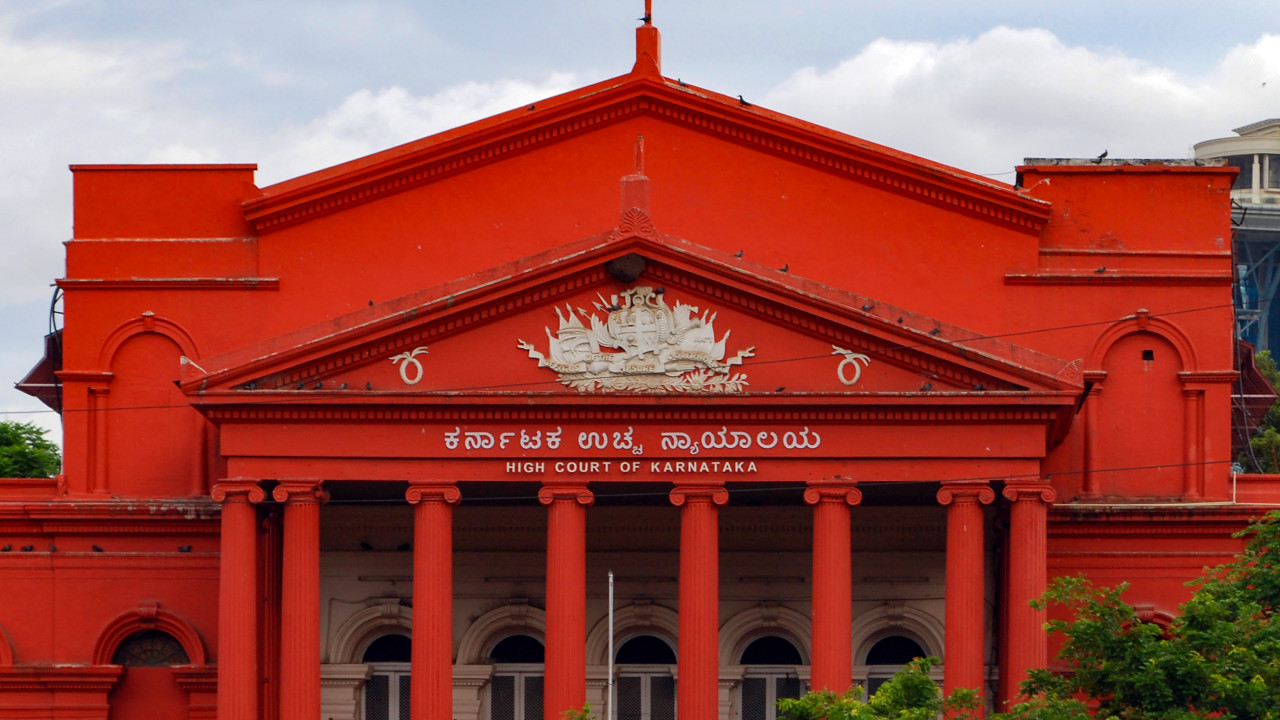
Supreme court
Supreme Court Upholds Right to Privacy as Fundamental Right in the Context of Surveillance
The Supreme Court of India has reaffirmed the right to privacy as a fundamental right in the context of surveillance, emphasizing that any infringement must meet the tests of legality, necessity, and proportionality. Background: The case arose from a petition challenging the government's surveillance measures, citing concerns over privacy and individual freedoms. Parties: The petitioners, a group of citizens, argued that the government's actions violated their right to privacy, while the government contended that surveillance was necessary for national security. Legal issues: The court examined the balance between individual privacy and national security, considering the principles of legality, necessity, and proportionality. Court observations: The Supreme Court observed that the right to privacy is an integral part of the right to life and liberty, and any infringement must be justified and proportionate. Significance: This judgment reinforces the importance of protecting individual privacy in the face of increasing surveillance and emphasizes the need for the government to ensure that any such measures are lawful, necessary, and proportionate. The court's decision will have significant implications for the development of privacy laws in India, particularly in the context of emerging technologies and national security concerns. Furthermore, the judgment highlights the importance of judicial oversight in ensuring that government actions are consistent with constitutional principles. As the Indian government continues to grapple with the challenges of balancing individual rights with national security concerns, this decision will serve as a crucial benchmark for evaluating the legitimacy of surveillance measures. In conclusion, the Supreme Court's decision upholds the fundamental right to privacy, emphasizing the need for the government to respect individual autonomy and dignity in the face of emerging technologies and national security concerns.