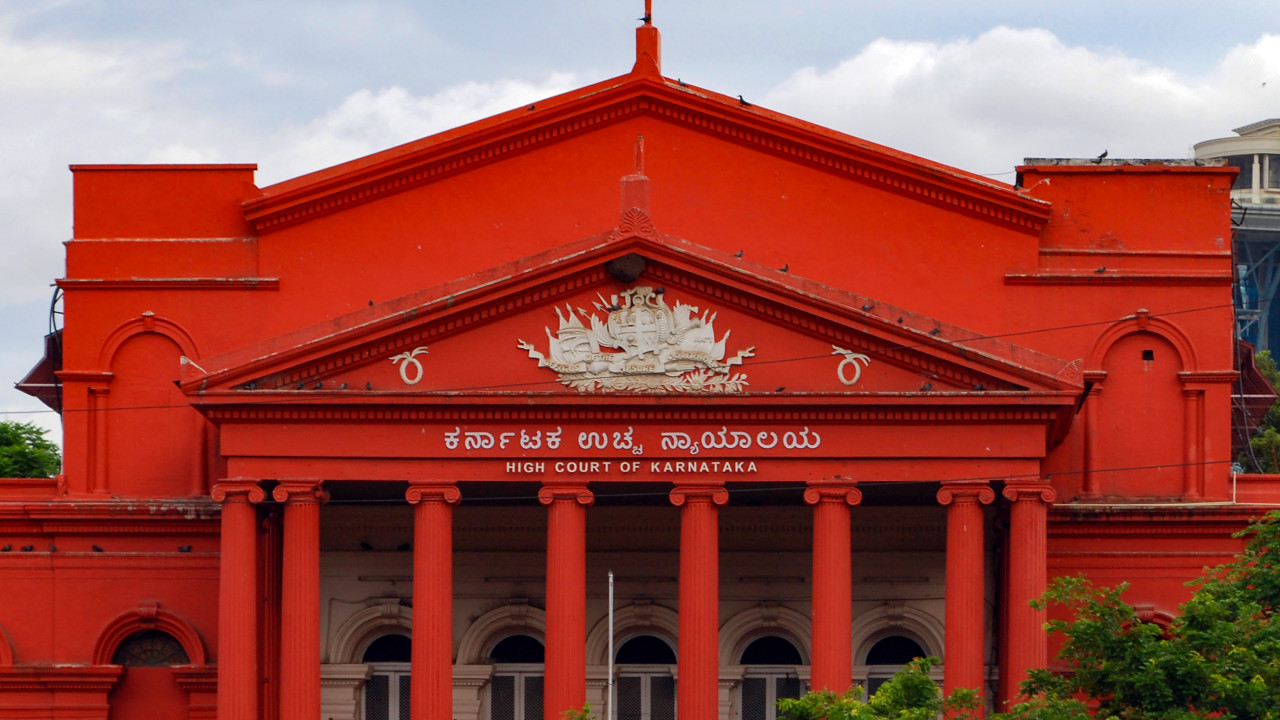
High court
Bombay High Court Orders Maharashtra Government to Pay Compensation to Farmers Affected by Unseasonal Rains
The Bombay High Court recently ordered the Maharashtra government to pay compensation to farmers who were affected by unseasonal rains in the state. The court was hearing a petition filed by a group of farmers who had suffered losses due to the unseasonal rains and had not received any compensation from the government. The petitioners argued that the government had failed to provide them with adequate compensation and relief, despite their repeated requests. The court observed that the government had a responsibility to provide compensation to farmers who had suffered losses due to natural disasters, and that the failure to do so was a violation of their fundamental rights. The court ordered the government to pay compensation to the farmers within a period of six weeks and also directed the government to take steps to prevent such losses in the future. The judgment is significant as it highlights the importance of the government's responsibility to provide compensation to farmers who have suffered losses due to natural disasters. The court's decision is a reflection of the judiciary's role in ensuring that the government is held accountable for its actions and that the rights of citizens are protected. The case is a significant example of the judiciary's role in ensuring that the government is held accountable for its actions and that the rights of citizens are protected. The judgment is likely to have significant implications for the future and will be closely watched by legal experts and scholars. The court's decision is a significant development in the context of the ongoing debate on the role of the judiciary in ensuring that the government is held accountable for its actions. The case highlights the importance of the judiciary in ensuring that the government is held accountable for its actions and that the rights of citizens are protected. The judgment is a significant reflection of the judiciary's commitment to upholding the rule of law and ensuring that the government is held accountable for its actions. The court's decision is likely to have significant implications for the future and will be closely watched by legal experts and scholars. The case is a significant example of the judiciary's role in ensuring that the government is held accountable for its actions and that the rights of citizens are protected. The judgment is a significant development in the context of the ongoing debate on the role of the judiciary in ensuring that the government is held accountable for its actions. The court's decision is a reflection of the judiciary's commitment to upholding the rule of law and ensuring that the government is held accountable for its actions. The case highlights the importance of the judiciary in ensuring that the government is held accountable for its actions and that the rights of citizens are protected. The judgment is likely to have significant implications for the future and will be closely watched by legal experts and scholars. The court's decision is a significant example of the judiciary's role in ensuring that the government is held accountable for its actions and that the rights of citizens are protected. The case is a significant development in the context of the ongoing debate on the role of the judiciary in ensuring that the government is held accountable for its actions. The judgment is a significant reflection of the judiciary's commitment to upholding the rule of law and ensuring that the government is held accountable for its actions. The court's decision is likely to have significant implications for the future and will be closely watched by legal experts and scholars.