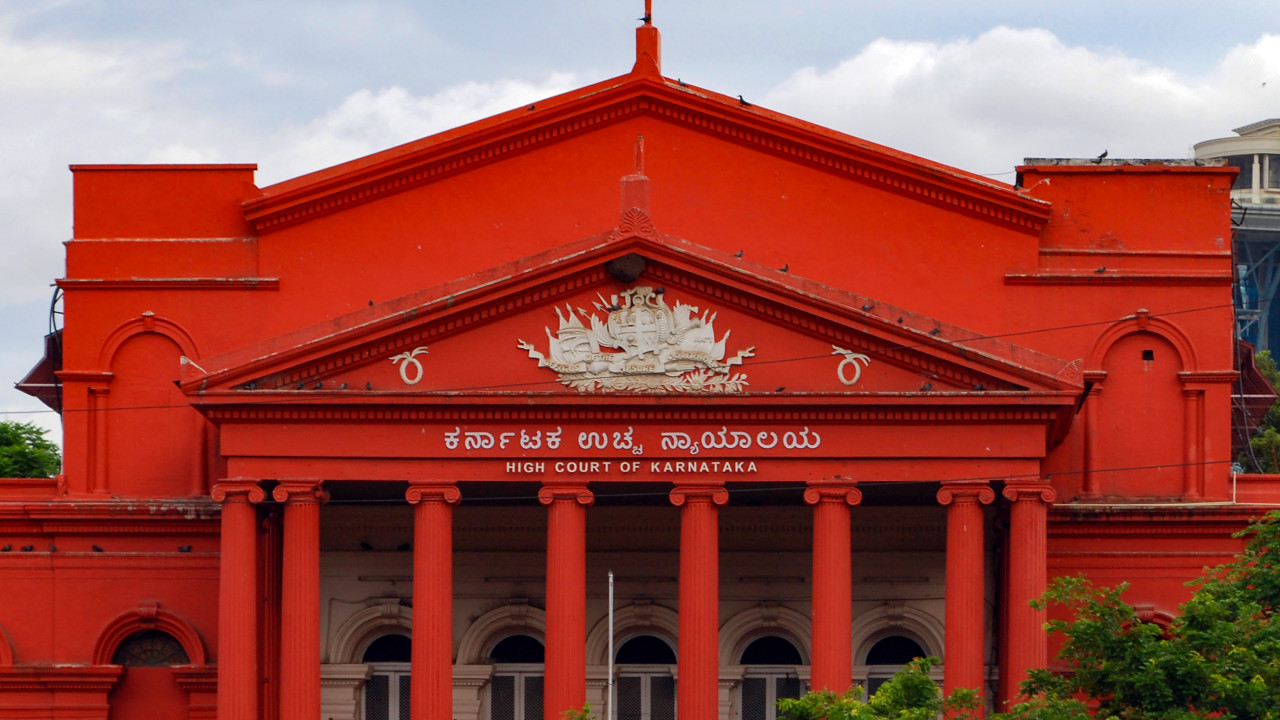
High court
Allahabad High Court Dismisses Petition Challenging UP Government's Decision to Cancel Holidays on Eid-Milad-Un-Nabi
The Allahabad High Court recently dismissed a petition challenging the Uttar Pradesh government's decision to cancel holidays on Eid-Milad-Un-Nabi. The petitioner argued that the cancellation of the holiday was arbitrary and violated the fundamental rights of Muslims in the state. However, the court observed that the decision was taken by the government in accordance with the law and did not find any merit in the petition. The court also noted that the government had taken the decision to cancel the holiday in view of the prevailing COVID-19 pandemic and the need to maintain law and order in the state. The petitioner had contended that the cancellation of the holiday would cause hardship to Muslims in the state who would not be able to celebrate the festival with their families. The court, however, did not agree with this contention and held that the decision was taken in the larger public interest. The judgment is significant as it upholds the government's decision to cancel the holiday and emphasizes the need to maintain law and order in the state. The court's decision is also a reflection of the judiciary's role in balancing individual rights with the larger public interest. The case highlights the importance of the judiciary in ensuring that the government's decisions are not arbitrary and are taken in accordance with the law. The court's decision is likely to have implications for similar cases in the future where the government's decisions are challenged on the grounds of arbitrariness. The judgment is a significant development in the context of the ongoing debate on the role of the judiciary in ensuring that the government's decisions are not arbitrary and are taken in the larger public interest. The court's decision is a reflection of the judiciary's commitment to upholding the rule of law and ensuring that the government's decisions are not arbitrary. The case is a significant example of the judiciary's role in ensuring that the government's decisions are taken in accordance with the law and do not violate the fundamental rights of citizens. The judgment is likely to have significant implications for the future and will be closely watched by legal experts and scholars. The court's decision is a significant development in the context of the ongoing debate on the role of the judiciary in ensuring that the government's decisions are not arbitrary and are taken in the larger public interest. The case highlights the importance of the judiciary in ensuring that the government's decisions are not arbitrary and are taken in accordance with the law. The judgment is a significant reflection of the judiciary's commitment to upholding the rule of law and ensuring that the government's decisions are not arbitrary. The court's decision is likely to have significant implications for the future and will be closely watched by legal experts and scholars. The case is a significant example of the judiciary's role in ensuring that the government's decisions are taken in accordance with the law and do not violate the fundamental rights of citizens. The judgment is a significant development in the context of the ongoing debate on the role of the judiciary in ensuring that the government's decisions are not arbitrary and are taken in the larger public interest. The court's decision is a reflection of the judiciary's commitment to upholding the rule of law and ensuring that the government's decisions are not arbitrary. The case highlights the importance of the judiciary in ensuring that the government's decisions are not arbitrary and are taken in accordance with the law. The judgment is likely to have significant implications for the future and will be closely watched by legal experts and scholars. The court's decision is a significant example of the judiciary's role in ensuring that the government's decisions are taken in accordance with the law and do not violate the fundamental rights of citizens. The case is a significant development in the context of the ongoing debate on the role of the judiciary in ensuring that the government's decisions are not arbitrary and are taken in the larger public interest. The judgment is a significant reflection of the judiciary's commitment to upholding the rule of law and ensuring that the government's decisions are not arbitrary. The court's decision is likely to have significant implications for the future and will be closely watched by legal experts and scholars.