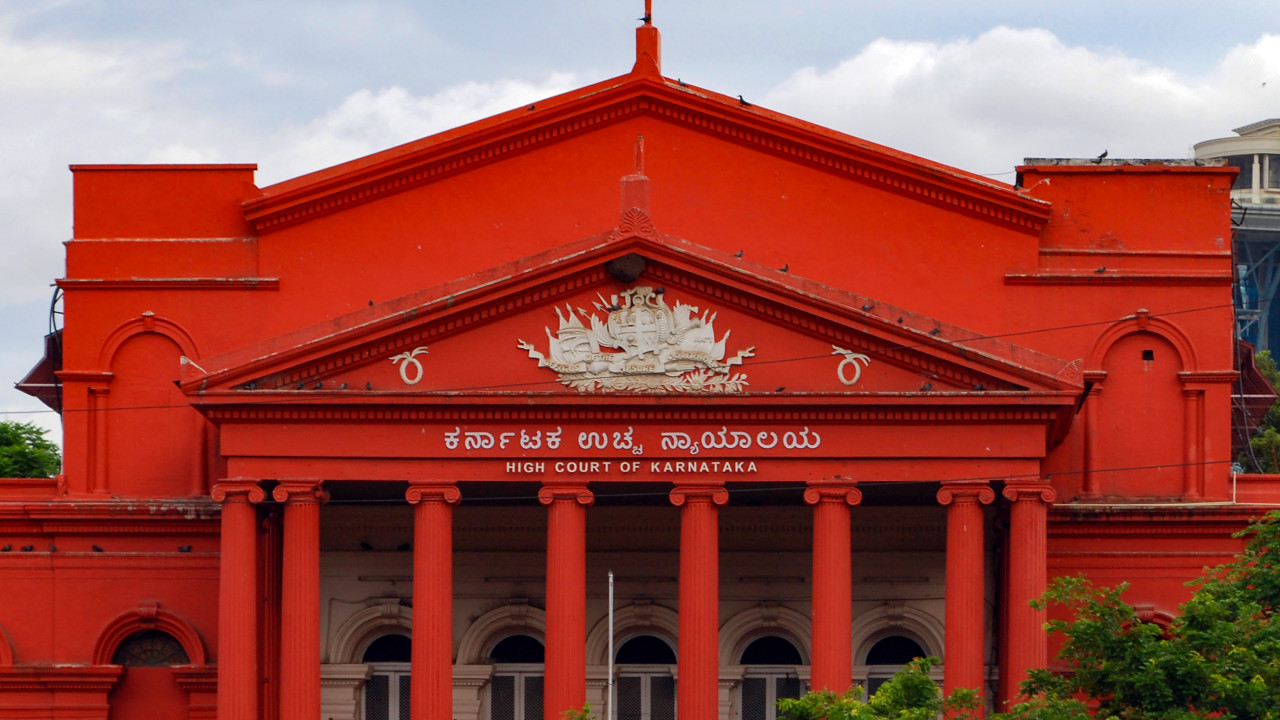
Supreme court
SC Seeks Centre's Response on Plea for Framing of Guidelines for Media Reporting
The Supreme Court of India has sought the central government's response on a plea seeking the framing of guidelines for media reporting. The order, passed by a bench comprising Justices DY Chandrachud and Hima Kohli, noted that the petitioners had raised important questions about the need for responsible media reporting and the protection of individual rights. The petitioners had argued that the media often reports on sensitive matters without verifying the facts, and that this can lead to the violation of individual rights and the spread of misinformation. The Supreme Court has given the central government four weeks to respond to the plea, and has posted the matter for further hearing after six weeks. The Court's decision is significant, as it highlights the importance of responsible media reporting and the need for guidelines to ensure that individual rights are protected. The framing of guidelines for media reporting has been a contentious issue in India, with many arguing that it is necessary to ensure that the media reports responsibly and accurately, while others argue that it will lead to censorship and the erosion of press freedom. The Supreme Court's decision to seek the central government's response on the matter suggests that the Court is keen to ensure that the media reports responsibly and that individual rights are protected. The posting of the matter for further hearing after six weeks will give the parties involved time to prepare their arguments and for the Court to consider the matter in detail. The Supreme Court's decision will have significant implications for the media and individual rights in India, and it remains to be seen how the government will respond to the issue. The Court's observation that the petitioners had raised important questions about the need for responsible media reporting is noteworthy, as it suggests that the Court is keen to ensure that the media reports responsibly and that individual rights are protected.