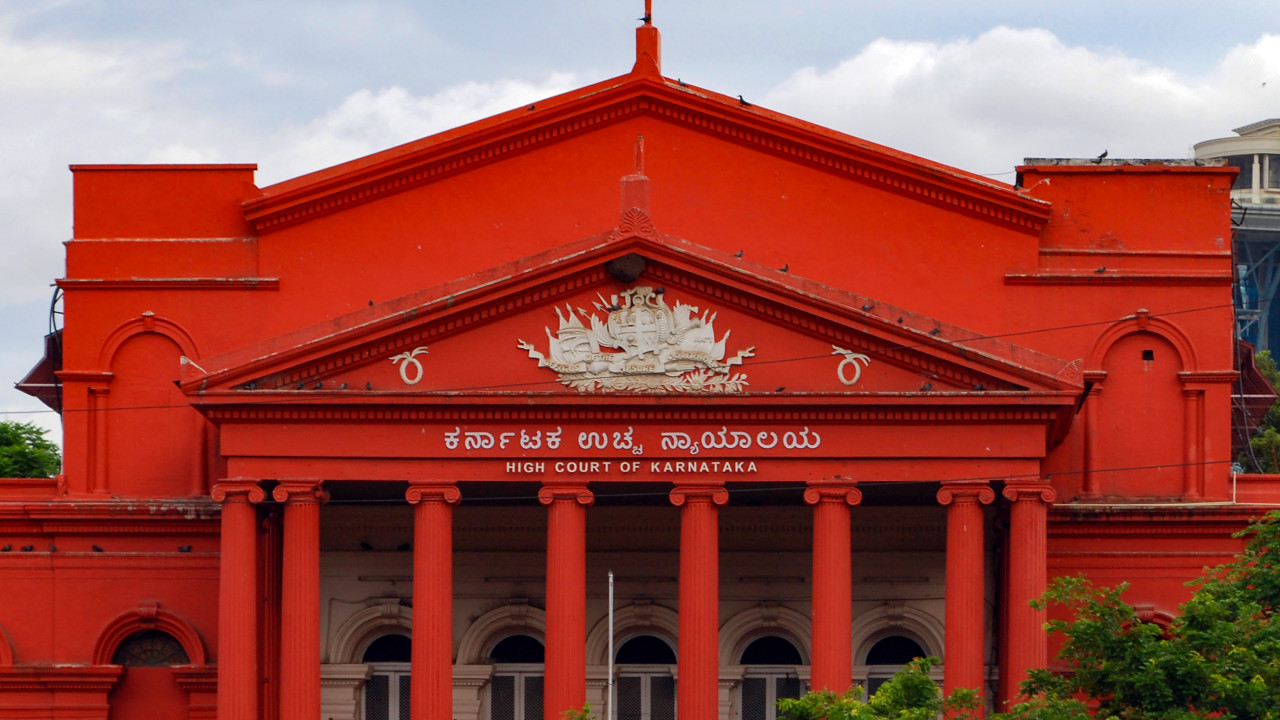
Supreme court
SC Stays HC Order Allowing Private Schools to Charge Fees for Online Classes
The Supreme Court of India has stayed a High Court order that allowed private schools to charge fees for online classes. The order, passed by a bench comprising Justices AM Khanwilkar and CT Ravikumar, noted that the High Court had not considered the larger public interest while allowing private schools to charge fees for online classes. The petitioners had argued that the charging of fees for online classes was arbitrary and unfair, and that it was the duty of the Court to ensure that the fundamental rights of citizens are protected. The Supreme Court has given the parties involved four weeks to respond to the plea, and has posted the matter for further hearing after six weeks. The Court's decision is significant, as it highlights the need for a balance between the right to education and the right to property. The charging of fees for online classes has been a contentious issue in India, with many arguing that it is necessary to ensure that private schools are able to provide quality education, while others argue that it will lead to the exploitation of parents and students. The Supreme Court's decision to stay the High Court order suggests that the Court is keen to ensure that the rights of all stakeholders, including parents and students, are protected. The posting of the matter for further hearing after six weeks will give the parties involved time to prepare their arguments and for the Court to consider the matter in detail. The Supreme Court's decision will have significant implications for the education sector in India, and it remains to be seen how the Court will ultimately decide on the matter. The Court's observation that the High Court had not considered the larger public interest is noteworthy, as it suggests that the Court is keen to ensure that the rights of all citizens are protected. The Court's decision to give the parties involved four weeks to respond to the plea will give them time to prepare their arguments and for the Court to consider the matter in detail.