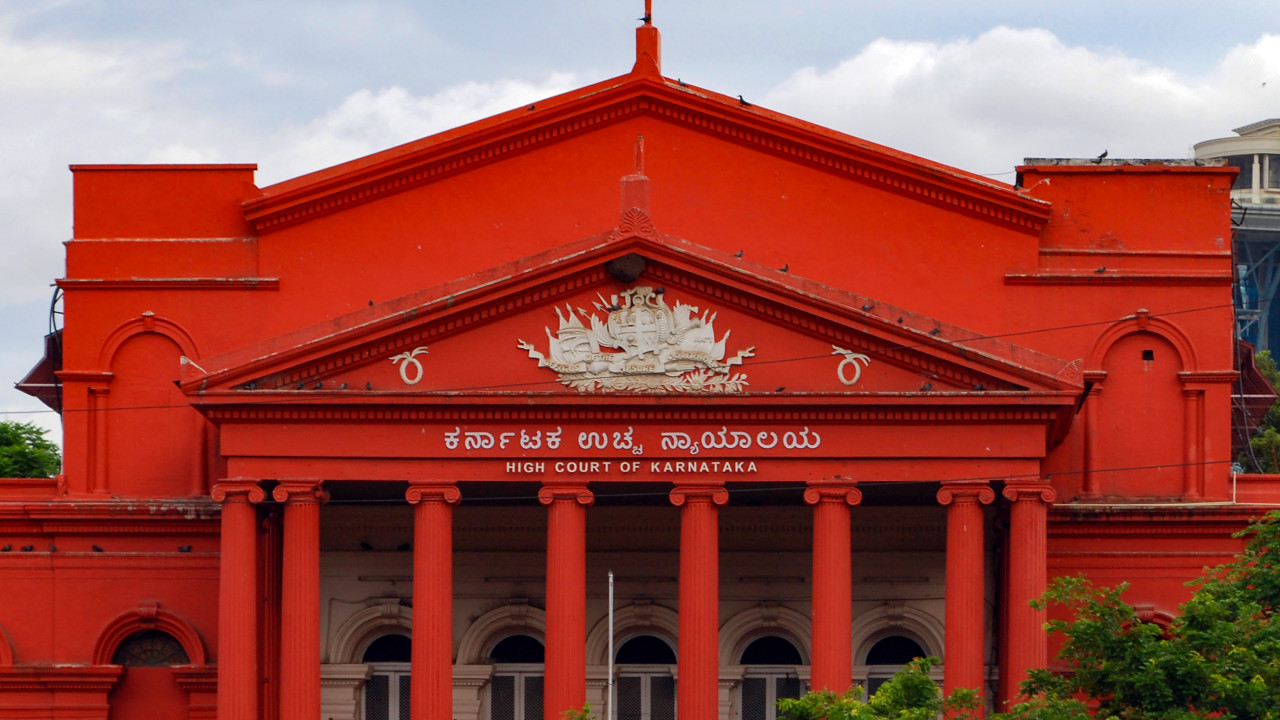
High court
Gujarat High Court Stays Demolition of Slum Dwellings in Ahmedabad
Background: The Gujarat High Court recently heard a petition filed by slum dwellers, seeking to stay the demolition of their dwellings in Ahmedabad. Parties: The petition was filed by the slum dwellers, while the respondents included the Ahmedabad Municipal Corporation and the State Government. Legal issues: The primary issue before the court was whether the demolition of the slum dwellings was valid, given that the slum dwellers had not been provided with alternative accommodation. Court observations: The Gujarat High Court stayed the demolition, observing that the slum dwellers had not been provided with alternative accommodation. The court noted that the demolition would render the slum dwellers homeless. Significance: The court's order is significant, as it highlights the need for the authorities to ensure that slum dwellers are provided with alternative accommodation before their dwellings are demolished. The case underscores the importance of protecting the rights of slum dwellers and ensuring that they are not rendered homeless. The Gujarat High Court's decision is likely to have a positive impact on the slum dwellers, as it protects their right to shelter. The court has directed the authorities to provide alternative accommodation to the slum dwellers before demolishing their dwellings. The case has sparked a debate about the need for the authorities to prioritize the rights of slum dwellers and to ensure that they are provided with adequate housing. The slum dwellers have welcomed the court's order, stating that it will protect their right to shelter. The Ahmedabad Municipal Corporation has assured the court that it will take immediate action to provide alternative accommodation to the slum dwellers. The case is likely to be closely watched, as it has significant implications for the rights of slum dwellers in Gujarat. The court's order is a significant step towards ensuring that slum dwellers are provided with adequate housing and that their rights are protected.