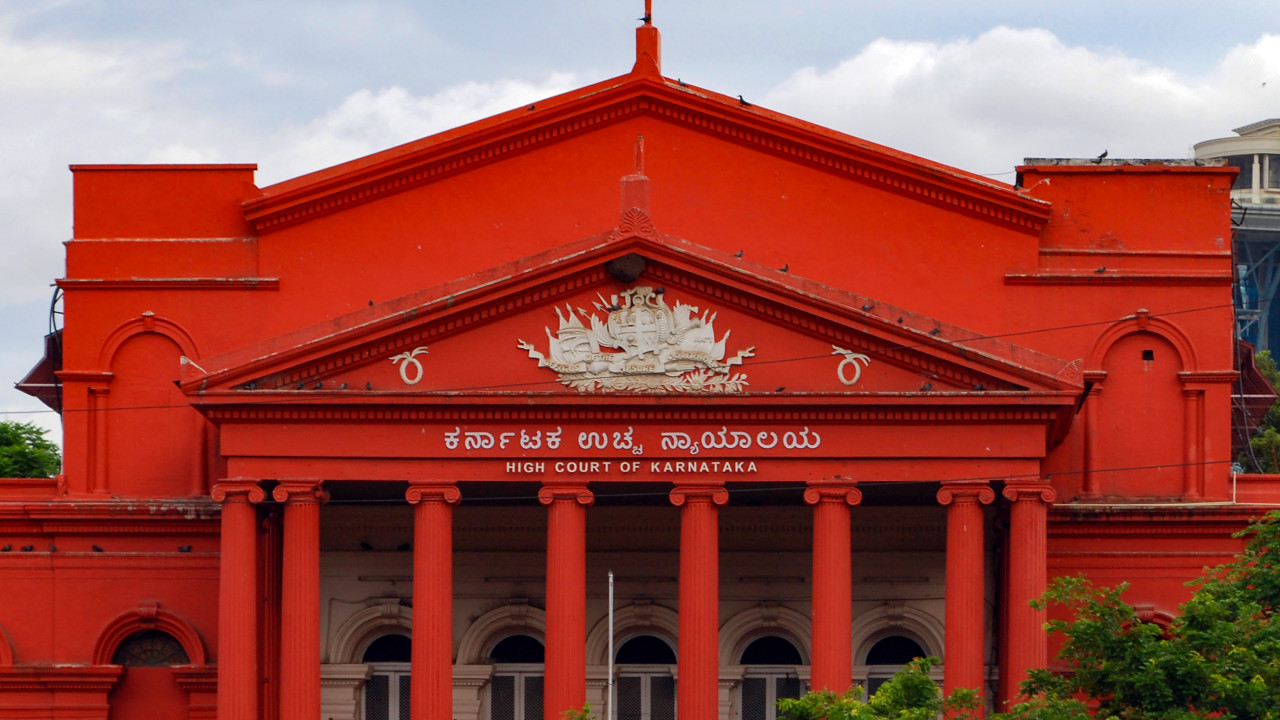
Supreme court
Supreme Court Orders Probe into Alleged Extra-Judicial Killings in Manipur
The Supreme Court of India has ordered a probe into alleged extra-judicial killings in Manipur, a state in northeastern India. The Court was hearing a petition filed by a group of human rights activists, who alleged that the security forces in Manipur had carried out a series of extra-judicial killings, particularly in the context of the armed conflict between the government and militant groups. The petitioners argued that the killings were a violation of the right to life, and that the government had failed to investigate and prosecute those responsible. The Court observed that the allegations were serious, and that an independent investigation was necessary to determine the truth. The Court appointed a commission to investigate the allegations, and directed the government to provide all necessary assistance and cooperation. The judgment has significant implications for human rights and the rule of law in India. The Court's emphasis on the need for an independent investigation highlights the importance of accountability and transparency in the use of force by security agencies. The judgment is also likely to have implications for the ongoing debate on the use of the Armed Forces (Special Powers) Act, 1958, which grants special powers to security forces in areas designated as 'disturbed'. The Act has been criticized for its potential to lead to human rights abuses, and the Court's judgment may lead to increased scrutiny of its application. Furthermore, the judgment may have implications for the government's policies on counter-insurgency and national security, and may lead to a re-evaluation of the role of security agencies in maintaining law and order. Overall, the judgment is a significant milestone in the protection of human rights in India, and is likely to have a lasting impact on the country's governance and regulatory framework. The Court's emphasis on the need for accountability and transparency is likely to lead to increased public awareness and engagement on issues related to human rights and the rule of law.