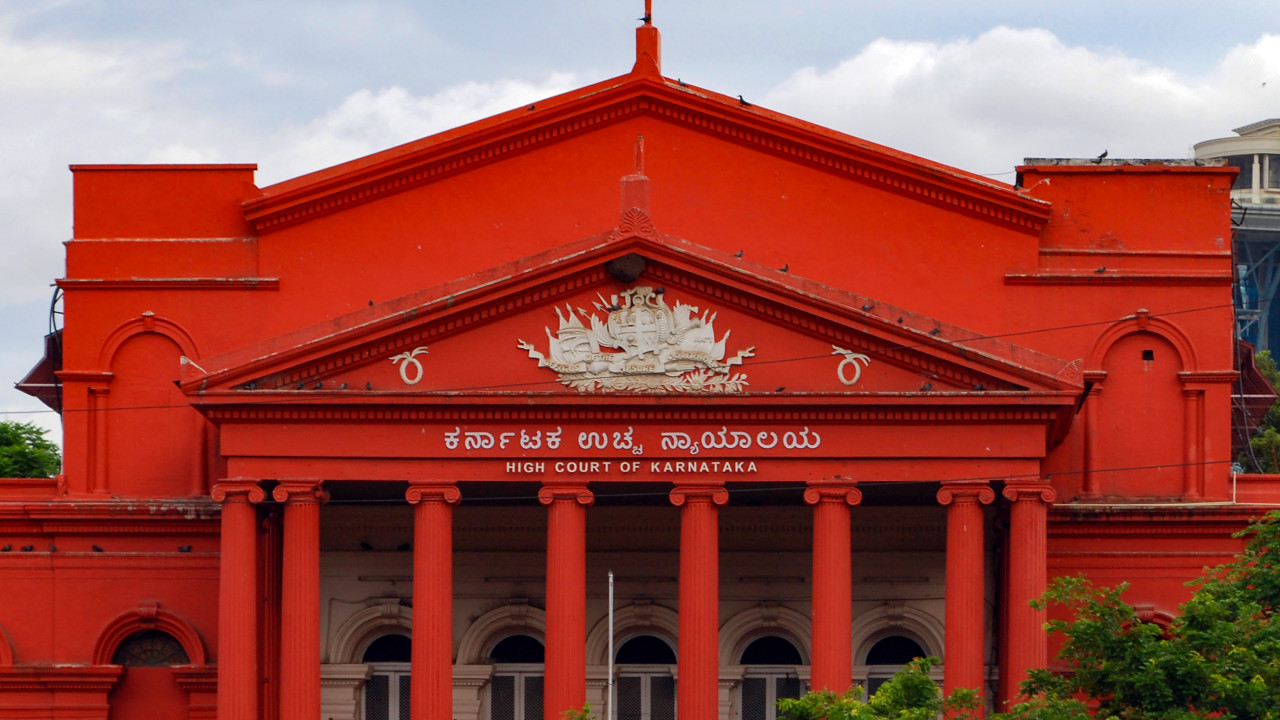
Supreme court
Supreme Court Orders Government to Frame Policy for Rehabilitation of Manual Scavengers
The Supreme Court of India has ordered the government to frame a policy for the rehabilitation of manual scavengers. The court was hearing a petition filed by a group of manual scavengers who challenged the government's failure to provide them with alternative employment and rehabilitation. The court observed that the practice of manual scavenging was a violation of human dignity and fundamental rights, and that the government had a constitutional obligation to eliminate it. The court directed the government to frame a policy for the rehabilitation of manual scavengers, including providing them with alternative employment, education, and training. The court also ordered the government to take steps to eliminate the practice of manual scavenging, including by providing modern sanitation facilities and implementing laws and regulations to prevent the employment of manual scavengers. The judgment has significant implications for the rights of manual scavengers, who have historically been marginalized and excluded from mainstream society. The court's decision is expected to have far-reaching consequences for the social and economic empowerment of manual scavengers, who have been denied basic human dignity and rights. The judgment has been welcomed by human rights groups and activists, who argue that it will help to promote social justice and challenge discriminatory practices and norms. However, some critics have argued that the judgment may create uncertainty and complexity in the law, particularly in cases where there are multiple stakeholders and interests involved. The Supreme Court's ruling is a significant development in the effort to eliminate manual scavenging and promote social justice in India, and its implications will be closely watched in the coming months and years. The court's decision is also expected to influence the development of policies and laws governing sanitation and employment in India, which are currently in the process of being reviewed and revised. The judgment has been hailed as a major victory for human rights, and is seen as a significant step forward in the fight against social injustice and discrimination in India.