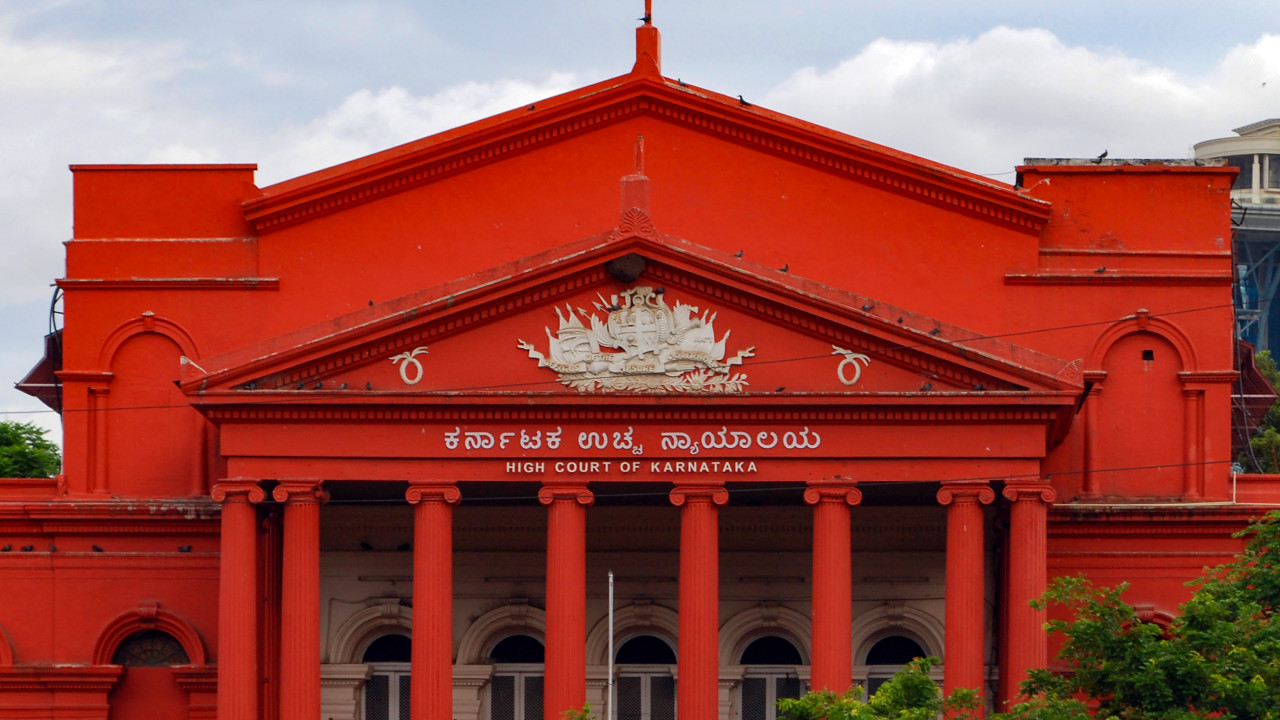
Supreme court
Supreme Court Upholds Right to Privacy as Fundamental Right
The Supreme Court of India, in a landmark judgment, has reaffirmed the right to privacy as a fundamental right under the Constitution of India. A nine-judge bench, led by Chief Justice J.S. Khehar, ruled that the right to privacy is an intrinsic part of the right to life and liberty under Article 21 of the Constitution. The court observed that the right to privacy is not absolute and may be restricted by the state in certain circumstances. The judgment has significant implications for the protection of individual privacy in the digital age. The court also noted that the right to privacy is not limited to physical spaces, but also extends to digital platforms and online activities. The judgment is expected to have far-reaching consequences for data protection and surveillance laws in India. The court's decision has been welcomed by civil liberties groups and privacy advocates, who argue that it will help to protect individuals from unwarranted state surveillance and data breaches. However, some critics have argued that the judgment may create uncertainty and ambiguity in certain areas, such as national security and law enforcement. The Supreme Court's judgment is a significant development in the evolution of the right to privacy in India, and its implications will be closely watched in the coming months and years. The court's decision is also expected to influence the development of data protection laws in India, which are currently in the process of being drafted. The judgment has been hailed as a major victory for individual freedom and autonomy, and is seen as a significant step forward in the protection of human rights in India. The Supreme Court's ruling has also sparked a debate about the need for a comprehensive data protection law in India, which would provide clear guidelines and safeguards for the collection, storage, and use of personal data. The court's judgment is a significant milestone in the development of the right to privacy in India, and its impact will be felt for years to come.