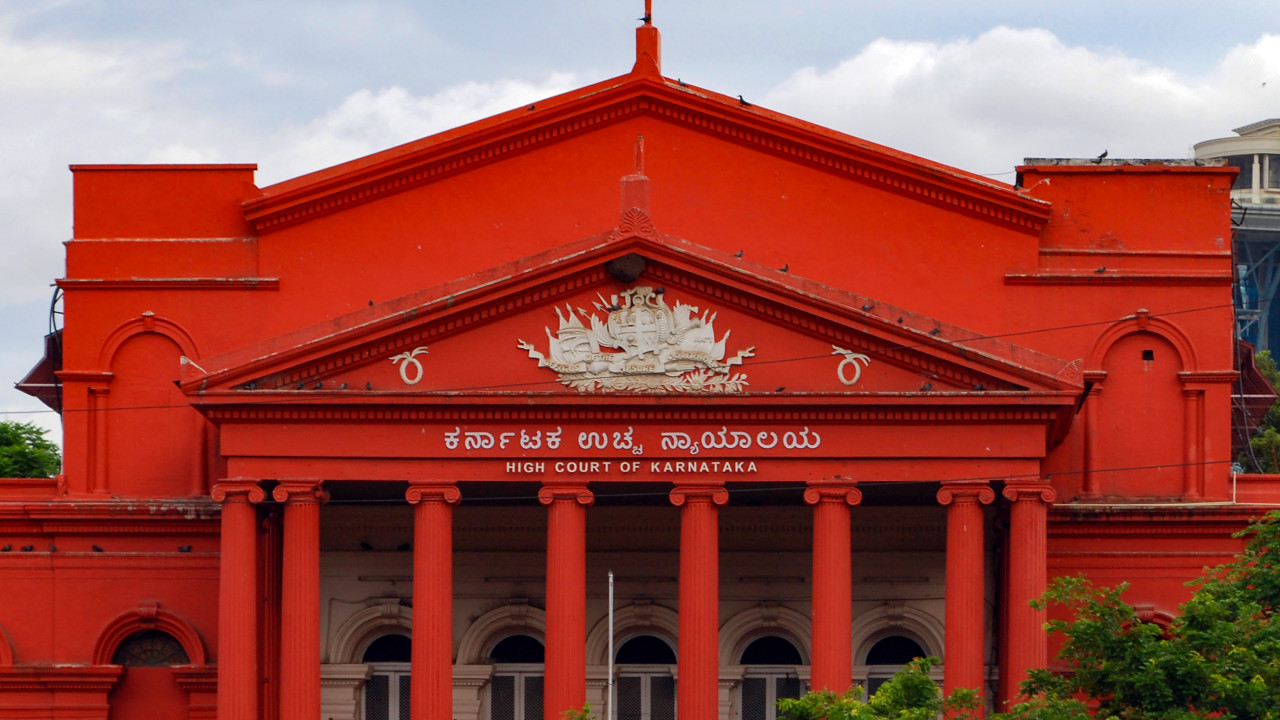
Supreme court
Supreme Court Rules on the Issue of Reservation in Promotions in Government Jobs
The Supreme Court of India has ruled on the issue of reservation in promotions in government jobs, holding that the principle of reservation applies to promotions as well. The court observed that the principle of reservation is a constitutional principle and is applicable to all aspects of public employment, including promotions. The judgment was delivered in a batch of petitions filed by government employees, who challenged the policy of reservation in promotions. The petitioners argued that the policy of reservation in promotions was unconstitutional and violated the principle of equality. The court, however, held that the principle of reservation is a constitutional principle and is applicable to all aspects of public employment, including promotions. The court also laid down guidelines for the implementation of reservation in promotions, including the requirement of adequate representation of reserved categories in the promotion process. The judgment has significant implications for the policy of reservation in government jobs, where the issue of promotions is often a contentious one. The court's emphasis on the need for adequate representation of reserved categories in the promotion process is particularly noteworthy. The judgment is expected to have a bearing on the outcome of promotion proceedings in government jobs, where the issue of reservation is often a critical one. The court's observations on the need for a nuanced approach to the implementation of reservation in promotions are particularly significant, given the varying circumstances of each case. The judgment is likely to be subject to further interpretation and analysis in the coming days. The Supreme Court's decision on the issue of reservation in promotions in government jobs is a significant development in the evolution of constitutional law in India. The judgment is expected to have far-reaching implications for the policy of reservation in government jobs. The court's emphasis on the need for adequate representation of reserved categories in the promotion process is particularly significant, given the often contentious nature of the issue. The judgment is a testament to the Supreme Court's commitment to upholding the constitutional principle of reservation. The court's observations on the need for a nuanced approach to the implementation of reservation in promotions are a significant contribution to the ongoing debate on constitutional law in India. The judgment is likely to be studied by scholars and practitioners of law for its significant contributions to the development of constitutional law in India. The Supreme Court's decision on the issue of reservation in promotions in government jobs is a significant milestone in the evolution of constitutional law in India. The judgment is expected to have a lasting impact on the development of constitutional law in India and is likely to be remembered as a landmark decision in the annals of Indian legal history. The judgment is also expected to have a bearing on the social and economic implications of reservation in government jobs, where the issue of promotions is often a critical one. The court's emphasis on the need for adequate representation of reserved categories in the promotion process is particularly noteworthy, given the often significant economic implications of promotion proceedings. The judgment is a significant development in the evolution of constitutional law in India and is likely to have far-reaching implications for the policy of reservation in government jobs.