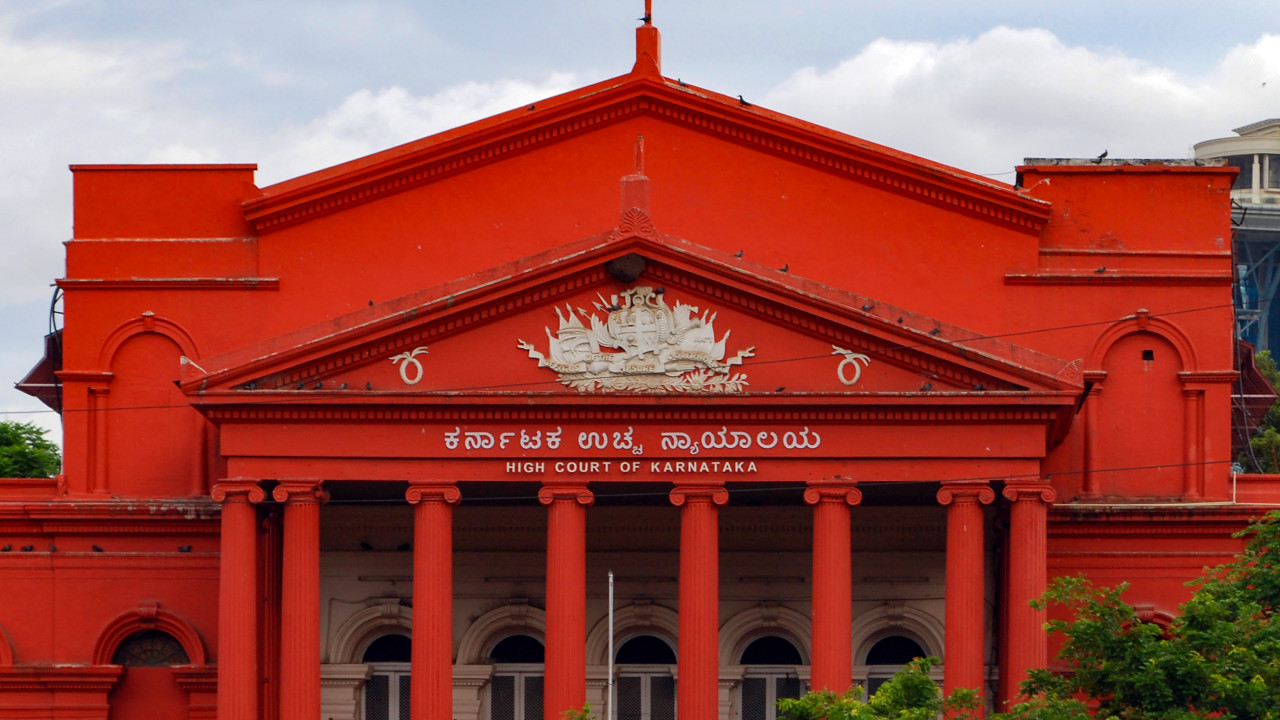
Supreme court
Supreme Court Directs Government to Take Steps to Reduce Air Pollution in Delhi
The Supreme Court of India has directed the government to take steps to reduce air pollution in Delhi, including the implementation of a comprehensive plan to control pollution from vehicles, industries, and other sources. The court's decision was made in response to a petition filed by a group of petitioners who argued that the government had not done enough to address the issue of air pollution in Delhi, which has been a major concern for many years. The petitioners argued that the government had a constitutional obligation to protect the right to life and health of citizens, and that the existing measures to control pollution were inadequate and insufficient. The court has directed the government to establish a committee to oversee the implementation of the plan, and to submit regular reports on the progress made. The decision is significant as it highlights the need for greater action to address the issue of air pollution in Delhi, which has been a major concern for many years. The air pollution in Delhi has been a major health hazard, with many people suffering from respiratory and other health problems due to the poor air quality. The Supreme Court's decision is a step towards ensuring that the government is held accountable for its actions and that the citizens of Delhi receive the protection they deserve. The court's decision is also likely to have implications for the development of policies and measures to control air pollution in other cities in India, and may lead to greater scrutiny of the government's response to environmental issues in the future. The air pollution in Delhi has been a major challenge for the government, with many people arguing that the government has not done enough to address the issue. The Supreme Court's decision is a significant development in the ongoing efforts to address the issue, and highlights the importance of taking comprehensive and effective measures to control pollution. The decision is also likely to have implications for the government's policies and measures to control air pollution, and may lead to greater scrutiny of the government's response to environmental issues in the future. In conclusion, the Supreme Court's decision to direct the government to take steps to reduce air pollution in Delhi is a significant development that highlights the need for greater action to address the issue of air pollution in Delhi. The decision is likely to have far-reaching implications for the government, citizens, and the environment, and may ultimately lead to a more comprehensive and effective response to the issue of air pollution in Delhi.