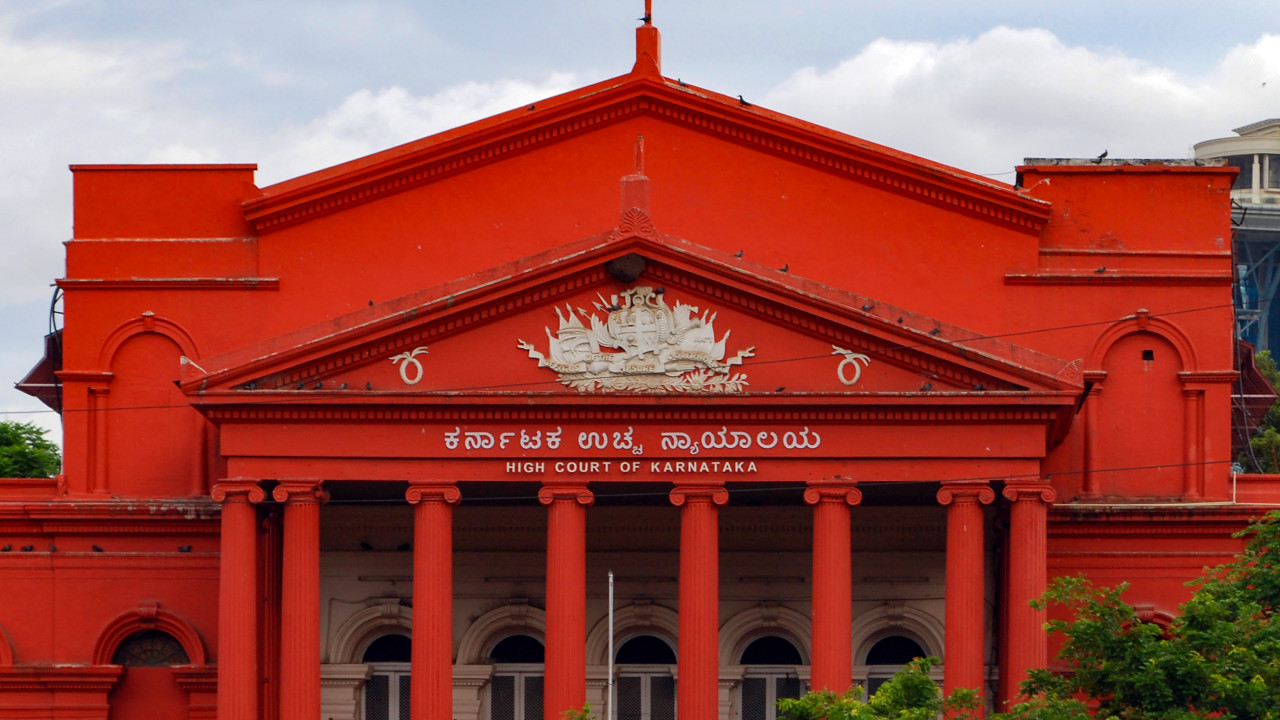
Supreme court
Supreme Court Upholds Maharashtra Government's Decision to Grant Quota to Marathas
The Supreme Court of India has recently upheld the Maharashtra government's decision to grant a quota to the Maratha community in the state. The court's decision was made in response to a batch of petitions challenging the validity of the Maharashtra State Reservation (of seats for admission in educational institutions in the State and for appointments in the public services and posts under the State) for Socially and Educationally Backward Classes (SEBC) Act, 2018. The Act provided for 16% reservation to the Maratha community in government jobs and educational institutions. The petitioners argued that the Act was unconstitutional as it exceeded the 50% limit on reservations set by the Supreme Court in the Indra Sawhney case. However, the court held that the Act was valid as it was based on the recommendations of the Backward Class Commission, which had found that the Maratha community was socially and educationally backward. The court also observed that the reservation was not excessive and did not violate the principle of equality. The decision is significant as it will have an impact on the reservation policy in the state of Maharashtra and may also have implications for other states that have similar reservation policies. The court's decision has been welcomed by the Maratha community, which has been demanding reservation for many years. However, the decision has also been criticized by some who argue that it will lead to further fragmentation of society and undermine the principle of merit-based selection. The Supreme Court's decision is a significant development in the ongoing debate over reservation policies in India and highlights the complexities and challenges involved in implementing such policies. The court's decision will likely have far-reaching implications for the Maratha community and the state of Maharashtra, and may also influence the development of reservation policies in other states. The decision is also likely to be subject to further review and challenge, and may ultimately require the Supreme Court to reconsider its position on the issue. In conclusion, the Supreme Court's decision to uphold the Maharashtra government's decision to grant quota to the Maratha community is a significant development that highlights the complexities and challenges involved in implementing reservation policies in India. The decision is likely to have far-reaching implications for the Maratha community and the state of Maharashtra, and may also influence the development of reservation policies in other states.