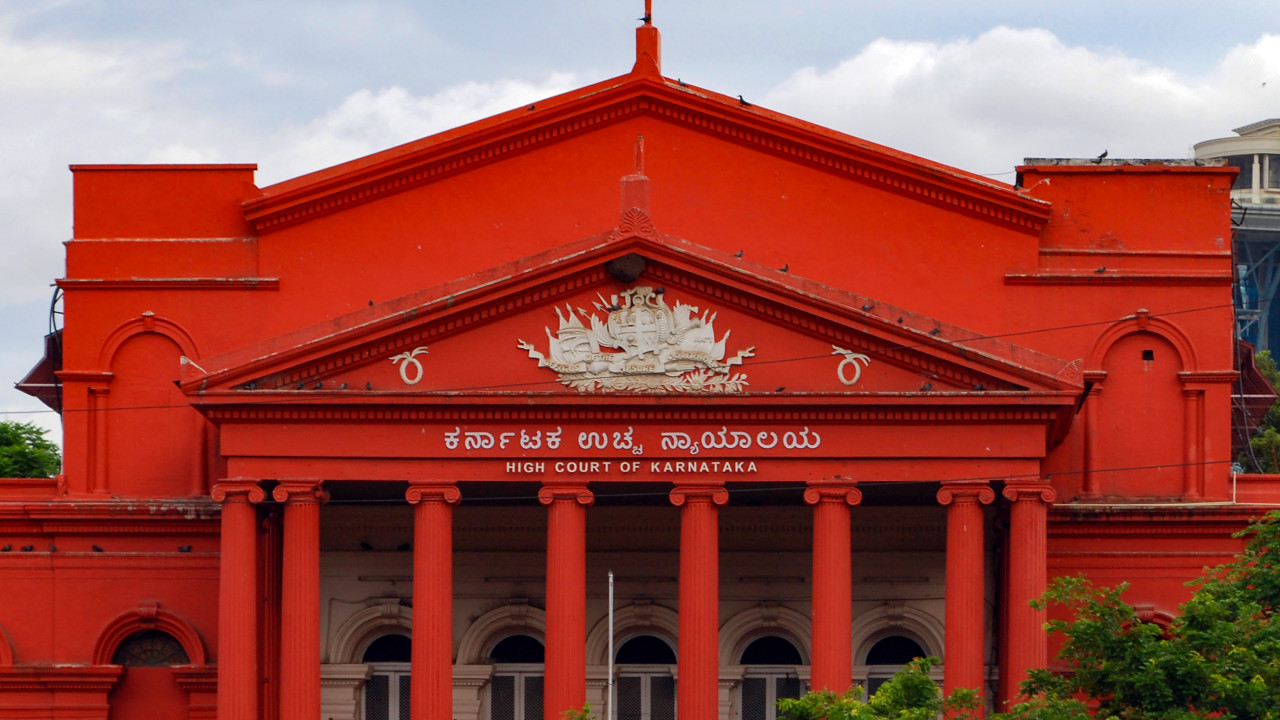
High court
Delhi High Court Dismisses Plea Against Appointment of New Delhi LG
The Delhi High Court has dismissed a petition challenging the appointment of Vinai Kumar Saxena as the new Lieutenant Governor of Delhi. The petitioner had alleged that the appointment was made without following the due process and that Saxena was not eligible for the post. However, the court observed that the appointment was made in accordance with the provisions of the Government of National Capital Territory of Delhi Act, 1991. The court also noted that the petitioner had not made out a case for interference with the appointment. The petitioner had sought quashing of the notification appointing Saxena as the LG, citing that he did not meet the eligibility criteria. The court's decision is significant as it upholds the appointment of the new LG and puts to rest any controversy surrounding his appointment. The case highlights the importance of following the due process in making appointments to key positions. The court's observation that the petitioner had not made out a case for interference with the appointment suggests that the appointment was made in accordance with the law. The decision is also a reflection of the court's reluctance to interfere with administrative decisions unless there is a clear violation of the law. The case has implications for the governance of Delhi and the role of the LG in the administration of the national capital territory. The court's decision is likely to be seen as a victory for the central government, which had appointed Saxena as the new LG. The case also highlights the importance of the judiciary in ensuring that the rule of law is upheld and that appointments are made in accordance with the law. In recent times, the Delhi High Court has been actively engaged in ensuring that the rule of law is upheld in the national capital territory. The court has been hearing several cases related to the governance of Delhi and has been providing important guidance on the interpretation of the law. The decision in this case is a significant addition to the court's jurisprudence on the subject and is likely to have far-reaching implications for the governance of Delhi. The court's emphasis on the importance of following the due process in making appointments is a significant aspect of the decision and is likely to be seen as a benchmark for future appointments. The case is also a reflection of the ongoing tussle between the central government and the Delhi government over the governance of the national capital territory. The court's decision is likely to be seen as a significant development in this context and is likely to have implications for the future of the governance of Delhi. Overall, the decision of the Delhi High Court is a significant one and is likely to have far-reaching implications for the governance of Delhi and the role of the LG in the administration of the national capital territory.