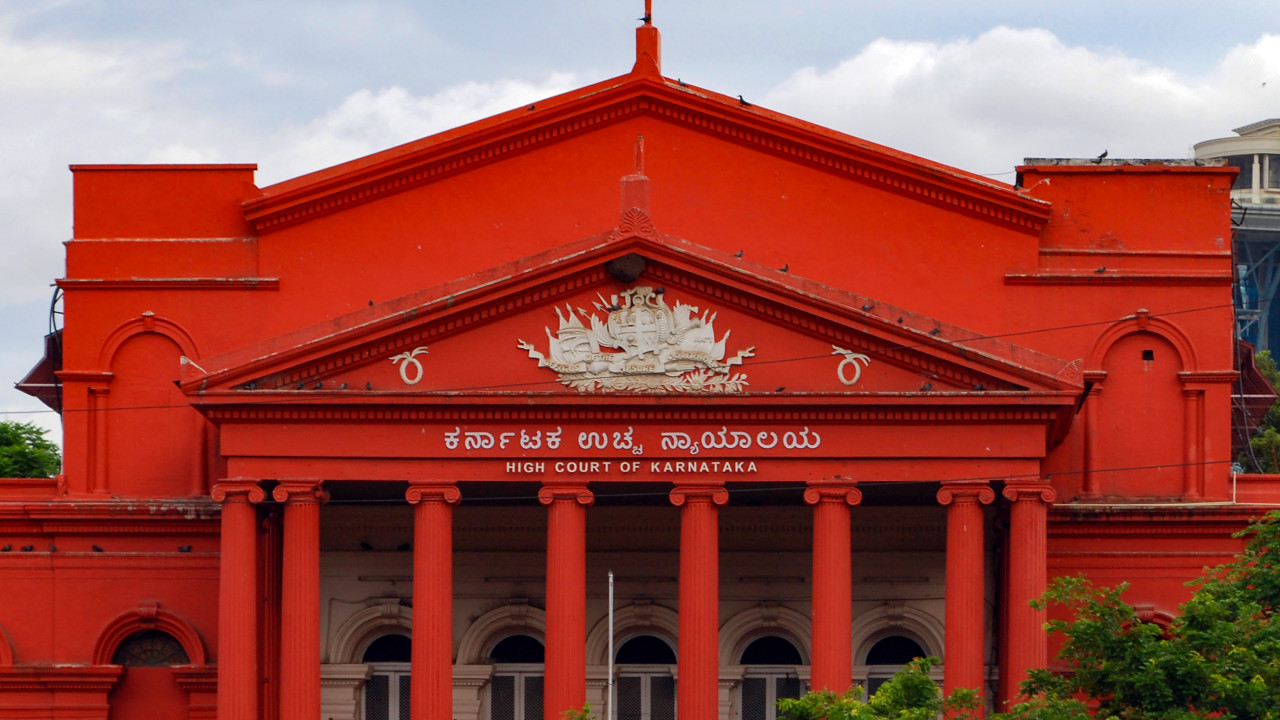
Supreme court
Supreme Court Rules on the Legality of the Insolvency and Bankruptcy Code
The Supreme Court of India has ruled on the legality of the Insolvency and Bankruptcy Code (IBC), upholding the constitutional validity of the legislation while striking down certain provisions. The court's decision comes in response to a batch of petitions challenging the IBC, which was enacted in 2016. The petitioners argued that the IBC violates the right to equality and the right to life and liberty, enshrined under Articles 14 and 21 of the Constitution. The court observed that the IBC is a beneficial legislation that aims to promote economic growth and stability by providing a framework for resolving insolvency and bankruptcy. However, the court noted that certain provisions of the IBC, including the provision that allows the government to notify sections of the Code without parliamentary approval, are unconstitutional. The court struck down these provisions, holding that they violate the principles of parliamentary democracy and the rule of law. The Supreme Court's decision is significant, as it marks a major development in the ongoing debate over the use of the IBC in India. The ruling has been welcomed by industry groups, who argue that it will help to promote economic growth and stability by providing a clear and effective framework for resolving insolvency and bankruptcy. However, the decision has also been criticized by some, who argue that it may hinder the government's efforts to promote economic reform and development. The Supreme Court's ruling on the IBC is expected to have far-reaching implications for the country's economic landscape, and it is likely that the government will be compelled to revisit its policies and regulations in light of the court's decision. As the government begins to implement the court's ruling, it remains to be seen how the IBC will be balanced against competing interests. The Supreme Court's decision serves as a reminder of the importance of upholding the principles of parliamentary democracy and the rule of law, and promoting economic growth and stability through effective and transparent frameworks. The court's ruling has sparked a renewed debate on the need for a comprehensive framework for resolving insolvency and bankruptcy in India, and it is likely that the government will be compelled to engage with stakeholders to develop guidelines and regulations that balance individual rights with societal concerns. Ultimately, the Supreme Court's ruling on the IBC serves as a powerful reminder of the judiciary's role in upholding the Constitution and promoting economic growth and stability.