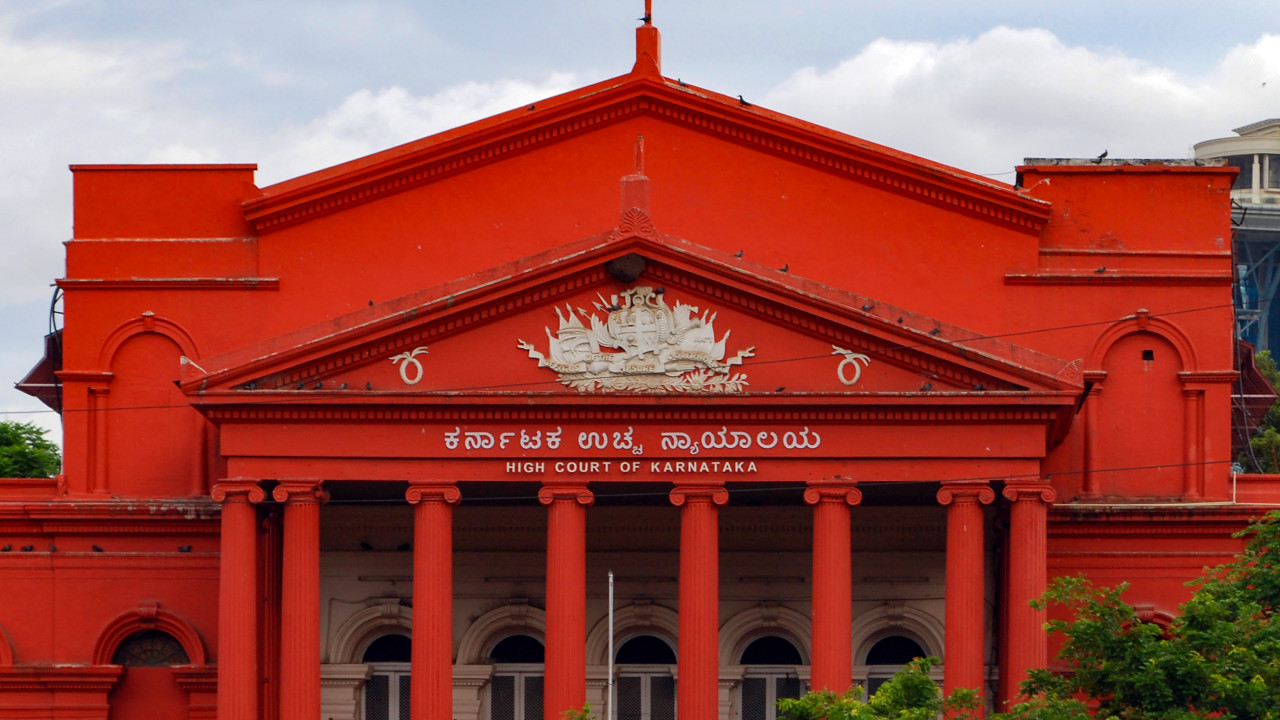
Supreme court
Supreme Court Orders Investigation into Allegations of Corruption in Medical Admissions
The Supreme Court of India has directed the Central Bureau of Investigation (CBI) to investigate allegations of corruption in medical admissions, in response to a petition filed by a group of students. The petitioners alleged that several medical colleges had engaged in corrupt practices, including the sale of seats and the manipulation of admission procedures. The court observed that the allegations were serious and required a thorough investigation. The CBI has been directed to complete the probe within six months and submit its report to the court. The Supreme Court's order is significant, as it highlights the need for transparency and accountability in medical admissions. The court's decision is expected to have far-reaching implications for the medical education sector, and to lead to the development of more robust and transparent admission procedures. The court's directive also underscores the importance of protecting the rights of students and ensuring that they are not exploited by corrupt practices. As the CBI begins its investigation, it is essential to ensure that the probe is impartial and thorough, and that those responsible for any corrupt practices are held accountable. The Supreme Court's judgment is a significant step towards upholding the integrity of medical education in India, and its impact will be closely watched by students, medical professionals, and policymakers. The court's decision also highlights the need for a more comprehensive approach to addressing corruption in medical admissions, one that includes measures to prevent corruption and promote transparency. In the context of Indian law and policy, the Supreme Court's judgment on medical admissions is a landmark decision that will have significant implications for the development of medical education policies and practices in the country. The court's directive is expected to lead to the development of more robust and transparent admission procedures, and to promote a culture of integrity and accountability in medical education.