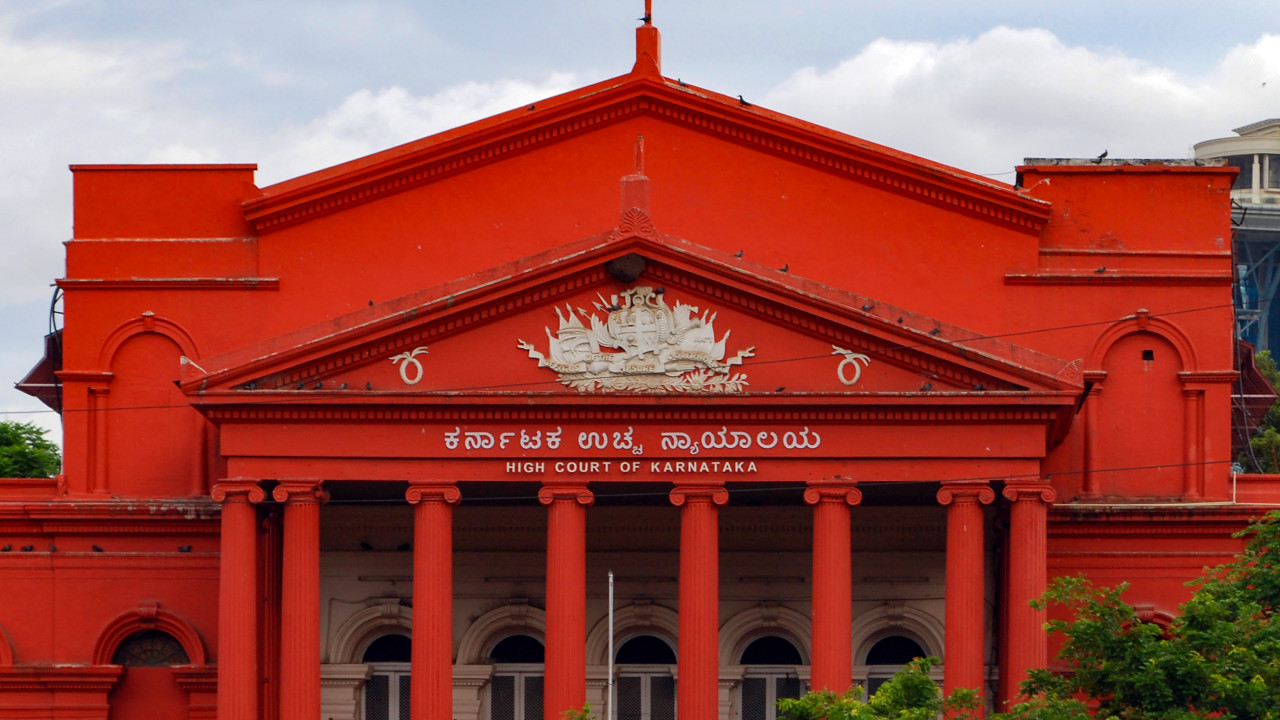
High court
Madras High Court Directs Tamil Nadu Government to Implement Reservation in Medical Admissions
Background: The Madras High Court has been dealing with a PIL filed by a group of students, seeking to implement reservation in medical admissions in Tamil Nadu. The petitioners have argued that the state government has failed to implement the reservation policy, leading to a denial of opportunities to deserving students from backward classes. Parties: The petitioners in the case are a group of students, while the respondents are the Tamil Nadu government and the medical admission authorities. Legal issues: The main legal issue in the case is whether the Tamil Nadu government has failed to implement the reservation policy in medical admissions. The petitioners have argued that the government is bound by the provisions of the Tamil Nadu Backward Classes, Scheduled Castes and Scheduled Tribes Act, which mandates the implementation of reservation in medical admissions. Court observations: The Madras High Court has observed that the Tamil Nadu government has failed to implement the reservation policy in medical admissions. The court has directed the government to implement the policy, holding that the failure to do so is a violation of the constitutional rights of the students from backward classes. The court has also warned the government that failure to comply with its order will result in contempt proceedings. Significance: The order of the Madras High Court is significant as it will ensure that the reservation policy is implemented in medical admissions in Tamil Nadu, leading to greater opportunities for students from backward classes. The court's decision will also have implications for other states, as it will set a precedent for the implementation of reservation policies in medical admissions.