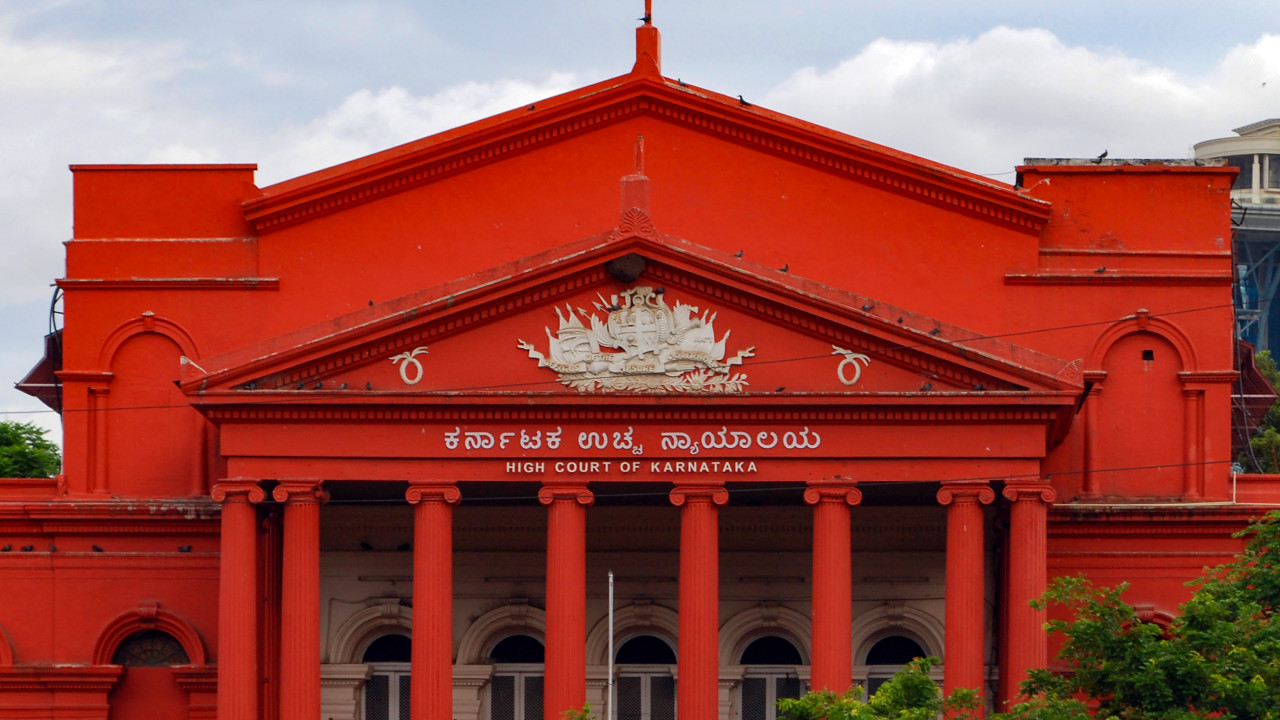
Supreme court
Supreme Court Dismisses Plea Against EWS Quota in NEET PG Counselling
The Supreme Court of India has dismissed a plea challenging the Centre's decision to implement the Economically Weaker Sections (EWS) quota in the NEET PG counselling process. A bench comprising Justices D.Y. Chandrachud, Surya Kant, and Vikram Nath observed that the plea is without merit, as the EWS quota is a constitutional provision aimed at promoting social justice. The court noted that the quota is designed to benefit economically weaker sections of society, who have been historically disadvantaged. The petitioners had challenged the Centre's decision, arguing that it is unconstitutional and violates the principles of meritocracy. The Supreme Court's decision to dismiss the plea is significant, as it upholds the Centre's decision to implement the EWS quota. The bench observed that the quota is a necessary measure to promote social justice and ensure that economically weaker sections have access to education and employment opportunities. The court's ruling is expected to have significant implications for the NEET PG counselling process and the implementation of the EWS quota. The judgment highlights the importance of promoting social justice and ensuring that marginalized communities have access to education and employment opportunities. The Supreme Court's decision is a significant development in the ongoing debate about reservation policies and social justice. The court's observations on the importance of promoting social justice and protecting the rights of marginalized communities are likely to influence policy decisions and governance in the country. The judgment is a testament to the Supreme Court's commitment to upholding the principles of social justice and promoting the rights of marginalized communities.