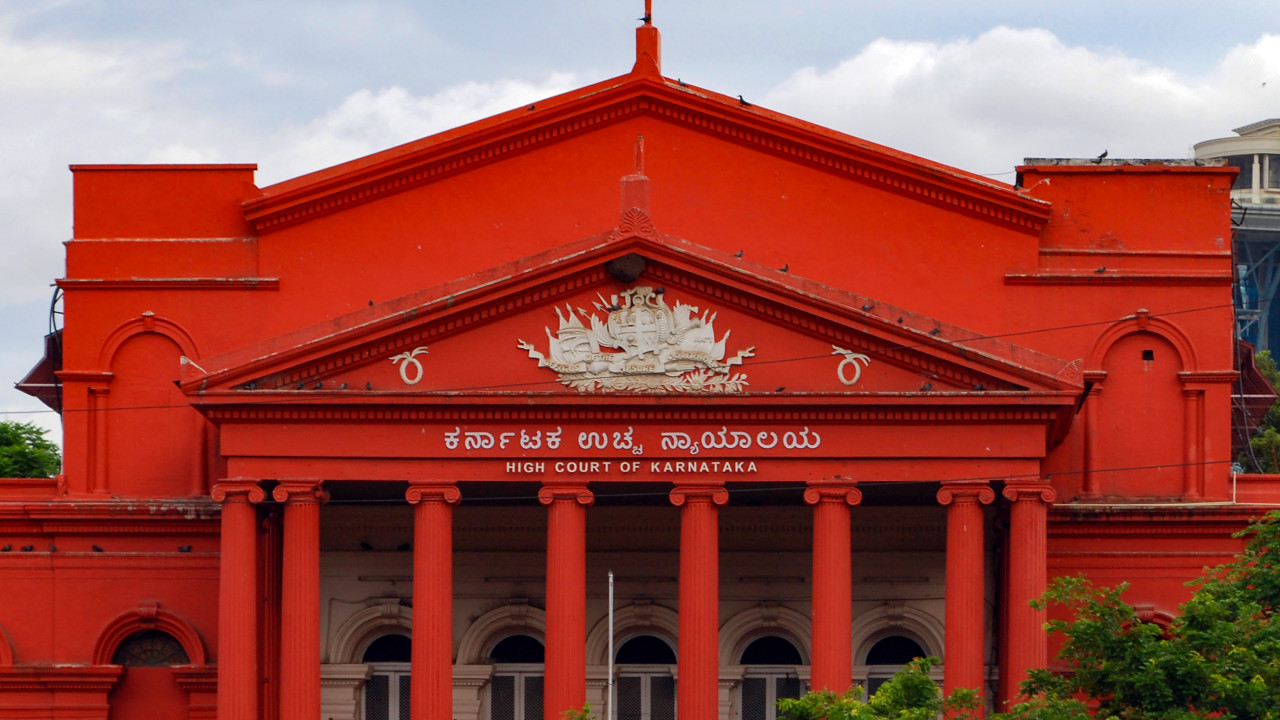
Supreme court
Supreme Court Orders Release of Detained Rohingya Refugees
The Supreme Court of India has ordered the release of detained Rohingya refugees, who were being held in a detention center in Jammu and Kashmir. A bench of the Court, headed by Chief Justice Uday Umesh Lalit, observed that the refugees had been detained for an extended period without being provided with adequate access to legal representation or an opportunity to be heard. The petitioners argued that the detention of the refugees was arbitrary and violated their fundamental rights under the Constitution. The respondents, on the other hand, contended that the detention was necessary to prevent the refugees from engaging in illegal activities and to maintain national security. The Supreme Court's decision has significant implications for the protection of human rights and the treatment of refugees in India. The judgment highlights the importance of upholding the principles of due process and the rule of law, even in cases involving national security and public order. The Court's observation that the refugees had been detained without adequate access to legal representation or an opportunity to be heard is crucial in understanding the need for transparency and accountability in decision-making. The ruling underscores the importance of recognizing the human rights of all individuals, regardless of their nationality or immigration status. The Supreme Court's decision is a significant step towards ensuring that India upholds its international obligations to protect the rights of refugees and asylum seekers. The judgment's emphasis on the need for due process and the rule of law will have far-reaching consequences for the development of India's human rights framework and the protection of individual rights. In conclusion, the Supreme Court's order for the release of detained Rohingya refugees is a landmark decision that will shape the trajectory of human rights and refugee protection in India. The judgment's focus on upholding the principles of due process and the rule of law will have significant implications for the development of India's human rights framework and the protection of individual rights.