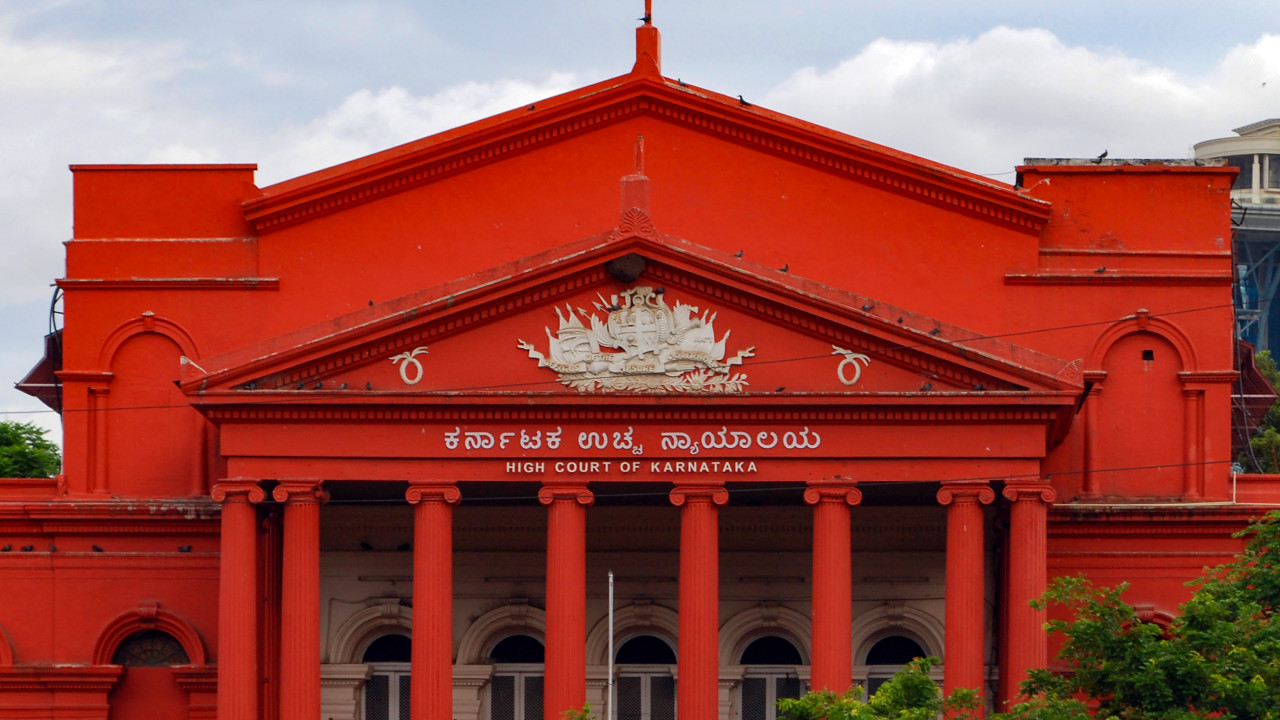
Supreme court
Supreme Court Dismisses Plea Challenging EWS Quota
The Supreme Court of India has dismissed a plea challenging the constitutional validity of the 10% quota for Economically Weaker Sections (EWS) in government jobs and educational institutions. A bench of the Court, headed by Justice D.Y. Chandrachud, observed that the petitioners had failed to demonstrate how the EWS quota would cause them any harm or prejudice. The petitioners argued that the EWS quota is ultra vires the Constitution, as it is based on economic criteria and does not take into account the principles of social and educational backwardness. The respondents, on the other hand, contended that the EWS quota is a valid exercise of parliamentary power and is intended to promote social and economic equality. The Supreme Court's decision has significant implications for the implementation of the EWS quota and the balance between competing interests in the field of education and employment. The judgment highlights the importance of demonstrating harm or prejudice in challenges to constitutional provisions and the need for a nuanced understanding of the complexities of social and economic inequality. The Court's observation that the petitioners had failed to demonstrate harm or prejudice is crucial in understanding the threshold for challenging constitutional provisions. The ruling underscores the importance of upholding the principles of equality and justice, while also recognizing the need for affirmative action to address historical inequalities. The Supreme Court's decision is a significant step towards ensuring that the rights of all individuals are protected and that the country remains committed to promoting social and economic equality. The judgment's emphasis on the need for a nuanced understanding of social and economic inequality will have far-reaching consequences for the development of India's social and economic policies. In conclusion, the Supreme Court's dismissal of the plea challenging the EWS quota is a landmark decision that will shape the trajectory of social and economic equality in India. The judgment's focus on upholding the principles of equality and justice will have significant implications for the development of India's social and economic policies and the protection of individual rights.