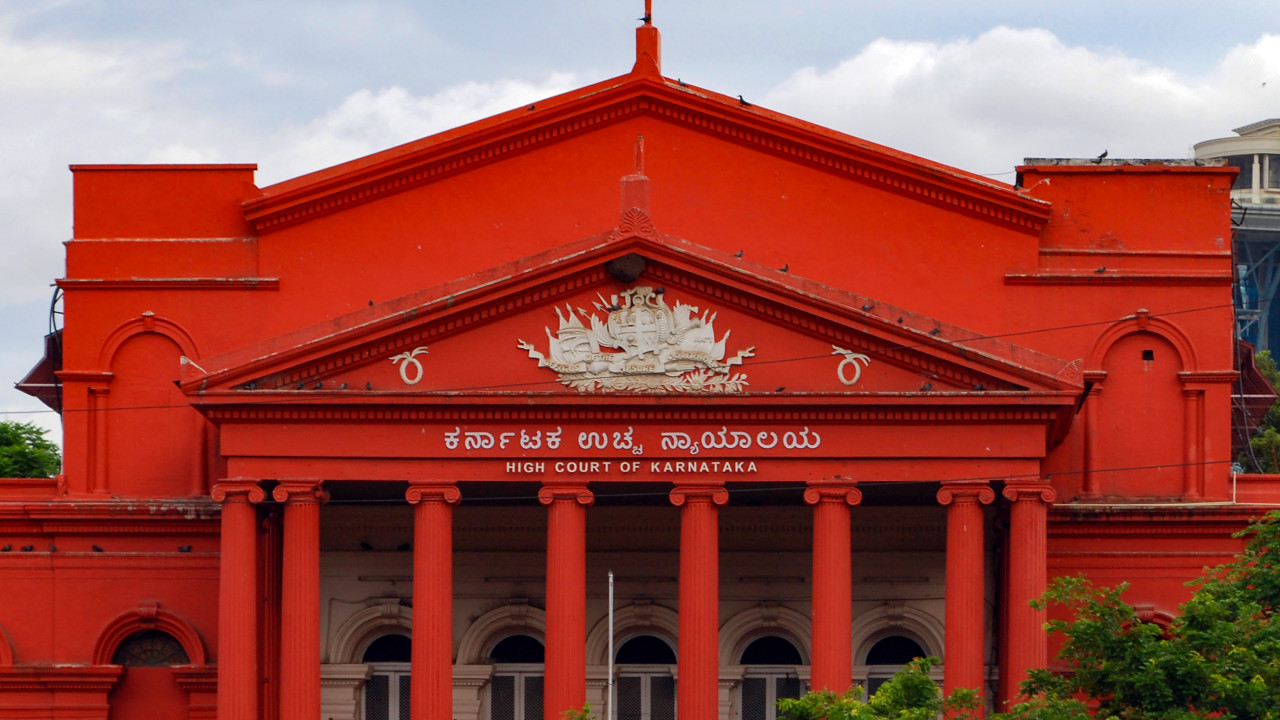
Supreme court
Supreme Court Rules on Maintainability of Plea Against GNCTD Act
The Supreme Court of India has ruled on the maintainability of a plea challenging the constitutional validity of the Government of National Capital Territory of Delhi Act, 2021 (GNCTD Act). A bench of the Court, headed by Chief Justice Uday Umesh Lalit, observed that the petition is maintainable and proceeded to examine the constitutional validity of the Act. The petitioners argued that the GNCTD Act is ultra vires the Constitution, as it alters the federal structure and the principles of democratic governance. The respondents, on the other hand, contended that the Act is a valid exercise of parliamentary power and does not infringe upon the constitutional rights of the citizens of Delhi. The Court's decision has significant implications for the governance of the National Capital Territory of Delhi and the balance of power between the elected government and the Lieutenant Governor. The judgment is expected to impact the functioning of the Delhi government and the implementation of its policies. The Court's observation that the petition is maintainable is crucial in understanding the scope of judicial review and the role of the judiciary in examining the constitutional validity of laws. The ruling highlights the importance of the separation of powers and the need for a delicate balance between the legislative, executive, and judicial branches of government. The Supreme Court's decision is a significant step towards ensuring that the principles of democracy and federalism are upheld in the country. The judgment's emphasis on the importance of maintaining the constitutional balance of power will have far-reaching consequences for the governance of Delhi and the country as a whole. In conclusion, the Supreme Court's ruling on the maintainability of the plea against the GNCTD Act is a landmark decision that will shape the trajectory of governance in Delhi and the country. The judgment's focus on upholding the principles of democracy and federalism will have significant implications for the development of India's constitutional law and the protection of individual rights.