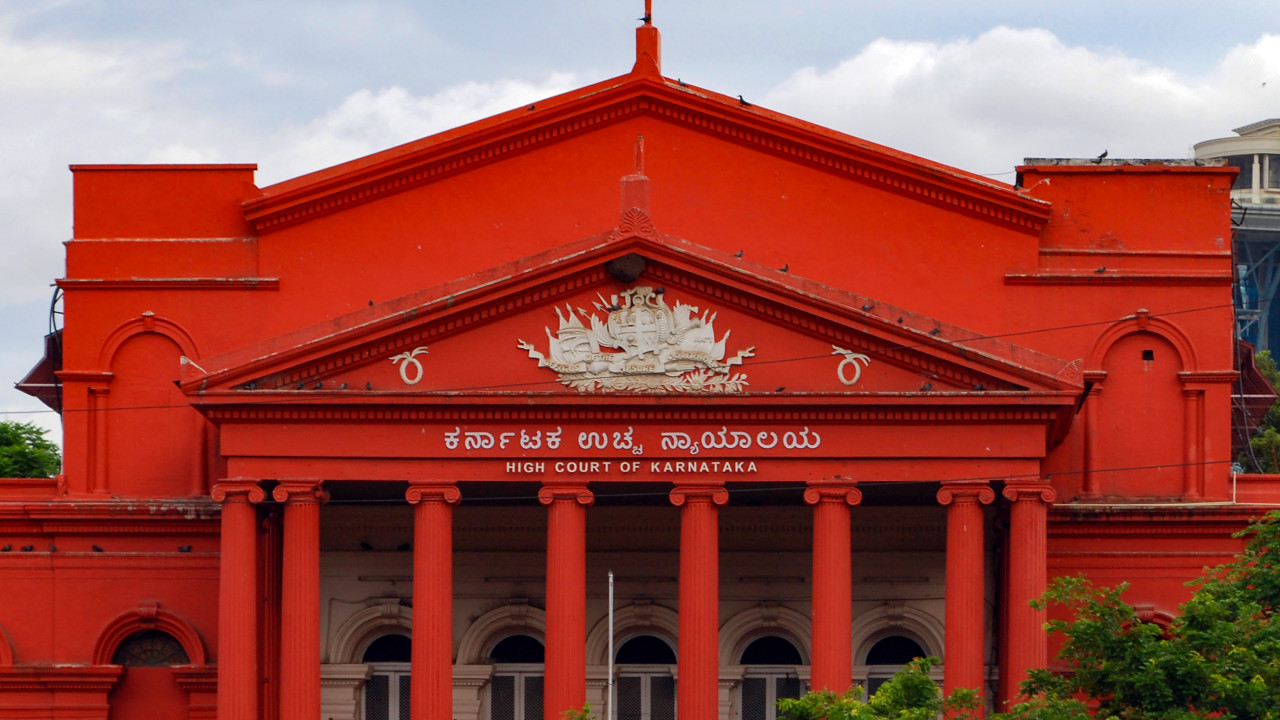
High court
Bombay High Court Directs State Government to Fill Vacant Posts in Medical Colleges
The Bombay High Court has directed the Maharashtra state government to fill vacant posts in medical colleges across the state. The court's order comes after a petition was filed by a group of medical students, who argued that the lack of faculty members in medical colleges was affecting their education. The court has given the state government six months to fill the vacant posts, and has also directed it to submit a report on the progress made. The court's decision is significant, as it affects the quality of medical education in the state. The petitioners had argued that the lack of faculty members in medical colleges was a violation of the Medical Council of India's regulations, which require medical colleges to have a minimum number of faculty members. The court has agreed with the petitioners, and has directed the state government to take immediate action to fill the vacant posts. The case has been filed by a group of medical students, who have argued that the lack of faculty members in medical colleges is affecting their education. The students have argued that the lack of faculty members is resulting in a lack of guidance and supervision, which is essential for their education. The court's decision is likely to have implications for medical education across the country, as it sets a precedent for the regulation of medical colleges. The court's order is also significant, as it demonstrates the judiciary's willingness to intervene in matters affecting the public interest. The case is likely to be closely watched, as it has implications for the future of medical education in India. The Bombay High Court's decision to direct the state government to fill vacant posts in medical colleges is a significant development, and it will be interesting to see how the case unfolds in the coming weeks and months. The court's order has been welcomed by medical students, who have been protesting against the lack of faculty members in medical colleges. However, the state government has expressed concerns about the practicality of filling all the vacant posts within six months. The case highlights the ongoing debate over the regulation of medical education and the need to balance the autonomy of medical colleges with the need to protect the interests of students. The Bombay High Court's decision is likely to have implications for medical colleges across the country, as it sets a precedent for the regulation of medical education. The court's order is also significant, as it demonstrates the judiciary's willingness to intervene in matters affecting the public interest. In recent years, the Bombay High Court has been actively involved in regulating medical education, and its decisions have had a significant impact on the sector. The case is likely to be closely watched, as it has implications for the future of medical education in India. The court will hear the matter next on a date to be decided, and its decision will be eagerly awaited by all stakeholders. The Bombay High Court's decision to direct the state government to fill vacant posts in medical colleges is a significant development, and it will be interesting to see how the case unfolds in the coming weeks and months. The court's order has been welcomed by medical students, who have been protesting against the lack of faculty members in medical colleges. However, the state government has expressed concerns about the practicality of filling all the vacant posts within six months. The case highlights the ongoing debate over the regulation of medical education and the need to balance the autonomy of medical colleges with the need to protect the interests of students. The Bombay High Court's decision is likely to have implications for medical colleges across the country, as it sets a precedent for the regulation of medical education. The court's order is also significant, as it demonstrates the judiciary's willingness to intervene in matters affecting the public interest. The case is likely to be closely watched, as it has implications for the future of medical education in India.