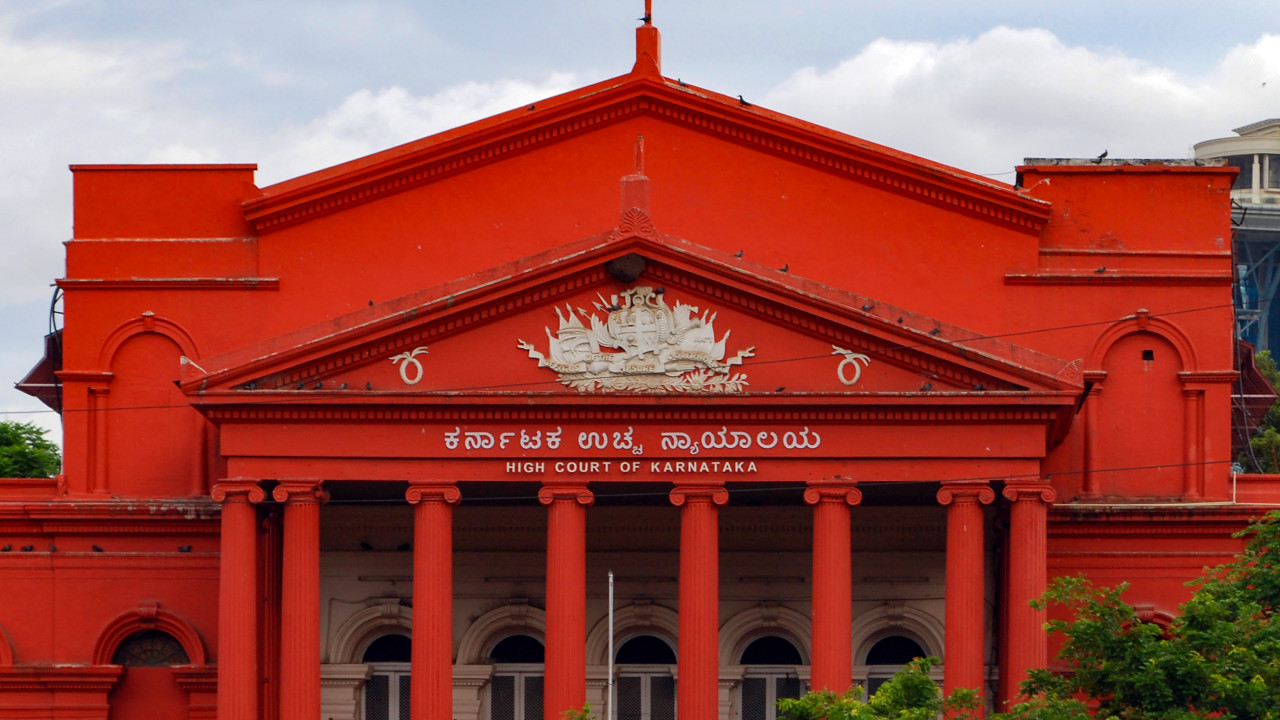
Supreme court
Supreme Court Upholds Right to Freedom of Speech and Expression
The Supreme Court of India has upheld the right to freedom of speech and expression, in a judgment that has significant implications for the protection of individual rights and freedoms in India. The court held that the right to freedom of speech and expression was a fundamental right under Article 19(1)(a) of the Constitution and that it included the right to criticize the government and its policies. The judgment was delivered by a three-judge bench consisting of Justices Arun Mishra, Vineet Saran, and M.R. Shah. The court observed that the right to freedom of speech and expression was essential for the functioning of a democratic society and that it was necessary to protect this right in order to ensure that citizens were able to express their opinions and participate in the democratic process. The court also held that the government had a duty to protect the right to freedom of speech and expression and to ensure that citizens were not subjected to censorship or harassment for expressing their opinions. The judgment has significant implications for the protection of individual rights and freedoms in India and is seen as a major victory for the protection of individual rights and freedoms. The court's decision has been welcomed by civil liberties groups and has been seen as a significant step forward in the protection of individual rights and freedoms in India. The judgment is also expected to have significant implications for the protection of individual rights and freedoms in India. The court's emphasis on the need to protect individual rights and freedoms is expected to lead to the development of new regulations and guidelines for the protection of individual rights. Overall, the judgment is a significant step forward in the protection of individual rights and freedoms in India and is expected to have far-reaching consequences for the protection of individual rights and freedoms.