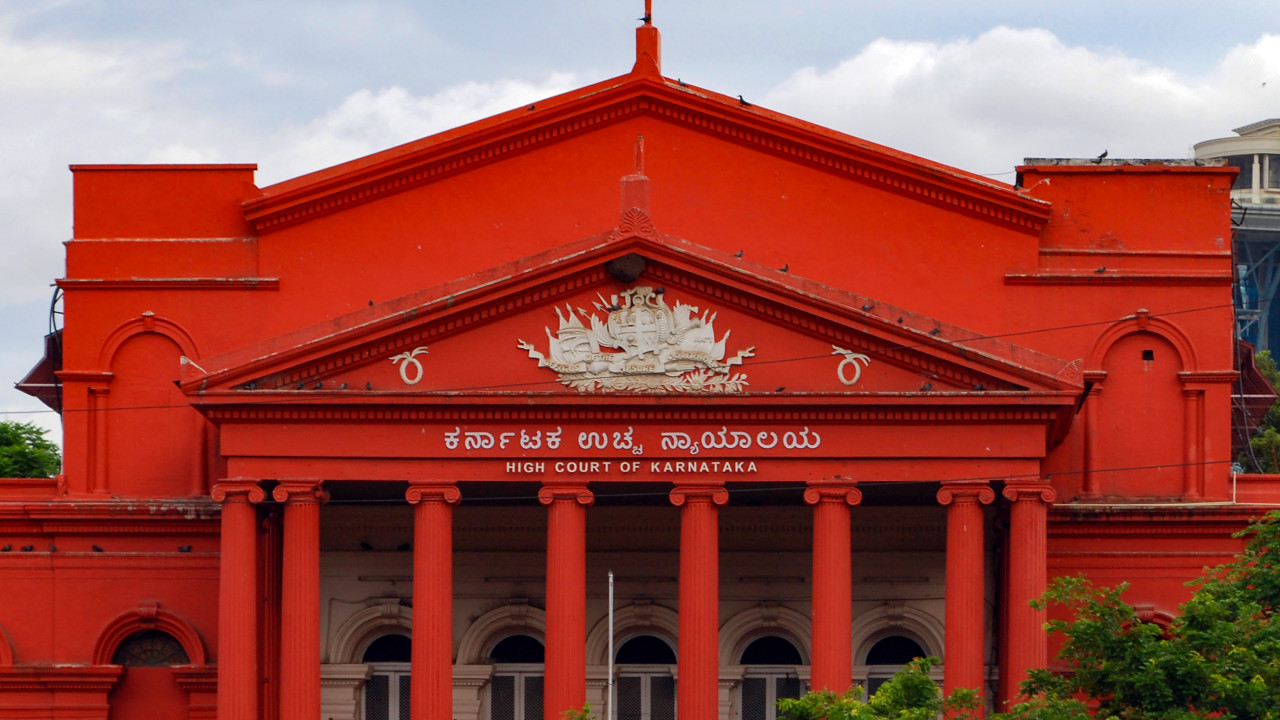
Supreme court
Supreme Court Allows Women to Enter Sabarimala Temple
The Supreme Court of India has allowed women of all ages to enter the Sabarimala temple in Kerala. The court held that the prohibition on the entry of women between the ages of 10 and 50 was unconstitutional and violated the right to equality and freedom of religion. The judgment was delivered by a five-judge bench consisting of Chief Justice Dipak Misra, Justices R.F. Nariman, A.M. Khanwilkar, D.Y. Chandrachud, and Indu Malhotra. The court observed that the prohibition was based on a patriarchal notion that women are impure during menstruation and that this notion was not supported by the Constitution. The court also held that the right to freedom of religion under Article 25 of the Constitution includes the right to worship and that the prohibition on the entry of women was a violation of this right. The judgment has significant implications for the rights of women in India and is seen as a major victory for gender equality. The court's decision has been welcomed by women's rights groups and has been seen as a significant step forward in the protection of women's rights in India. The judgment is also expected to have significant implications for the protection of individual rights and freedoms in India. The court's emphasis on the need to protect individual rights and freedoms is expected to lead to the development of new regulations and guidelines for the protection of individual rights. Overall, the judgment is a significant step forward in the protection of women's rights in India and is expected to have far-reaching consequences for the protection of individual rights and freedoms.