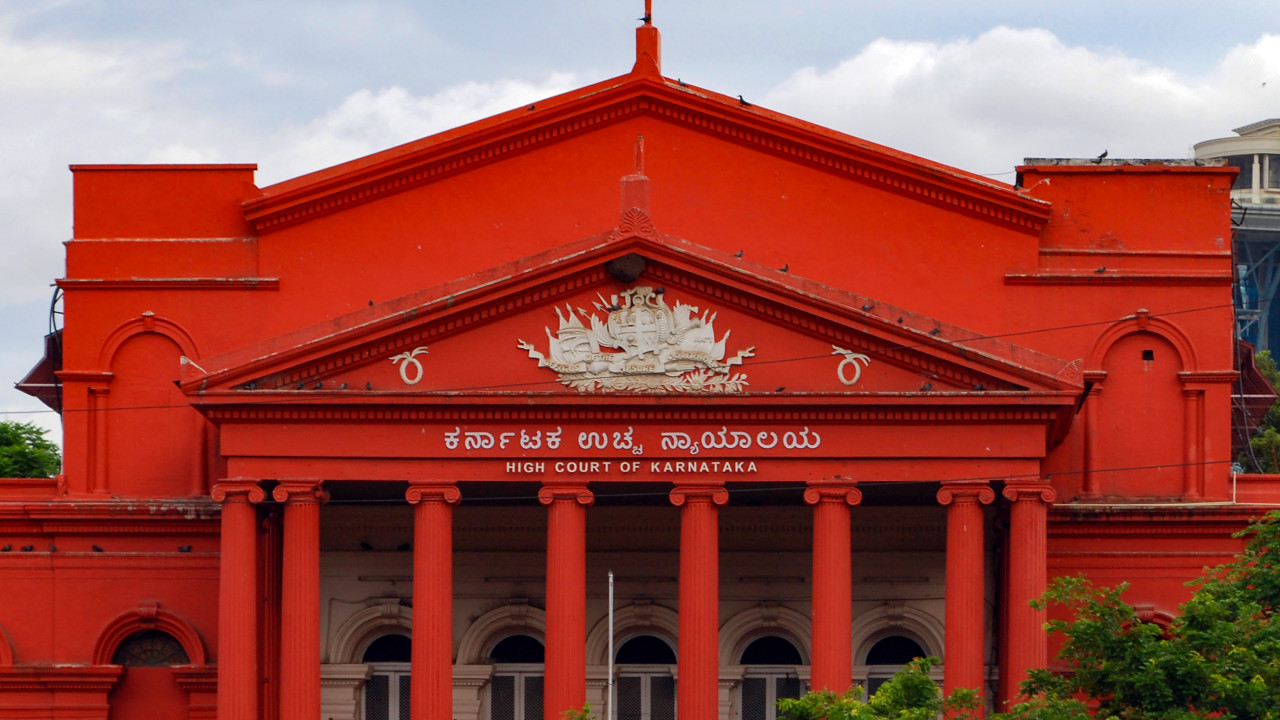
Supreme court
Supreme Court Directs Centre to Provide Details of PM CARES Fund
The Supreme Court of India has directed the Centre to provide details of the PM CARES Fund. The court observed that the fund was a public charitable trust, and that the Centre had a duty to provide information about it. The court was hearing a petition filed by a lawyer, who had sought information about the fund under the Right to Information (RTI) Act. The petitioner had argued that the fund was a public authority, and that it was bound to provide information under the RTI Act. The court noted that the fund was established to provide relief to those affected by the COVID-19 pandemic, and that it had received large donations from the public. The court observed that the fund was a public charitable trust, and that it was bound to provide information about its activities and finances. The court directed the Centre to provide details of the fund, including its objectives, activities, and finances. The court also directed the Centre to provide information about the donations received by the fund, and how they were being utilized. The judgment is significant as it promotes transparency and accountability in public charitable trusts. The court's decision is expected to have implications for many public charitable trusts, and is likely to lead to a more transparent and accountable system. The Supreme Court's judgment is a reminder that public charitable trusts have a duty to provide information about their activities and finances. The court's decision is also expected to have a positive impact on the lives of many people who have donated to the fund. The judgment is a significant development in the field of transparency and accountability, and is expected to be studied by scholars and activists. The Supreme Court's decision is a testament to the court's commitment to upholding the principles of transparency and accountability enshrined in the Indian Constitution. The court's judgment is likely to be welcomed by transparency and accountability activists and organizations, who have been demanding more information about public charitable trusts. The judgment is a significant step towards promoting transparency and accountability in Indian society. The Supreme Court's decision is expected to have far-reaching implications for public charitable trusts, and is likely to lead to a more transparent and accountable system. The court's judgment is a reminder that public charitable trusts are accountable to the public, and that they must provide information about their activities and finances. The Supreme Court's decision is a significant development in the ongoing debate over transparency and accountability in India. The judgment is expected to be studied by scholars and activists, and is likely to have a positive impact on the lives of many people who have donated to public charitable trusts. The Supreme Court's decision is a testament to the court's commitment to upholding the principles of transparency and accountability enshrined in the Indian Constitution. The judgment is a significant milestone in the journey towards creating a more transparent and accountable society in India.