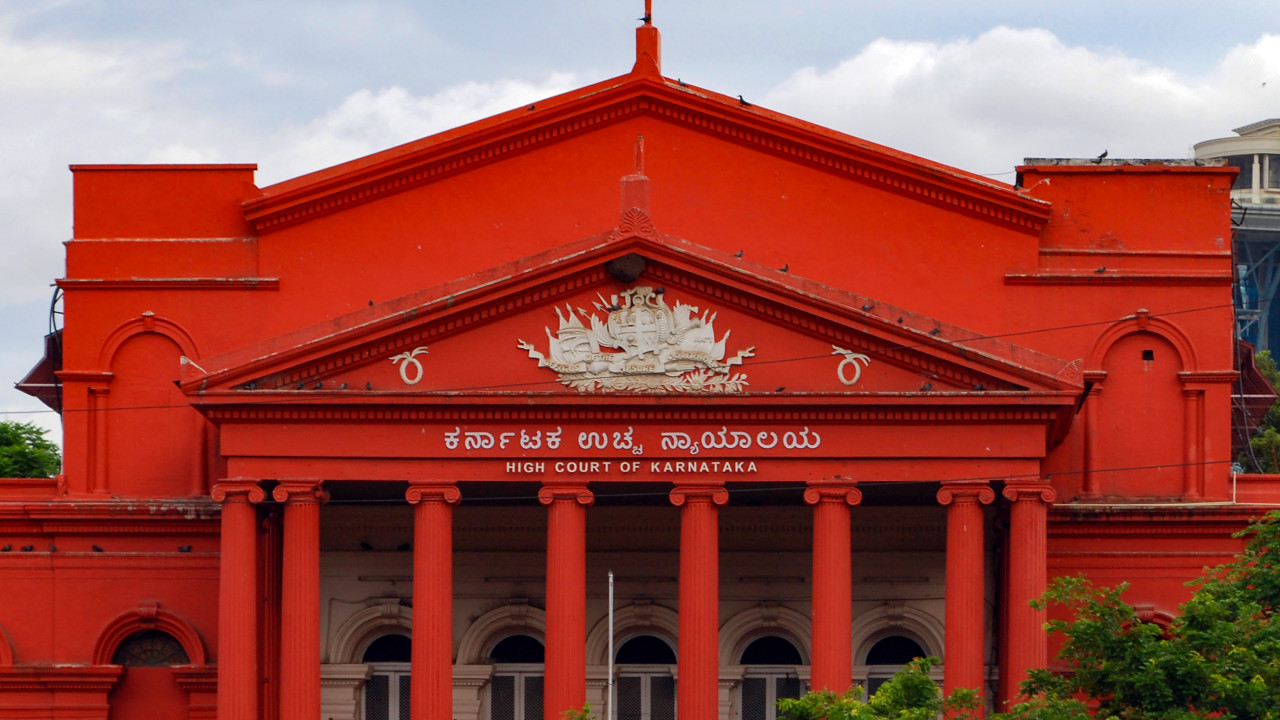
Supreme court
Supreme Court Upholds Maharashtra Government's Decision to Grant Quota to Marathas
The Supreme Court of India has upheld the Maharashtra government's decision to grant a quota to the Maratha community in government jobs and education. The court observed that the decision was taken to promote social and economic equality. The Maratha community had been demanding reservation for a long time, citing their backwardness. The Maharashtra government had passed a law in 2018 granting 16% reservation to the Marathas in government jobs and education. However, the law was challenged in the Bombay High Court, which upheld the decision. The petitioners then approached the Supreme Court, arguing that the reservation exceeded the 50% limit set by the court in the Indra Sawhney case. The Supreme Court, however, rejected this argument, stating that the Maharashtra government had provided sufficient data to justify the reservation. The court also observed that the reservation was not solely based on caste, but also on economic and social factors. The judgment is significant as it upholds the right of states to grant reservation to backward classes. The court's decision is also expected to have implications for other states that have granted reservation to various communities. The Maratha community has welcomed the judgment, stating that it will bring them social and economic equality. However, some opposition parties have criticized the decision, arguing that it will create divisions in society. The Supreme Court's judgment is a significant development in the ongoing debate over reservation in India. The court's decision is expected to be studied by other states that are considering granting reservation to backward classes. The judgment also highlights the importance of collecting data and conducting research before granting reservation. In conclusion, the Supreme Court's decision to uphold the Maharashtra government's decision to grant quota to Marathas is a significant development in the field of reservation. The judgment is expected to have far-reaching implications for the Maratha community and other backward classes in India. The court's decision also underscores the importance of promoting social and economic equality in Indian society. The judgment is a testament to the Supreme Court's commitment to upholding the principles of equality and justice enshrined in the Indian Constitution. The Supreme Court's decision is likely to be welcomed by the Maratha community and other backward classes, who have been demanding reservation for a long time. However, the judgment may also face criticism from some quarters, who argue that reservation is not the solution to social and economic inequality. Nevertheless, the Supreme Court's decision is a significant step towards promoting social and economic equality in Indian society. The judgment is expected to have a positive impact on the lives of millions of people belonging to backward classes, who have been denied opportunities for far too long. The Supreme Court's decision is a reminder that the Indian Constitution guarantees equal opportunities to all citizens, regardless of their caste, creed, or social status. The judgment is a significant milestone in the journey towards creating a more equal and just society in India.