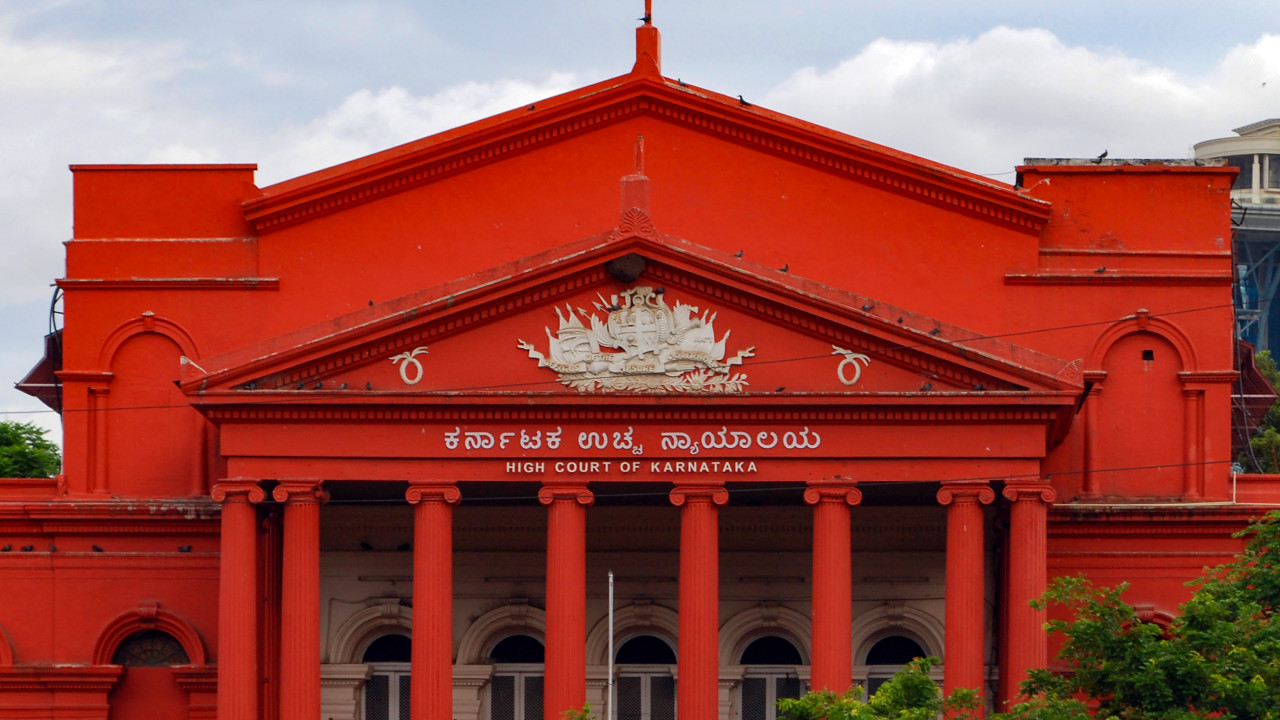
Supreme court
Supreme Court Upholds Right to Freedom of Speech and Expression
The Supreme Court of India has upheld the right to freedom of speech and expression, stating that it is a fundamental right that is essential for the functioning of a democratic society. The court was hearing a petition filed by a journalist, who had been arrested for writing an article that was critical of the government. The court observed that the arrest was a violation of the journalist's fundamental right to freedom of speech and expression, and that it was not justified under the law. The court directed the government to release the journalist and to ensure that the freedom of speech and expression was protected. The petitioners had argued that the arrest was a clear example of the government's attempts to suppress dissent and criticism, and that it was a threat to the very foundations of democracy. The court's order is significant as it highlights the importance of protecting the freedom of speech and expression in a democratic society. The court's decision to uphold the right to freedom of speech and expression is a major victory for the journalist and for the media, who have been fighting for their rights for decades. The judgment is expected to have far-reaching implications for the government's policies on freedom of speech and expression, and for the rights of journalists and other citizens. The Supreme Court's judgment is a significant development in the ongoing efforts to promote democracy and human rights in India. The court's emphasis on the importance of protecting the freedom of speech and expression is likely to have a major impact on the country's governance and politics. The judgment is also expected to influence the decisions of other courts and institutions on the issue of freedom of speech and expression. Overall, the Supreme Court's judgment is a significant step forward in promoting democracy and human rights in India.