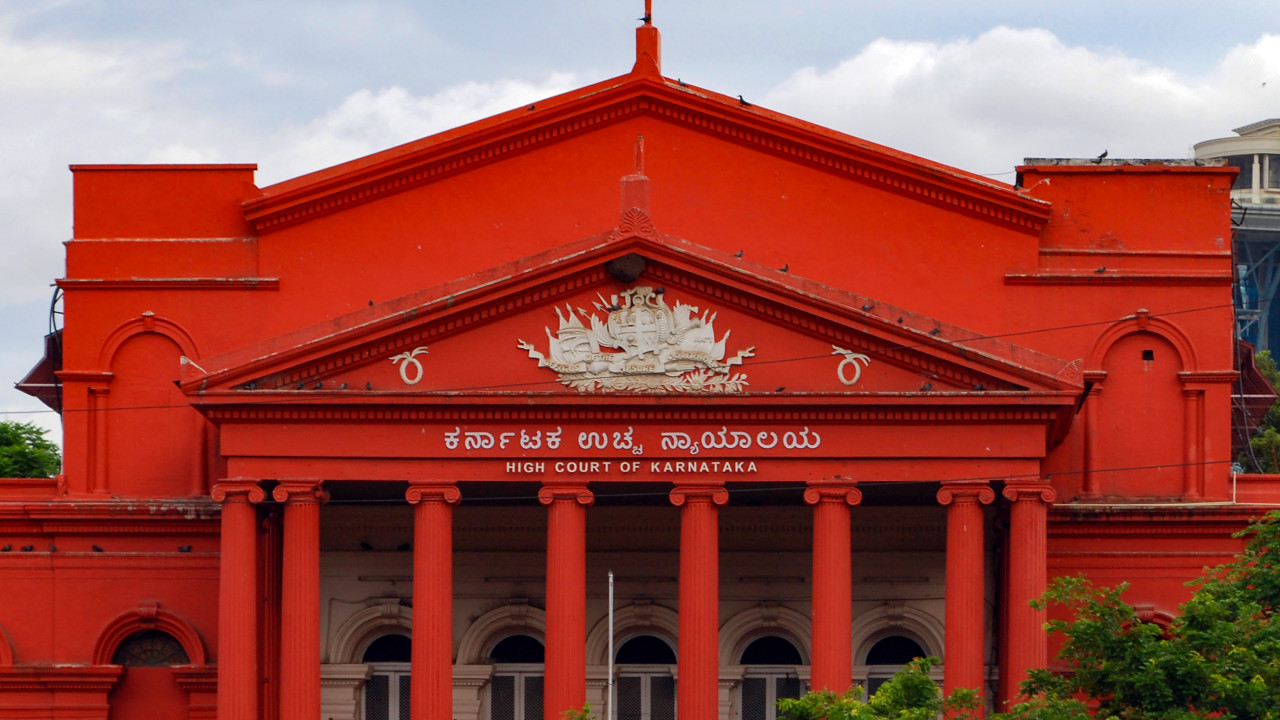
Supreme court
Supreme Court Upholds Maharashtra Government's Decision to Grant Quota to Marathas
The Supreme Court of India has upheld the Maharashtra government's decision to grant a 12% quota to the Maratha community in government jobs and education. The court observed that the decision was taken after considering the recommendations of the Backward Class Commission and was within the limits of the Constitution. The court also noted that the quota was not exceeding the 50% limit set by the Supreme Court in the Indra Sawhney case. The petitioners had challenged the decision, arguing that it was unconstitutional and would affect the rights of other backward classes. The court, however, rejected their arguments, stating that the decision was taken to promote social and economic equality. The judgment is significant as it upholds the government's efforts to promote social justice and equality. The court also emphasized the importance of affirmative action in promoting the rights of marginalized communities. The judgment is expected to have far-reaching implications for the Maratha community and other backward classes in the state. The court's decision has been welcomed by the Maharashtra government and the Maratha community, who see it as a major victory. However, the judgment has also been criticized by some who argue that it may lead to further fragmentation of society and undermine the rights of other communities. The Supreme Court's judgment is a significant development in the ongoing debate over reservations and affirmative action in India. The court's emphasis on the importance of promoting social and economic equality is likely to have a major impact on the country's social and economic policies. The judgment is also expected to influence the decisions of other state governments and the central government on the issue of reservations and affirmative action. Overall, the Supreme Court's judgment is a significant step forward in promoting social justice and equality in India.